




What's Happening?
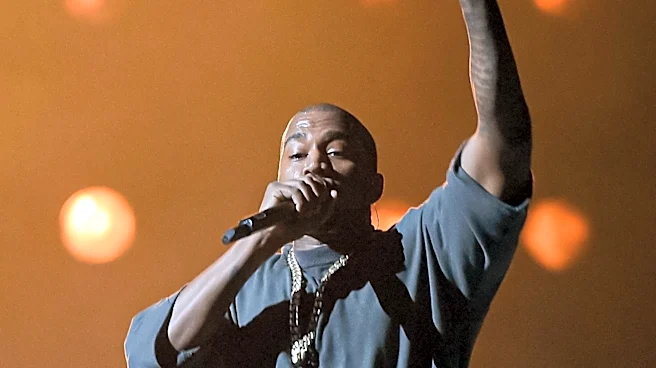
Kanye West, also known as Ye, is facing a new lawsuit from opera musician Chase Taylor. Taylor alleges that West recruited him for a starring role in the biblical opera 'Nebuchadnezzar' but, upon arrival in Wyoming, he was taken to Cody High School, ushered
into a band room, and locked inside. According to the complaint, Taylor discovered the opera was far from finished and was expected to compose much of the music and make the production 'performance-ready in just four days.' Taylor claims he was promised lucrative future work and producer credits that never materialized. He further alleges that West incorporated his compositions and arrangements into commercially released songs, including 'Telekinesis' by Travis Scott and several tracks from 'Vultures 2,' without his permission or compensation. The lawsuit, filed in federal court in North Carolina, seeks a court declaration recognizing Taylor’s copyright ownership, a share of profits from the allegedly infringing songs, and damages for alleged fraud, false imprisonment, and unfair business practices. This follows a similar lawsuit by musician Willie Alexander and a $1.35 million settlement for other performers involved in the 2019 'Nebuchadnezzar' production.
Why It's Important?
This lawsuit highlights significant issues within the entertainment industry concerning artist compensation, intellectual property rights, and labor practices, particularly for those working on high-profile projects. The allegations of false imprisonment and uncompensated work, if proven, could set a precedent for how artists are contracted and treated, especially in collaborative and rapidly evolving creative environments. For musicians and composers, the case underscores the importance of clear contractual agreements and intellectual property protection. The claim that Taylor's compositions were used in commercially released songs without credit or payment raises questions about copyright infringement and the potential for exploitation of creative contributions. The ongoing legal challenges against Kanye West regarding the 'Nebuchadnezzar' production could influence future practices in large-scale artistic collaborations, potentially leading to stricter oversight and more transparent agreements to protect contributing artists.
What's Next?
The lawsuit filed by Chase Taylor will proceed in federal court in North Carolina, seeking a court declaration of copyright ownership, a share of profits, and damages. Attempts to reach a lawyer or spokesperson for Ye were not immediately successful. This case is one of several legal challenges related to the 'Nebuchadnezzar' opera; a similar lawsuit by musician Willie Alexander is pending in Los Angeles County Superior Court, with a mandatory settlement conference scheduled for January 12, 2027. Additionally, a hearing to review the status of a $1.35 million class-action settlement for other performers involved in the 2019 production is scheduled for December 8. The outcomes of these legal proceedings could have implications for how future artistic projects involving multiple contributors are managed and how intellectual property and labor rights are protected in the music and entertainment industries.
Beyond the Headlines
The allegations in Chase Taylor's lawsuit against Kanye West extend beyond typical contractual disputes, touching upon ethical considerations of artist treatment and the power dynamics within the music industry. The claim of being 'locked inside' a high school band room to compose under duress raises serious questions about labor conditions and the potential for exploitation, particularly when dealing with emerging artists or those eager for a breakthrough opportunity. Furthermore, the assertion that the operas were presented as charitable religious productions with proceeds intended to 'save souls,' while tickets were charged and profits allegedly pocketed, introduces a dimension of alleged deceptive practices. This aspect could lead to broader scrutiny of how artistic projects with purported charitable or religious aims are structured and whether they genuinely adhere to those principles. The case could prompt a re-evaluation of industry standards for artist collaboration, intellectual property attribution, and the ethical responsibilities of prominent figures in their dealings with creative talent.