







What's Happening?
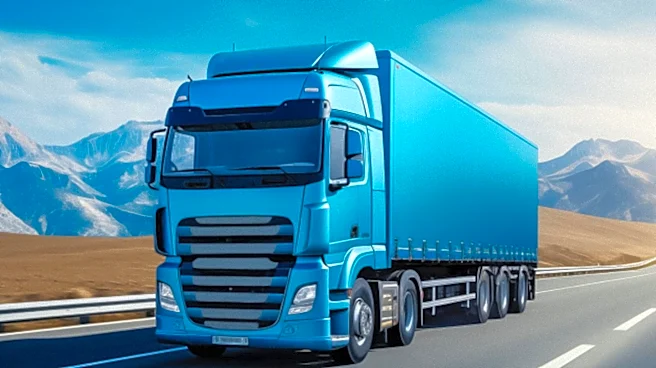
Recent data from FTR and ACT Research indicates a significant increase in Class 8 truck orders for June. FTR reported that preliminary net orders reached 30,500 units, marking a 16% increase over May and a 241% rise annually. This surge is attributed
to a weak comparison base from the previous year. The orders are also 68% above the 10-year June average, making it the second-largest June total since tracking began. ACT Research reported similar findings, with 31,400 units ordered, reflecting a 231% annual increase. The demand is driven by replacement needs, higher freight rates, and tighter capacity. The trucking industry is experiencing a recovery, supported by these factors, as well as the anticipation of EPA 2027 NOx regulations.
Why It's Important?
The increase in Class 8 truck orders highlights a robust recovery in the trucking industry, which is crucial for the U.S. economy. The surge in orders suggests that trucking companies are optimistic about future demand and are investing in fleet expansion. This trend is supported by rising freight rates and increased utilization, indicating a healthy market. However, the industry faces challenges such as limited build slot availability for 2026 and potential policy changes related to EPA regulations and USMCA. These factors could impact fleet timing and production schedules, affecting the broader supply chain and logistics sectors.
What's Next?
As the trucking industry moves from an order-driven phase to a capacity-allocation phase, the focus will shift to managing the 2026 backlog and preparing for 2027. Policy developments, particularly regarding EPA regulations and USMCA, will play a significant role in shaping fleet strategies. The potential introduction of non-conformance penalties (NCPs) could influence OEMs' decisions on production timing. Additionally, any changes to USMCA could affect North American content costs, adding uncertainty to the market. Stakeholders will need to navigate these challenges to maintain momentum in the trucking sector.