


What's Happening?
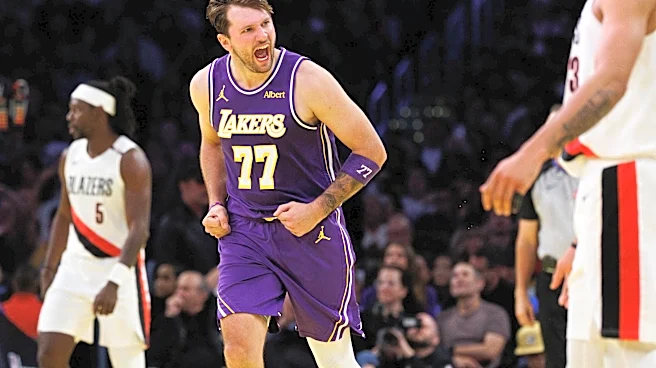
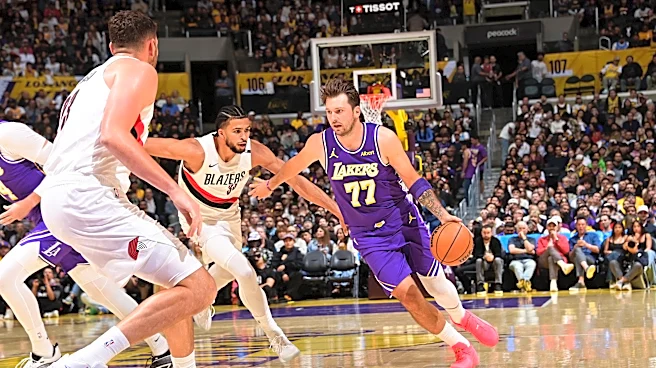
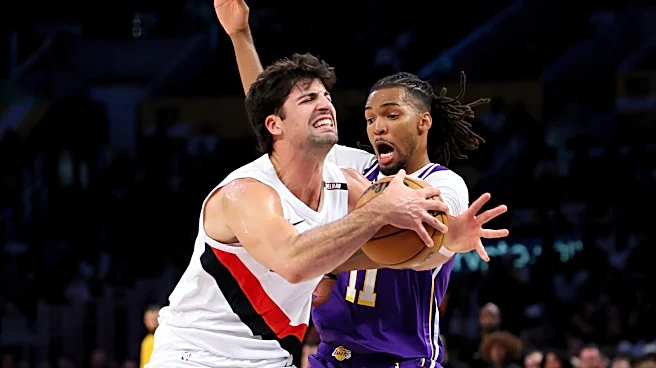
Following a recent NBA game where the Los Angeles Lakers defeated the Portland Trail Blazers 124-118, an incident occurred involving Trail Blazers player Robert Williams III and a Lakers official. Williams attempted to secure the game ball to present
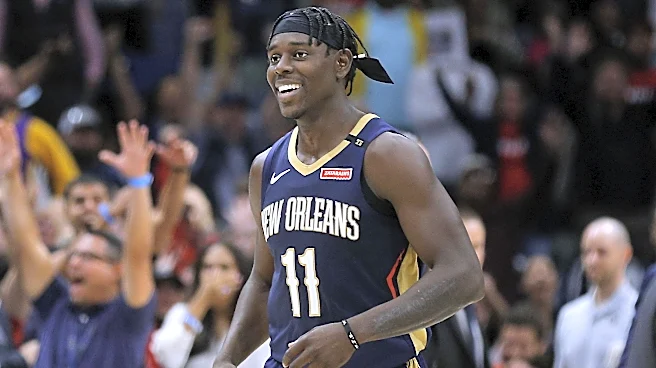
to his teammate, Jrue Holiday, who had just surpassed Steve Nash to become one of the top 100 all-time scorers in the NBA. According to Jason Quick of The Athletic, Williams was stopped by a Lakers staff member who stated that the ball needed to be returned to the NBA. Williams, who reportedly did not realize the protocol for returning game balls, ultimately complied. Despite the gesture being unsuccessful, Williams indicated that Holiday might not have even been aware of his scoring milestone at the time. Holiday finished the game with 12 points, contributing to his career total of 17,493.
Why It's Important?
This event underscores the tension between established league procedures and the spontaneous acts of sportsmanship and recognition among teammates. For players, commemorating significant milestones with a tangible item like a game ball is a cherished tradition that reinforces team bonds and acknowledges individual achievements. Jrue Holiday's entry into the NBA's top 100 scorers is a notable accomplishment, particularly for a player whose reputation is built on defense and unselfish play. The Lakers official's adherence to protocol, while potentially standard, prevented a moment of personal recognition for Holiday and his teammate. This incident could lead to a reevaluation of how such situations are handled, potentially prompting the league to consider more flexible guidelines for game ball retention when significant milestones are achieved, balancing official procedures with the human element of sports.
What's Next?
The immediate aftermath of this incident is unlikely to result in formal disciplinary action, as the Lakers official was reportedly following established procedures. However, the event may serve as a catalyst for informal discussions within the NBA and among teams regarding the best practices for celebrating player milestones. It could encourage teams to proactively communicate with league officials about plans to commemorate achievements, ensuring that players can receive their milestone game balls without incident. This situation also highlights the importance of players being aware of league protocols, as Williams admitted he should have known better. Ultimately, while the specific game ball may not reach Holiday, the story itself brings attention to his significant career achievement and the respect he commands from his teammates.
Beyond the Headlines
The incident offers a glimpse into the often-unseen operational side of professional sports, where strict rules govern even seemingly minor details like game equipment. It also touches on the broader theme of how individual achievements are recognized and celebrated in a team-oriented environment. For a player like Jrue Holiday, whose contributions are often understated, a physical memento like a game ball can serve as a powerful symbol of his career longevity and impact. The denial of this gesture, even if procedural, can inadvertently diminish the significance of the milestone in the public eye. This situation could spark a wider conversation about the balance between maintaining order through strict rules and allowing for moments of genuine human connection and celebration within the highly regulated world of professional sports.