







What's Happening?
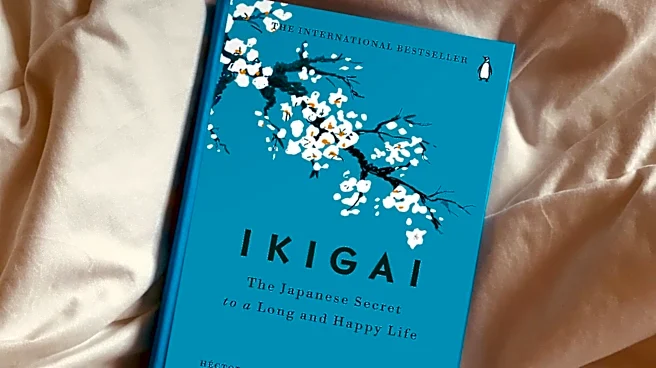
Research into Japanese longevity consistently highlights the concept of 'ikigai,' which translates to 'what makes getting up worth it,' as a significant factor in the well-being and extended lifespans of older individuals. Unlike Western interpretations
that often frame 'ikigai' as a grand, lucrative life purpose, the Japanese understanding is more grounded in daily, smaller reasons for living, such as caring for a grandchild, tending a garden, or assisting a neighbor. Studies, including the Ohsaki study which followed 43,391 adults for seven years, found that individuals reporting no 'ikigai' faced approximately 1.5 times higher risk of death from any cause, particularly cardiovascular disease. A broader meta-analysis involving 136,265 people indicated that a strong sense of purpose was associated with a 17% lower risk of death and cardiac events. This suggests that having a consistent, active role or obligation, even a minor one, contributes significantly to health and longevity.
Why It's Important?
The emphasis on 'ikigai' offers a crucial perspective for U.S. society, which often prioritizes efficiency and productivity, potentially overlooking the value of sustained engagement and purpose in later life. The findings suggest that removing seemingly inefficient daily tasks or responsibilities from older adults, while well-intentioned, might inadvertently diminish their sense of purpose and negatively impact their health. For instance, the article recounts a personal anecdote where a great-aunt's daily trip to the market, though time-consuming, provided her with a job, a routine, a social circle, and a reason to engage with the world. When this errand was replaced by a delivery service, her daily structure and engagement collapsed. This highlights a potential societal blind spot in the U.S. regarding the holistic needs of its aging population, where convenience might be prioritized over the psychological and social benefits of active participation.
What's Next?
The insights from 'ikigai' research could inform new approaches to elder care and community planning in the U.S. Instead of solely focusing on physical health and safety, there could be a greater emphasis on fostering environments that encourage older adults to maintain active roles and responsibilities. This might involve creating more opportunities for community involvement, supporting intergenerational programs, or even re-evaluating the benefits of seemingly 'inefficient' daily routines. Policymakers and healthcare providers could explore initiatives that help older individuals identify and sustain their personal 'ikigai,' recognizing that a sense of purpose is not merely a 'wellness hack' but a fundamental component of healthy aging. Businesses catering to seniors might also consider offering services that facilitate continued engagement rather than just passive consumption.
Beyond the Headlines
The concept of 'ikigai' challenges the prevailing Western narrative of retirement as a complete cessation of work and responsibility. In Okinawa, for example, there is no traditional word for retirement, and older individuals continue to engage in activities they have always done, such as gardening or community organizing. This suggests a deeper cultural difference in how aging is perceived and integrated into society. The research indicates that being useful and having an active role, even within a group, significantly reduces the risk of functional disability and dementia onset. This goes beyond mere social interaction, pointing to the cognitive and emotional benefits of sustained contribution. The U.S. could benefit from a cultural shift that values the ongoing contributions of its older citizens, moving away from a model that often isolates them from active societal roles, and instead fostering environments where their wisdom and experience remain integral.