


What's Happening?
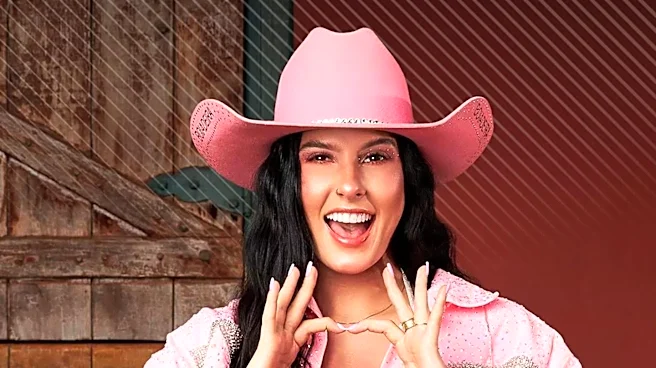
Ana Castela, a 22-year-old singer, has undergone a significant physical transformation over the past year and a half, gaining approximately 5 kg of lean muscle mass and developing more defined muscles, particularly in her arms, shoulders, and back. Her
personal trainer, André Perez, revealed in an interview with gshow that this evolution is the result of frequent training sessions, proper nutrition, and supplementation. Initially, Castela trained up to seven times a week, a frequency that has since been reduced due to her demanding show schedule, though the intensity of her workouts has increased. Perez outlined her current training split, which includes dedicated days for upper body, quadriceps and adductors, and glutes, hamstrings, and calves. He also addressed speculation regarding anabolic steroid use, firmly denying it and explaining that such substances could harm her voice. The trainer emphasized that Castela's progress is a result of consistent effort and natural supplementation like whey protein, creatine, and amino acids.
Why It's Important?
This story highlights the growing emphasis on fitness and body transformation within the entertainment industry, showcasing the dedication required to achieve significant physical changes. For the fitness industry, it underscores the role of personal trainers in guiding clients through intensive regimens and the importance of a holistic approach that combines exercise, nutrition, and appropriate supplementation. The public discussion around Castela's transformation, including the debunking of steroid use rumors, also serves to educate individuals on realistic expectations for muscle gain and the potential health risks associated with performance-enhancing drugs, particularly for vocalists. This narrative can influence public perception of fitness goals, promoting a more natural and sustainable approach to body sculpting, while also demonstrating the impact of professional guidance in achieving desired physical outcomes.
What's Next?
Ana Castela's current fitness objective is to increase volume and definition in her legs and glutes. According to André Perez, this area may require more focused effort due to her naturally long legs, which can make muscle development appear more challenging. The training regimen will continue to prioritize these areas to achieve her new goals. Additionally, Castela has reduced her consumption of alcohol and sweets, though not entirely, maintaining a balanced approach to her diet. This ongoing commitment to fitness, coupled with a disciplined lifestyle, suggests a continued evolution in her physical appearance and overall well-being. Her journey may inspire others to pursue similar fitness goals, potentially leading to increased interest in personal training services and healthy lifestyle choices.
Beyond the Headlines
Beyond the immediate physical transformation, Ana Castela's journey touches upon broader societal perceptions of female physique and the pressures faced by public figures. The initial reluctance she expressed about developing large arms, a common concern among women, highlights prevailing beauty standards. Perez's guidance in overcoming this preconception and focusing on overall body development speaks to a shift towards appreciating strength and definition. The public's speculation about steroid use also reflects a common misunderstanding of the effort and consistency required for natural muscle gain, underscoring the need for greater education on fitness and physiology. This narrative contributes to a larger conversation about body image, realistic fitness expectations, and the role of professional support in achieving health and aesthetic goals in a sustainable manner.