








What's Happening?
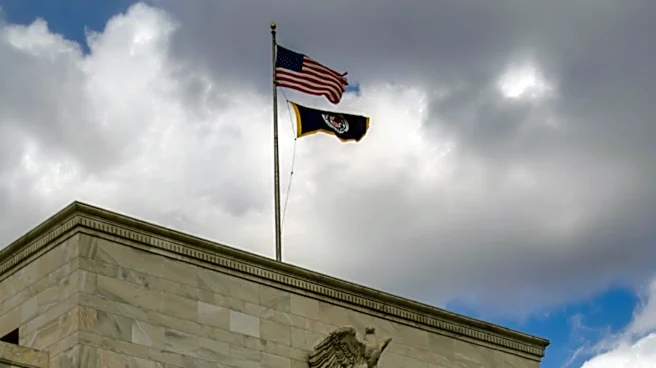
The average long-term U.S. mortgage rate has increased to 6.55%, marking its highest level in nearly a year, according to Freddie Mac. This rise in the 30-year fixed-rate mortgage from 6.49% last week is attributed to various factors, including the Federal
Reserve's interest rate policies and bond market expectations. The increase in mortgage rates is linked to the ongoing conflict with Iran, which has driven up crude oil prices and inflation expectations, subsequently affecting long-term bond yields. The 10-year Treasury yield, a key indicator for mortgage pricing, rose to 4.57% from 4.54% the previous week. This trend has resulted in higher borrowing costs for homebuyers, limiting their purchasing power amid existing affordability challenges.
Why It's Important?
The rise in mortgage rates has significant implications for the U.S. housing market and economy. Higher rates increase monthly mortgage payments, making homeownership less affordable for many Americans. This can lead to a slowdown in home sales, as evidenced by a 5.4% decline in pending home sales in June. The increased cost of borrowing may deter potential buyers, affecting the real estate market's overall health. Additionally, the Federal Reserve's interest rate decisions, influenced by inflation and economic conditions, play a crucial role in shaping mortgage rates. As rates continue to rise, the housing market may face further challenges, impacting economic growth and consumer spending.
What's Next?
The future trajectory of mortgage rates will depend on several factors, including the Federal Reserve's monetary policy and global economic conditions. If inflation pressures persist, the Fed may continue to raise interest rates, potentially leading to further increases in mortgage rates. This could exacerbate affordability issues and slow down the housing market. Conversely, if inflation cools, there may be less pressure on the Fed to raise rates, which could stabilize or lower mortgage rates. Stakeholders, including homebuyers, real estate professionals, and policymakers, will closely monitor these developments to assess their impact on the housing market and broader economy.