




What's Happening?
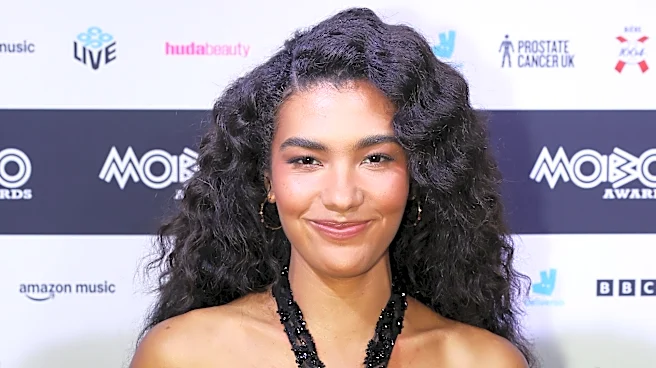
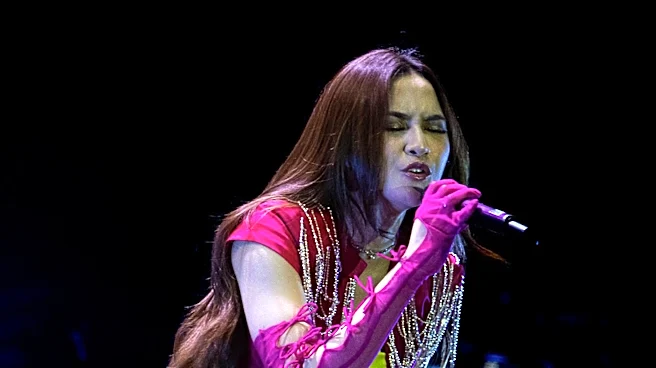
Female artists are significantly reshaping pop music by prioritizing honesty, vulnerability, and individuality in their work. This shift is evident in the exploration of complex emotions related to growing up, relationships, and self-discovery by artists like
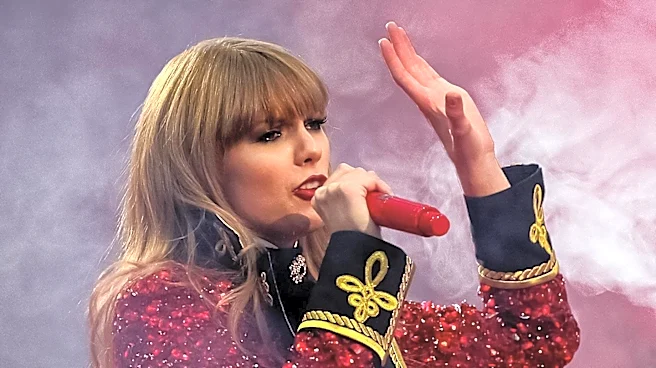
Olivia Rodrigo, Billie Eilish, Gracie Abrams, and SZA. These artists are challenging traditional expectations for women in pop, embracing diverse aesthetics from bold fashion and theatrical performances to stripped-back, raw approaches. The current generation of female pop stars, including Taylor Swift, Sabrina Carpenter, and Chappell Roan, are not only achieving massive commercial success but also influencing fashion, social media, and fan community building, demonstrating that there is no single mold for a successful female pop artist.
Why It's Important?
This evolution in pop music, driven by female artists, holds significant cultural importance. By openly addressing themes of insecurity, loneliness, and personal growth, these artists create relatable content that resonates deeply with audiences, particularly young women. This fosters a sense of validation and encourages listeners to embrace their own complex emotions. The rejection of a singular image for female pop stars promotes diversity and authenticity, challenging long-standing industry standards and expanding the definition of empowerment. This movement also highlights the increasing influence of artists in shaping broader cultural trends, from fashion to social media engagement, and demonstrates how music can serve as a powerful tool for self-expression and community building.
What's Next?
The trajectory set by these female artists suggests a continued push for greater authenticity and diversity within pop music. Future trends may see even more varied expressions of identity and emotion, further breaking down genre barriers and traditional expectations. The emphasis on vulnerability and personal storytelling is likely to encourage new artists to explore their own unique experiences, leading to a richer and more nuanced musical landscape. Additionally, the growing cultural influence of these artists beyond music, into areas like fashion and social media, indicates that they will continue to be significant trendsetters. This could also lead to increased discussions about artistic control and representation within the music industry, as artists leverage their platforms to advocate for change.
Beyond the Headlines
Beyond the immediate impact on music charts and cultural trends, the rise of honest and individualistic female pop artists reflects a broader societal shift towards valuing authenticity and challenging conventional norms. This movement in pop music can be seen as a mirror to evolving conversations around gender roles, self-acceptance, and mental health in society. The ability of artists to connect with listeners through shared emotional experiences fosters empathy and understanding, contributing to a more inclusive cultural dialogue. Furthermore, the diverse approaches to empowerment demonstrated by these artists—whether through career control, embracing sexuality, or speaking openly about experiences—underscore the multifaceted nature of modern feminism and its impact on popular culture.