



What's Happening?
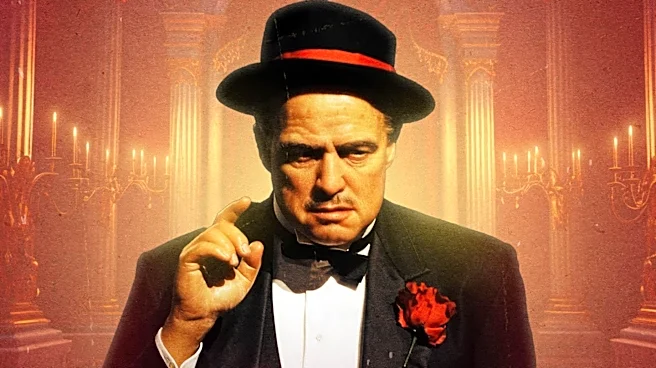
In the early 1970s, the production of 'The Godfather' by Paramount Pictures faced significant pressure from the mafia, particularly the Italian-American Civil Rights League led by Joe Colombo. The mafia was concerned about the portrayal of Italian-Americans
as organized crime members. Producer Albert S. Ruddy and director Francis Ford Coppola had to negotiate with real-life mob bosses to ensure the film's production could proceed. The mafia employed aggressive tactics, including death threats and property destruction, to halt the film. A compromise was reached where Paramount agreed to donate proceeds from the New York premiere to the League's hospital fund and remove the words 'Mafia' and 'Cosa Nostra' from the script. This agreement allowed the film to continue production, with the mafia even assisting in logistical aspects like securing permits and maintaining order on set.
Why It's Important?
The interference of the mafia in the production of 'The Godfather' highlights the complex relationship between organized crime and media portrayals. This incident underscores the influence that organized crime had on cultural productions during that era. The successful negotiation and eventual production of the film marked a significant moment in Hollywood history, demonstrating the power of negotiation and compromise in overcoming external pressures. The film's release and subsequent success also contributed to the cultural understanding and depiction of organized crime in America, influencing both public perception and future media portrayals.