





What's Happening?
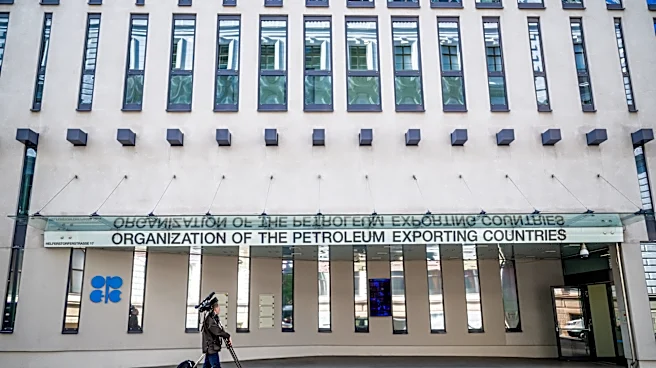
The International Energy Agency (IEA), the International Energy Forum (IEF), and the Organization of the Petroleum Exporting Countries (OPEC) held a joint technical workshop to discuss the security of maritime energy flows, shipping, and insurance. This
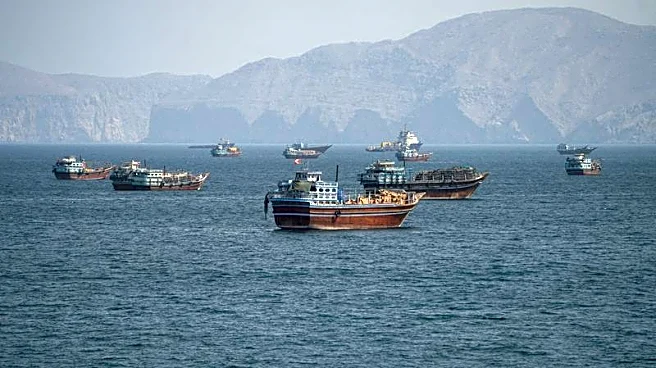
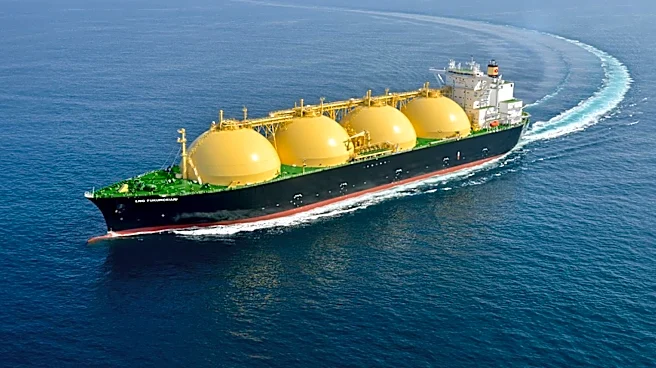
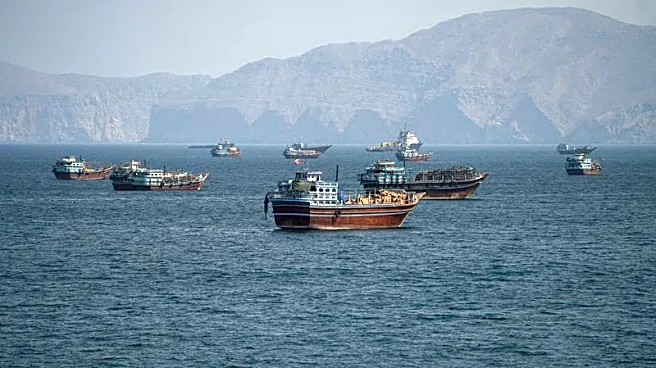
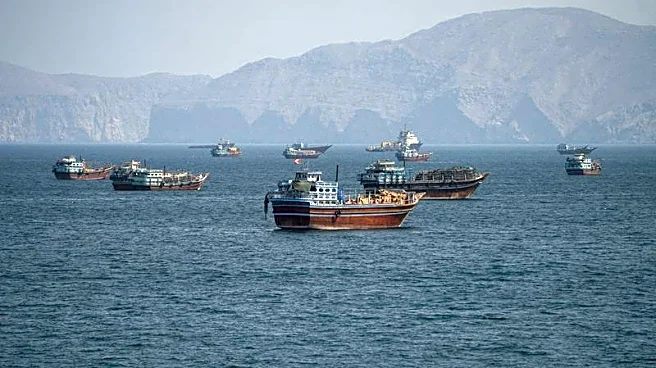
meeting, titled 'Joint IEA-IEF-OPEC Technical Workshop on the Security of Energy Flows: Maritime Routes and Market Stability,' brought together key stakeholders and industry experts. The workshop was initiated following a request from ministers at the Declaration of Cooperation (DoC) consultation meeting in Riyadh on October 12, 2026, where concerns were raised about uninterrupted energy flows and elevated shipping and insurance costs. OPEC Secretary General HE Haitham Al Ghais highlighted that shipping and insurance costs in 2026 have significantly increased, now representing over one-third of the underlying value of crude oil. IEA Executive Director HE Dr. Fatih Birol emphasized the unprecedented crisis in energy markets affecting oil and gas production and transportation, stressing the need to safeguard maritime navigation. IEF Secretary General HE Eng. Jassim Alshirawi underscored the importance of safe maritime passage for energy security and market stability.
Why It's Important?
The discussions at this workshop are crucial for global energy security and economic stability, directly impacting U.S. industries and consumers. The significant rise in shipping and insurance costs for crude oil, now accounting for approximately 30% of the total commodity cost, translates into higher landed costs for importing countries, including the U.S. This increase is passed along the entire oil and energy value chains, from refiners to distributors and ultimately to end consumers, contributing to inflationary pressures on the global economy. For U.S. businesses involved in procurement, trading, and distribution of oil, monitoring crude prices alone is no longer sufficient; freight and insurance costs have become critical factors in purchasing decisions. Disruptions to maritime energy flows can lead to increased energy, food, and transport costs, affecting various sectors and potentially slowing economic growth. The collaborative effort by these major energy organizations aims to identify solutions to these challenges, which could help stabilize global oil markets and mitigate adverse economic impacts on the U.S.
What's Next?
The workshop aims to identify possible solutions to the challenges facing both producers and consumers in relation to current maritime trade. Continued engagement among the IEA, IEF, and OPEC, along with other international partners, is expected to foster greater dialogue and data transparency. This collaboration is intended to restore confidence, support investment, and build more resilient global energy markets. Future actions may include coordinated efforts to address the root causes of elevated shipping and insurance costs, potentially through policy recommendations or industry best practices. Stakeholders, including political leaders, energy companies, and shipping insurers, will likely monitor the outcomes of these discussions for guidance on navigating the complex landscape of maritime energy transportation. The ongoing commitment to safeguarding freedom of maritime navigation will remain a central focus, with potential for further technical workshops or ministerial consultations to implement agreed-upon strategies.
Beyond the Headlines
The dramatic increase in the cost of moving crude oil highlights deeper vulnerabilities within the global supply chain and the interconnectedness of geopolitical events with economic stability. Beyond the immediate financial impact, these rising costs could accelerate shifts in global energy trade routes and logistics strategies. Companies may explore alternative transportation methods or diversify their sourcing to mitigate risks associated with specific maritime chokepoints. Furthermore, the emphasis on safeguarding maritime navigation underscores the growing concerns about geopolitical tensions affecting critical trade arteries. This situation could also spur innovation in marine insurance and shipping security, leading to new risk assessment models and technological solutions. The long-term implications might include a re-evaluation of global energy infrastructure investments, with a greater focus on resilience and redundancy to withstand future disruptions, ultimately influencing energy policy and strategic reserves in countries like the U.S.