

What's Happening?
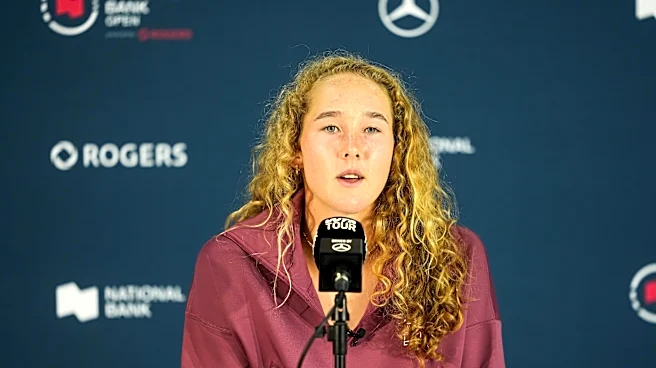
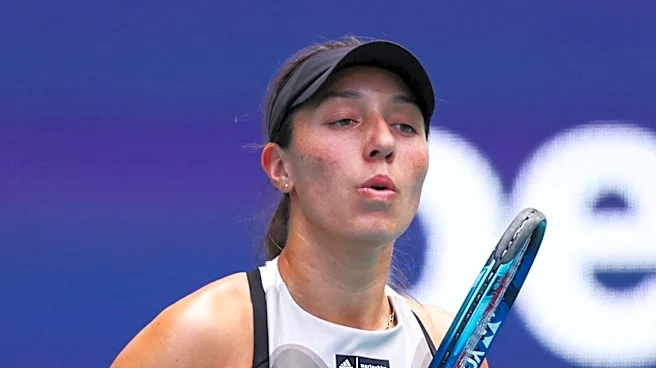
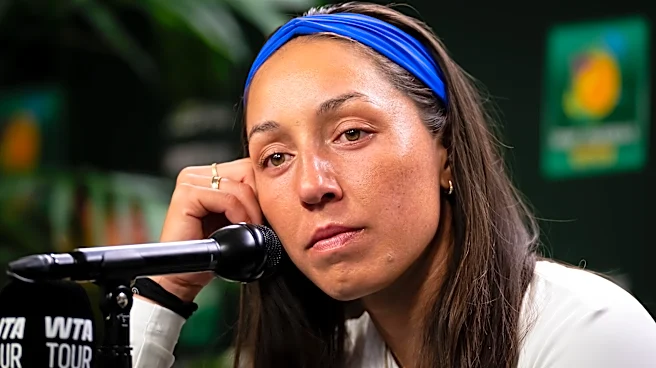
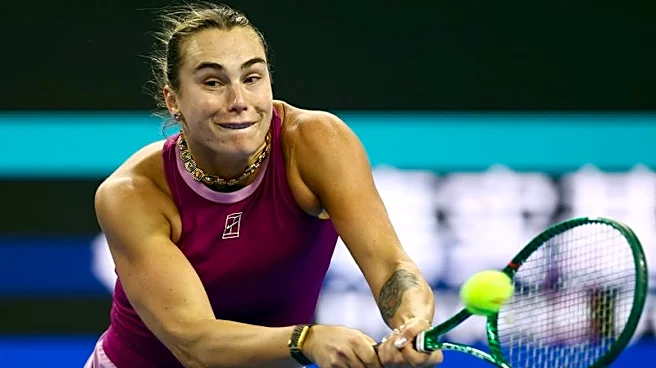
The traditional group photo of the eight singles qualifiers at the WTA Finals has been discontinued this year, reportedly due to Ukrainian player Elina Svitolina's refusal to pose with Russian and Belarusian players, specifically Mirra Andreeva and Aryna
Sabalenka. The year-end championship, which runs from November 8 to November 15 in Indian Wells, typically features all qualifiers gathered around the trophy for an official photo. However, the WTA instead released separate individual portraits of each player on November 6. While the WTA stated this was a 'fresh, personality-driven approach' to celebrate individuality, several reports from Russian and international tennis outlets, as well as tennis journalist Ben Rothenberg, indicate that a group photo was deemed impractical given Svitolina's consistent stance since Russia's full-scale invasion of Ukraine in February 2022. Svitolina has publicly refused to shake hands or take joint photos with Russian and Belarusian opponents, a position shared by several other Ukrainian players, reflecting her support for her country.
Why It's Important?
This development underscores the persistent impact of geopolitical conflicts on international sports, particularly within the women's tennis tour. The absence of a traditional group photo at a premier event like the WTA Finals highlights the deep divisions and tensions that continue to affect player interactions. For the WTA, navigating these sensitivities is crucial for maintaining the integrity and unity of the tour, while also respecting individual players' stances on significant global issues. The decision to opt for individual portraits, whether planned or reactive, reflects an attempt to mitigate potential public relations challenges and avoid creating an uncomfortable or confrontational environment among athletes. This situation also brings to light the personal sacrifices and political statements athletes make, often at the expense of traditional sporting courtesies, to express solidarity with their home countries.
What's Next?
The issue of player interactions, particularly handshakes, will continue to be a focal point at the WTA Finals, as Svitolina, Andreeva, and Sabalenka have been drawn into the same group. This means at least two matches in the round-robin stage will likely conclude without a handshake, a scenario the WTA has previously addressed by displaying scoreboard messages to inform crowds and prevent negative reactions. The tournament will proceed with individual player portraits, potentially setting a new precedent for future events if geopolitical tensions persist. The WTA will need to continue managing these sensitive situations carefully, balancing the need for fair play and sportsmanship with the recognition of players' rights to express their political and national sentiments. The long-term implications for player unity and the tour's image will depend on how these issues are handled moving forward.
Beyond the Headlines
The discontinuation of the WTA Finals group photo tradition due to geopolitical reasons reveals the complex interplay between sports, politics, and personal conviction. It challenges the notion of sports as an apolitical arena, demonstrating how global events can directly influence even the most seemingly innocuous traditions. This situation could lead to broader discussions about the role of athletes as political figures and the responsibilities of sports organizations to address or accommodate such stances. It also highlights the psychological and emotional toll on athletes who are caught between their professional careers and their national identities, particularly during times of conflict. The incident serves as a powerful reminder that sports, while often a source of unity, can also reflect and amplify the divisions present in the wider world.