





What's Happening?
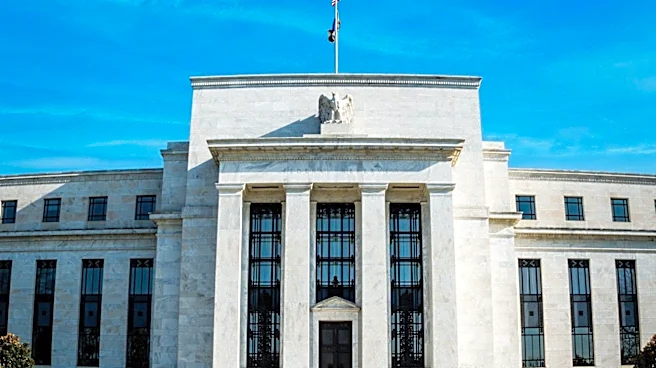
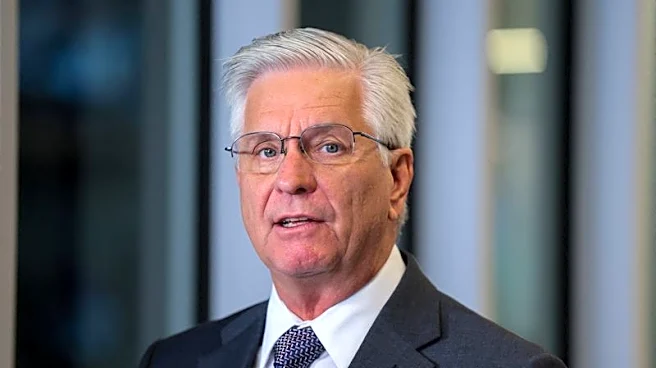
Federal Reserve Governor Waller emphasized the central bank's commitment to supporting responsible innovation within payment systems. Speaking at The Clearing House's annual conference, Waller highlighted the Fed's role in providing core payment and settlement
infrastructure, which allows market participants to build and innovate. He stressed the importance of monitoring risks to financial stability and engaging with the industry to understand market challenges. Waller noted the ongoing convergence between blockchain technologies and established financial markets, with various assets now being tokenized for use on blockchain networks. This shift is leading to increased competition and new solutions for consumers and businesses. He also discussed the critical need for trust and clear governance in new tokenized services to ensure their reliability and scalability, addressing concerns about accountability in automated transactions and the legal treatment of tokenized claims.
Why It's Important?
The Federal Reserve's focus on responsible innovation in payment systems is crucial for the evolution of the U.S. financial landscape. As new technologies like tokenization and blockchain gain traction, the Fed's proactive stance helps ensure that these advancements are integrated safely and efficiently. This approach aims to foster a competitive environment that benefits consumers and businesses through improved services and choices, while simultaneously mitigating potential risks to financial stability. The emphasis on trust and governance is particularly significant, as it addresses the inherent challenges of new, often decentralized, financial systems. By providing a reliable backbone through traditional rails and central bank money, the Fed seeks to create a secure foundation upon which innovative services can develop, thereby safeguarding the broader economy from systemic shocks and ensuring the integrity of financial transactions.
What's Next?
The Federal Reserve will continue its engagement with industry stakeholders, including those in traditional and decentralized finance, to foster innovation while maintaining financial stability. Governor Waller indicated that the market is in an early phase of experimentation and convergence between new and existing systems, suggesting ongoing developments in payment technologies. Future discussions will likely focus on how tokenization and blockchain-based systems will interact with artificial intelligence (AI) in payments and commerce, addressing shared questions of trust, standards, and network structures. The Fed will also explore how traditional payment rails can connect with and complement tokenized markets, ensuring flexible and safe transitions between various forms of money. This ongoing dialogue and collaboration between the Fed and industry participants will be essential for shaping the future of payment systems.
Beyond the Headlines
The integration of tokenization and blockchain into mainstream finance raises profound questions about the future of money and financial intermediation. The shift towards programmable financial trades and atomic settlement could fundamentally alter how transactions are conducted, potentially reducing settlement delays and counterparty risk. However, it also introduces new ethical and legal complexities, particularly concerning accountability in automated smart contracts and the legal identity and ownership rights of tokenized assets. The Fed's role as a convener and connector highlights the need for a balanced approach that encourages technological advancement while establishing robust regulatory frameworks. The long-term implications could include a more efficient, but also potentially more complex and interconnected, financial system, requiring continuous adaptation from regulators, businesses, and consumers alike.