



What's Happening?
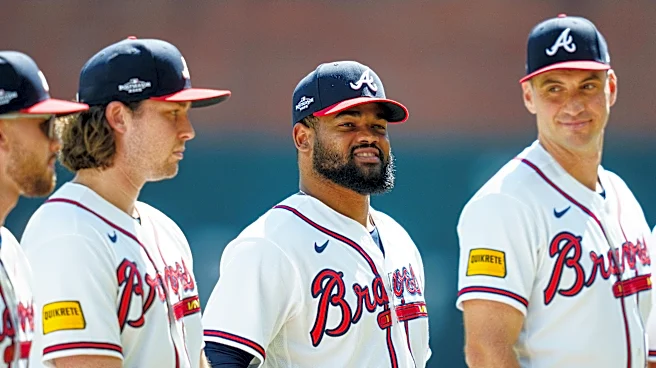
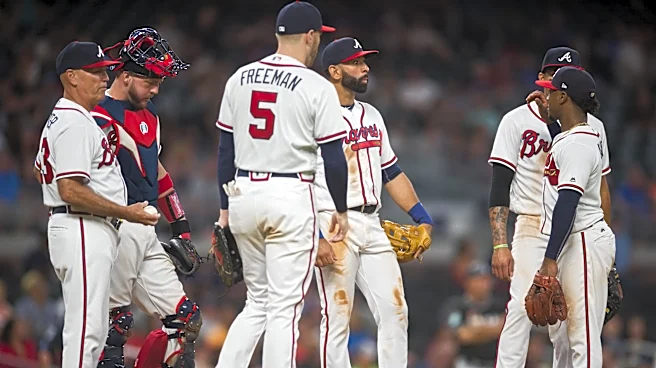
The Atlanta Braves made several significant roster moves on Major League Baseball's non-tender deadline. The club tendered contracts to pitchers Bryce Elder and Dylan Lee, as well as Joey Wentz and Mitchell Parker. These decisions secure their places
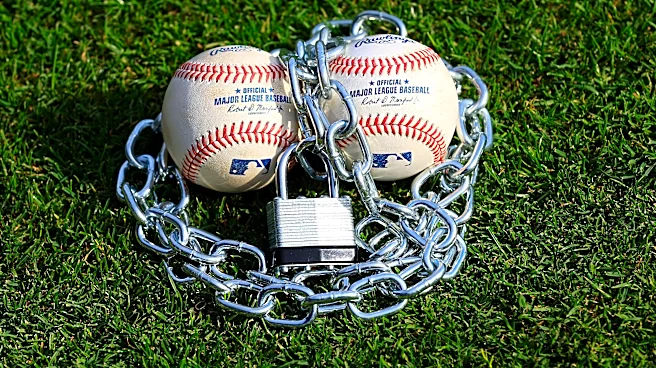
on the team for the upcoming season. Conversely, the Braves non-tendered two right-handed pitchers, James Karinchak and Michael Grove, who are now free agents. This move creates additional roster flexibility for Atlanta as they aim to strengthen their bullpen ahead of the offseason. The team faces strategic decisions as a potential lockout looms, which could impact opportunities for further roster adjustments for the 2027 season.
Why It's Important?
These roster decisions are crucial for the Atlanta Braves as they shape their team for the 2027 season, particularly in light of the looming lockout. By tendering contracts to key players like Bryce Elder and Dylan Lee, the Braves are investing in their pitching depth and maintaining continuity. The non-tendering of James Karinchak and Michael Grove, while releasing talent, provides the team with valuable roster spots and financial flexibility. This allows the Braves to pursue other free agents or make trades to address specific needs, especially in the bullpen. The strategic timing of these moves, just before a potential lockout, underscores the urgency for teams to finalize their rosters and secure talent before a period of restricted transactions. These actions directly impact the team's competitive outlook and financial planning for the upcoming year.
What's Next?
Following the non-tender deadline, the Atlanta Braves will now focus on further strengthening their roster through free agency and potential trades. With James Karinchak and Michael Grove entering free agency, the Braves have two additional spots to utilize, likely targeting bullpen reinforcements. The looming lockout in Major League Baseball could significantly impact the team's ability to make further moves, potentially limiting the window for acquisitions. Therefore, the Braves' front office will likely accelerate efforts to identify and secure talent before any potential work stoppage. The team's performance in the upcoming season will heavily depend on the success of these strategic roster adjustments and their ability to navigate the uncertain labor landscape.
Beyond the Headlines
The non-tender deadline decisions by the Atlanta Braves highlight the intricate balance between player valuation, roster construction, and financial strategy in professional baseball. The choice to non-tender players like Karinchak and Grove reflects a calculated assessment of their future contributions versus their projected arbitration salaries. This practice, common across MLB, allows teams to shed players who may not fit their long-term plans or whose salary demands exceed their perceived value. The broader implication is the continuous churn of talent in the league, where players constantly seek new opportunities and teams strive for optimal roster efficiency. This dynamic also underscores the impact of collective bargaining agreements and potential lockouts on player movement and team building, adding a layer of complexity to offseason planning.