





What's Happening?
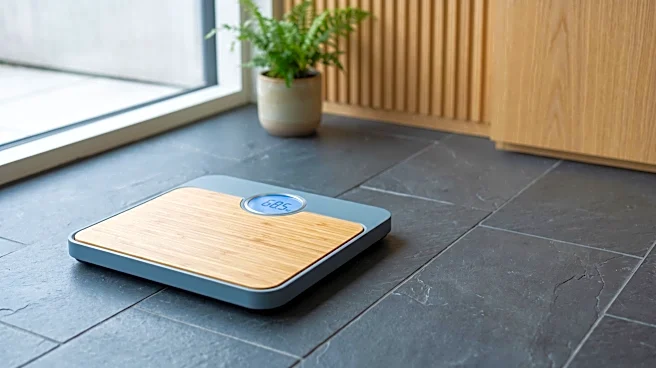
My Track Record has launched a new online tool, a sweat rate calculator, designed to help athletes determine their individual sweat loss during exercise. This browser-based tool allows users to input their weight before and after a workout, along with
the amount of fluids consumed during the session, to calculate their hourly sweat rate. The calculator is based on recommendations from the American College of Sports Medicine (ACSM) and a 2019 expert panel, which suggest that individual sweat rates can be estimated by comparing body weight changes. The primary goal is to assist athletes in planning appropriate hydration strategies to avoid dehydration, specifically recommending against losing more than 2-3% of body weight due to fluid loss. Users are advised to urinate before the initial weigh-in and weigh themselves again before using the bathroom post-workout to ensure accurate measurements of fluid loss solely from sweat.
Why It's Important?
This tool is important for U.S. athletes and fitness enthusiasts as it provides a practical, accessible method for personalized hydration planning. Dehydration can significantly impair athletic performance and pose health risks, making accurate fluid replacement crucial. By understanding their individual sweat rates, athletes can tailor their fluid intake during training and competition, optimizing performance and safeguarding their health. This is particularly relevant for endurance sports and activities in varying environmental conditions, where sweat rates can differ substantially. The calculator's reliance on established sports science guidelines from organizations like the ACSM lends credibility to its utility, offering a data-driven approach to a fundamental aspect of athletic well-being. For coaches and trainers, it offers a simple yet effective way to educate athletes on proper hydration without requiring specialized equipment.
What's Next?
The immediate next step for users is to integrate this calculator into their training routines to establish their personal sweat rate profiles under different conditions. Athletes can use this information to develop more precise hydration plans for various types of workouts, races, or games. The tool's design, which runs in the browser and saves no data, emphasizes user privacy and ease of access, encouraging widespread adoption. Future developments might include integrations with other fitness tracking platforms or mobile applications to streamline data input and analysis, further enhancing its utility for a broader athletic community. Continued education on the importance of hydration, supported by such tools, will likely remain a focus for sports science and health organizations.
Beyond the Headlines
Beyond its immediate practical application, the sweat rate calculator highlights a broader trend in sports and fitness: the increasing personalization of training and health strategies. As technology advances, athletes are moving away from one-size-fits-all recommendations towards data-driven, individualized approaches. This tool underscores the scientific understanding that physiological responses, such as sweat rates, vary significantly among individuals, necessitating tailored interventions. It also subtly promotes a greater awareness of bodily functions and the importance of scientific principles in optimizing human performance. The emphasis on avoiding excessive dehydration, as recommended by leading sports medicine bodies, reinforces best practices in athlete welfare and health, potentially influencing how hydration is taught and managed across all levels of U.S. sports.