




What's Happening?
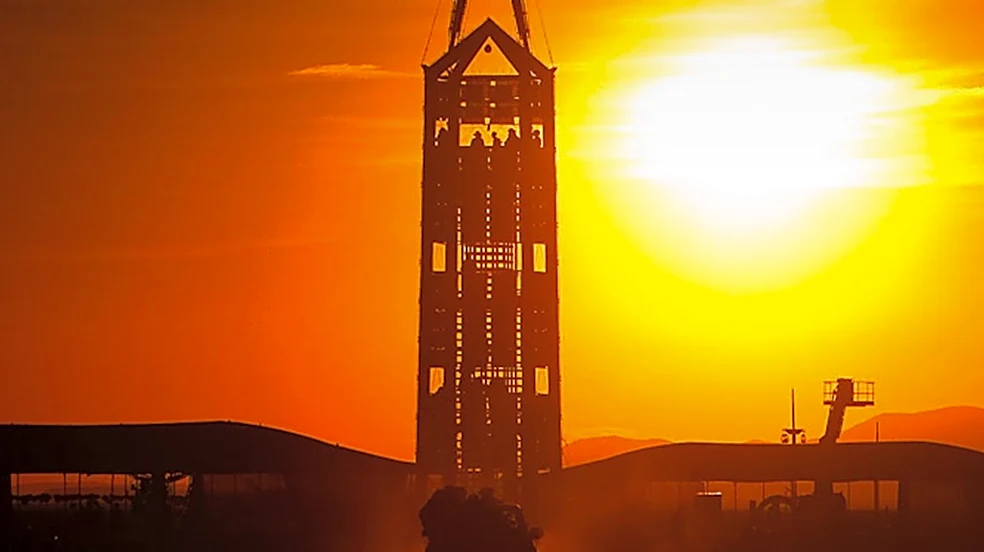
Burning Man has unveiled the design for its 2027 Temple, named 'The Temple,' created by architect Steve Brummond. This announcement comes three months earlier than usual, a strategic move by the Art Department to provide artists with more time for design refinement,
engineering, fundraising, and team recruitment. The design is inspired by fractal geometry, aiming to symbolize the interconnectedness of the global Burning Man community. Brummond, who co-led the 2017 Temple, returns with a concept that explores how individual contributions form a larger, more complex whole, mirroring natural patterns where simple forms repeat across different scales. The Temple's outer skin is still evolving, and its construction will involve active community participation, from hands-on building to remote support and financial contributions. This initiative is part of Burning Man's ongoing effort to support Temple artists and ensure the tradition thrives for future generations, while maintaining its status as a leading platform for participatory art.
Why It's Important?
The early announcement of the 2027 Temple design signifies a significant shift in Burning Man's operational strategy, aiming to enhance artistic development and execution. By providing extended preparation time, the organization is investing in the quality and complexity of its central art installations, which are critical to the event's identity and cultural impact. This approach could set a new standard for large-scale art projects within the festival, potentially attracting more ambitious designs and fostering greater collaboration. The fractal theme of the Temple itself underscores Burning Man's core values of community and interconnectedness, reinforcing its role as a global cultural movement. This emphasis on collective creation and shared experience is vital for maintaining the event's unique ethos, especially as it continues to grow and influence communities worldwide. The project's reliance on community participation and philanthropy also highlights the non-commercial nature of Burning Man, distinguishing it from corporate-sponsored events.
What's Next?
The coming months will see the refinement of 'The Temple' design and the active recruitment of team leads and volunteers for its construction. The build will take place in the Bay Area, with specific dates and locations to be announced. Community members are encouraged to get involved early through various participation opportunities, including hands-on building, remote support, and financial contributions. Fundraising efforts will continue, as the Temple grant covers only a portion of the total costs, with the remainder coming from community gifts. This extended timeline allows for a more thorough and collaborative development process, potentially leading to a more impactful and well-executed Temple. Additionally, the Nevada Museum of Art in Reno will open an exhibition, 'Sacred Transformations: The Art of David Best,' on October 24, showcasing the visionary behind many past Temples, further integrating Burning Man's artistic legacy into the wider art world.
Beyond the Headlines
The 2027 Temple's fractal design and the emphasis on interconnectedness reflect a deeper philosophical inquiry into community and individual roles within a larger system. This concept extends beyond the physical structure, influencing how participants perceive their contributions to Black Rock City and the broader Burning Man movement. The tradition of the Temple, which began in 2000, has evolved into a significant cultural practice, offering a space for reflection, remembrance, and release. Its adaptation into local communities globally, such as the Temple of Tranquility in Boulder, Colorado, demonstrates its profound psychological and social impact, providing non-denominational spaces for collective healing and connection. This highlights Burning Man's enduring influence as a catalyst for community building and artistic expression, fostering a sense of belonging and shared purpose that transcends the annual event in the desert and permeates everyday life.