







What's Happening?
The International Finance Corporation (IFC), a member of the World Bank Group, has announced two significant investments totaling $301 million with the energy group EDP. These investments are aimed at bolstering clean energy production in Mexico and modernizing
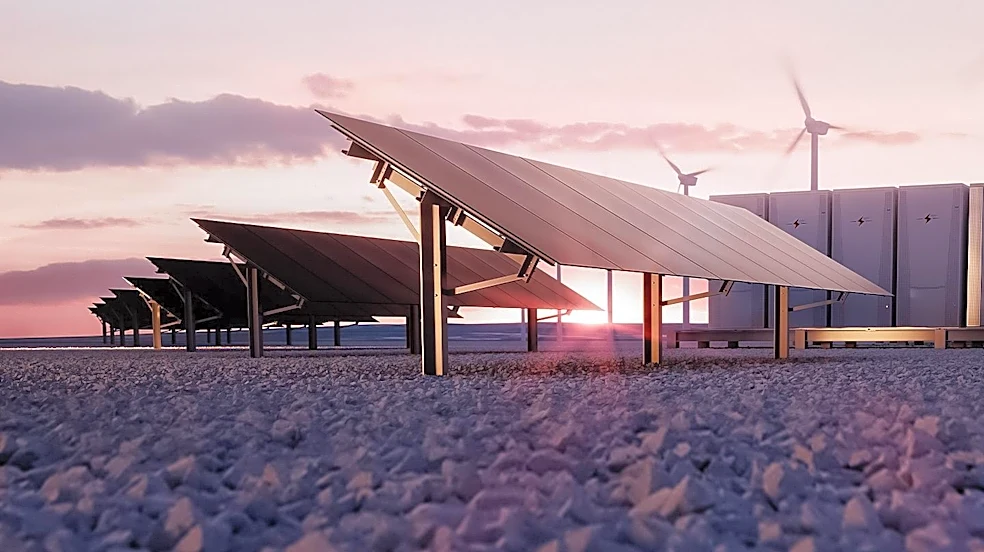
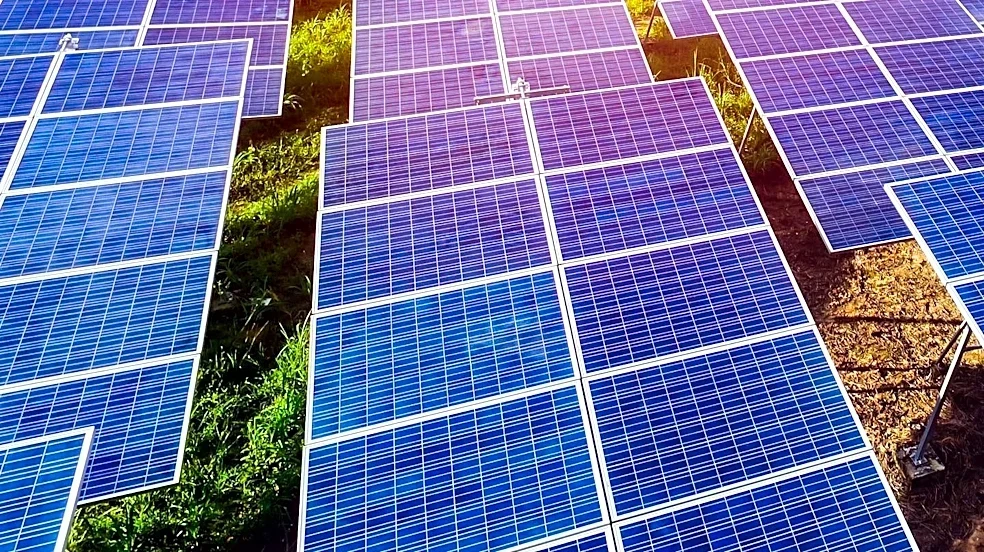
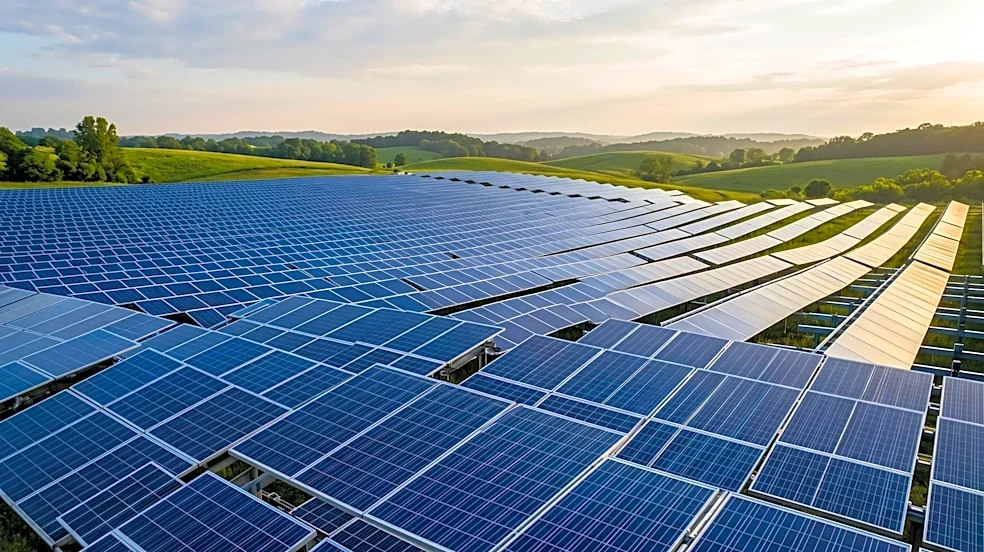
Brazil's electricity grids. In Mexico, the IFC is providing $222 million in financing to support the development of a 200 MW solar photovoltaic plant. This amount is part of a larger $444 million package for EDP's global renewable energy operations, with half of it secured by ICO, a Spanish public financial institution. In Brazil, the IFC is investing approximately $79 million, in collaboration with local institutional investors, to modernize and expand the grid of EDP Espírito Santo, the largest electricity distributor in the state. These initiatives are projected to enhance electricity access and supply for around 200,000 people, create over 4,400 jobs, and reduce carbon dioxide equivalent emissions by approximately 297,000 tons annually. Rui Teixeira, CFO of the EDP group, emphasized that these investments align with EDP's commitment to accelerating the energy transition and generating benefits for communities and local economies. Inês Rocha, IFC's Director for Western Europe, Central and Eastern Europe, Ukraine, and Moldova, highlighted that these operations strengthen a long-term partnership focused on providing essential energy solutions amid rising global electricity demand.
Why It's Important?
These investments are crucial for several reasons, particularly in the context of rapidly increasing global electricity demand, especially in emerging economies. By 2035, emerging economies are expected to account for nearly two-thirds of global electricity demand, necessitating a more than twofold increase in annual investment in electricity production in developing countries, reaching $630 billion. Over half of this required investment is anticipated to come from the private sector. The IFC's involvement helps mobilize this private capital, directing it towards critical infrastructure projects that might otherwise struggle to secure funding. The projects in Mexico and Brazil will directly improve energy access and reliability for hundreds of thousands of people, which is fundamental for economic development and quality of life. Furthermore, the creation of over 4,400 jobs will provide significant economic opportunities in these regions. The reduction of 297,000 tons of carbon dioxide equivalent emissions annually contributes to global climate goals, demonstrating a commitment to sustainable development. This partnership between IFC and EDP serves as a model for how international financial institutions can collaborate with private companies to drive sustainable energy transitions and foster economic growth in developing nations.
What's Next?
The immediate next steps involve the implementation and development of the solar photovoltaic plant in Mexico and the grid modernization efforts in Brazil. The $222 million financing for the Mexican solar plant will facilitate its construction and eventual operation, contributing to the country's renewable energy capacity. In Brazil, the $79 million investment will be channeled into upgrading and expanding EDP Espírito Santo's grid, aiming for more reliable service for its 1.8 million customers. Beyond these specific projects, the IFC and EDP are likely to continue their long-standing partnership, seeking further opportunities to invest in clean energy and infrastructure in developing markets. The success of these projects could encourage similar collaborations between international financial institutions and private energy companies, potentially leading to increased private sector investment in renewable energy and grid modernization across other emerging economies. The focus on job creation and emissions reduction sets a precedent for future development projects, emphasizing both economic and environmental benefits. Stakeholders, including local communities, energy consumers, and environmental groups, will likely monitor the progress and impact of these initiatives.
Beyond the Headlines
The IFC's strategic investments in Mexico and Brazil underscore a broader shift in global development finance, where multilateral institutions increasingly leverage private capital to address large-scale infrastructure and sustainability challenges. This approach is vital as public treasuries face fiscal constraints and traditional aid models prove insufficient for the scale of development needed. The emphasis on clean energy projects reflects a growing global commitment to decarbonization and climate resilience, integrating environmental objectives with economic development. The modernization of electricity grids, particularly in Brazil, highlights the critical need for resilient and efficient energy infrastructure to support economic growth and withstand climate-related disruptions. This model of blended finance, combining public and private funds, also helps de-risk investments in emerging markets, making them more attractive to private investors. Ethically, these projects aim to address energy poverty and improve living standards, aligning with sustainable development goals. Legally and culturally, such large-scale infrastructure projects often involve navigating complex regulatory frameworks and engaging with diverse local communities, requiring careful planning and stakeholder management to ensure equitable benefits and minimize adverse impacts. This trend signifies a long-term shift towards more integrated and sustainable development financing strategies.