







What's Happening?
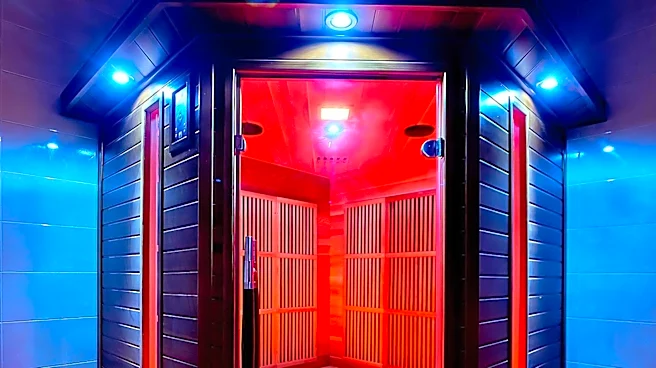
LIT Method has launched the Titan Hybrid Sauna, a new product that integrates both infrared and traditional sauna heating methods, alongside red light therapy. This hybrid design allows users to choose between heating the air up to 200°F for a classic
Finnish sauna experience or utilizing infrared panels to directly warm the body at around 150°F. The infrared heat is designed to penetrate deeper into muscle tissue, which is beneficial for post-workout recovery, reducing inflammation, and increasing blood flow. The Titan also includes a built-in red light system featuring two wavelengths: 660nm (visible red) and 850nm (near-infrared). The 660nm wavelength targets surface-level benefits like collagen production and skin texture improvement, while the 850nm wavelength penetrates deeper to support cellular energy, reduce joint inflammation, and accelerate tissue repair. This system can be used concurrently with heat therapy or as a standalone session. The sauna is constructed with premium materials, including real wood and non-toxic adhesives, and is designed for both indoor and outdoor use, capable of operating in temperatures as low as -30°F. It also features smart connectivity for remote operation and a Bluetooth audio system.
Why It's Important?
The introduction of the Titan Hybrid Sauna by LIT Method signifies a notable advancement in the home wellness and recovery market. By combining traditional and infrared heating with red light therapy, the product offers a comprehensive solution for physical recovery and overall well-being. This integrated approach could set a new standard for personal saunas, providing versatility that caters to different user needs, from deep detoxification to targeted muscle recovery. For athletes and fitness enthusiasts, the ability to switch between heat modes and incorporate red light therapy directly addresses common concerns like delayed onset muscle soreness (DOMS) and inflammation, potentially enhancing training regimens and reducing recovery times. The emphasis on deeper tissue penetration with infrared heat and cellular benefits from red light therapy highlights a growing consumer demand for scientifically-backed wellness technologies. Furthermore, the product's robust construction for both indoor and outdoor use expands its market appeal, making advanced recovery tools accessible to a broader range of consumers regardless of their living environment.
What's Next?
The Titan Hybrid Sauna is positioned to influence the home wellness market by offering a multi-functional recovery device. Consumers can expect to see continued innovation in integrated wellness technologies as companies strive to provide comprehensive solutions for health and recovery. The product's dual-heat and red light therapy capabilities suggest a trend towards more versatile and personalized wellness experiences. As more users adopt such advanced systems, there may be an increased demand for scientific validation of the combined benefits of these therapies. LIT Method's full coverage warranty, including five years on the sauna cabin and two years on heating elements, indicates a commitment to product longevity and customer satisfaction, which could become a benchmark for competitors. Future developments might include further integration with wearable health technology to personalize therapy sessions based on individual biometric data, enhancing the efficacy and user experience of home saunas.
Beyond the Headlines
The emergence of hybrid saunas like the Titan reflects a broader cultural shift towards proactive health management and personalized wellness. Beyond the immediate physical benefits, the integration of red light therapy touches upon the growing interest in photobiomodulation, a field exploring light's therapeutic effects on cellular function. This trend suggests a move away from reactive treatment of ailments towards preventative and performance-enhancing practices. The convenience of having such advanced recovery tools at home also democratizes access to therapies once primarily available in specialized clinics or high-end spas. This could lead to a re-evaluation of traditional healthcare models, with a greater emphasis on self-care and at-home interventions. The product's design for both indoor and outdoor use also speaks to a desire for seamless integration of wellness practices into daily life, blurring the lines between home, gym, and spa environments. This holistic approach to well-being, combining physical recovery with aesthetic and cellular health, underscores a significant evolution in consumer expectations for personal health technology.