








What's Happening?
Theresa Moloney, a fitness expert and creator of The Strongher Method, emphasizes the significance of mobility training for maintaining physical health and independence, particularly as one ages. She highlights her 90-year-old aunt, referred to as Auntie
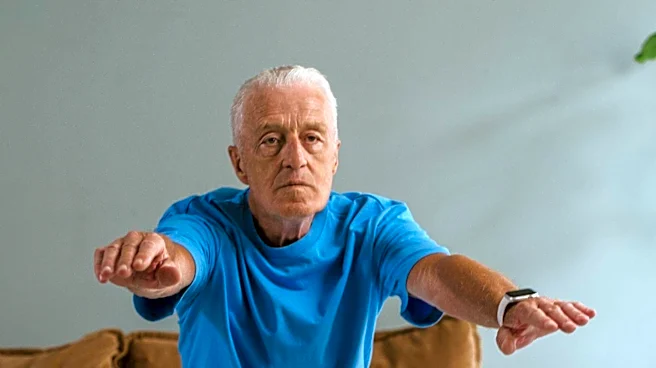
J, as a prime example of aging strong through a simple yet effective daily workout routine. Auntie J's regimen includes 30 squats using a fridge for support, 25 sit-ups, a 30-second plank, and walking 10,000 steps. This routine is designed to keep her active and energized, demonstrating the potential for seniors to maintain mobility and strength through consistent exercise.
Why It's Important?
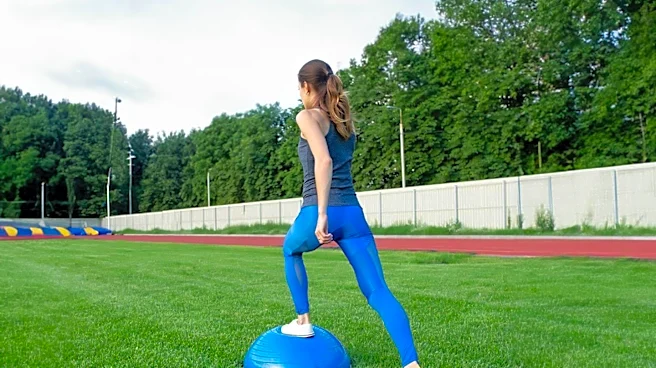
The story of Auntie J underscores the broader significance of mobility training for seniors, which is crucial for maintaining independence and quality of life. As the population ages, there is an increasing need for accessible fitness routines that cater to older adults. Mobility exercises like those practiced by Auntie J can help prevent falls, improve balance, and enhance overall physical health. This approach not only benefits individuals but also reduces healthcare costs associated with age-related injuries and conditions. By promoting such routines, fitness experts like Moloney are contributing to a healthier, more active aging population.
What's Next?
The growing awareness of the benefits of mobility training for seniors may lead to more widespread adoption of similar routines. Fitness programs tailored to older adults could become more prevalent in community centers and gyms, offering structured guidance and support. Additionally, healthcare providers might increasingly recommend such exercises as part of preventive care strategies for aging patients. As more seniors embrace mobility training, there could be a shift in societal perceptions of aging, highlighting the potential for maintaining vitality and independence well into advanced years.
Beyond the Headlines
The emphasis on mobility training for seniors also raises important cultural and ethical considerations. It challenges stereotypes about aging and physical decline, promoting a more positive and proactive approach to senior health. Furthermore, it highlights the need for inclusive fitness environments that accommodate individuals of all ages and abilities. As the fitness industry evolves, there may be increased demand for trainers and programs specializing in senior fitness, creating new opportunities for employment and innovation in the sector.