



What's Happening?
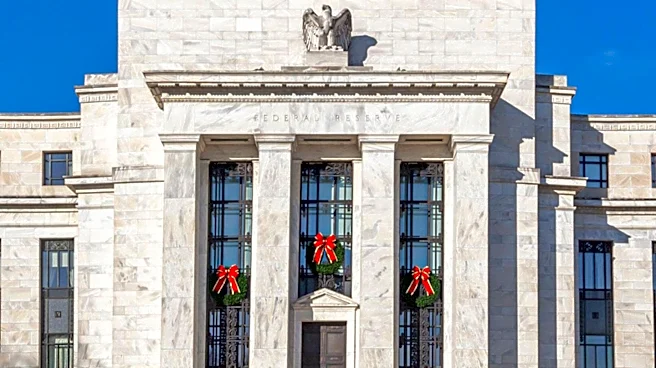
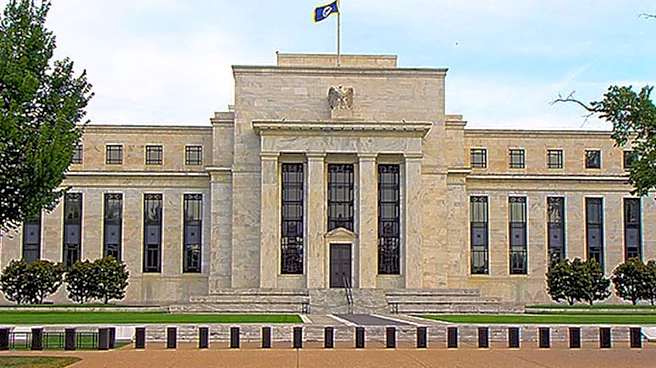
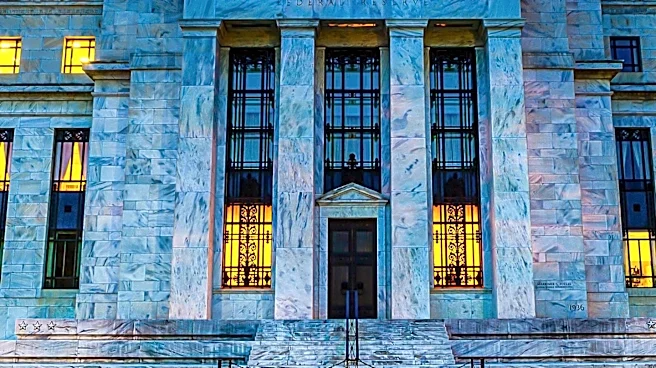
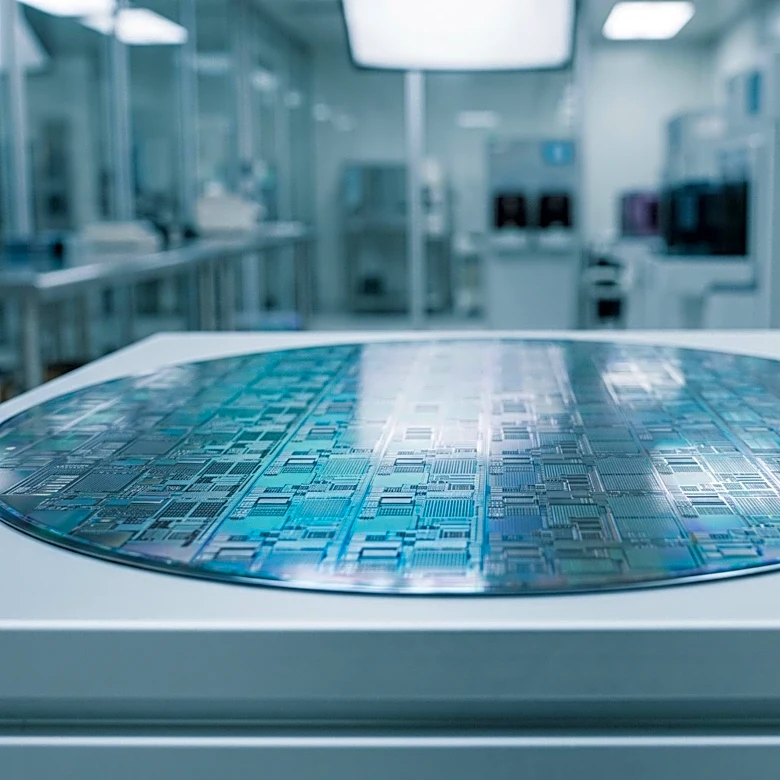
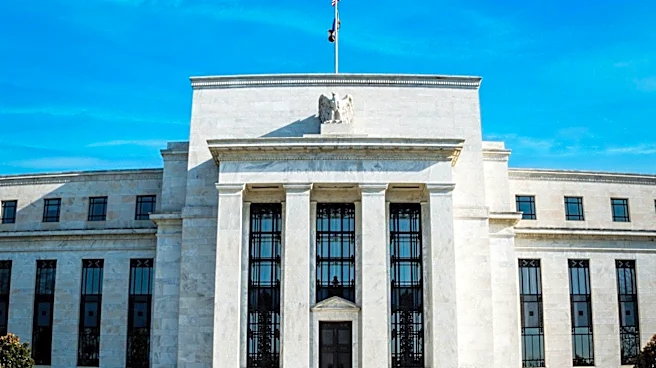
Federal Reserve Bank of Chicago President Austan Goolsbee has stated that policymakers must address a potential overheating in the U.S. economy. This concern stems from the rapid build-out of artificial intelligence (AI) data centers and a broadening
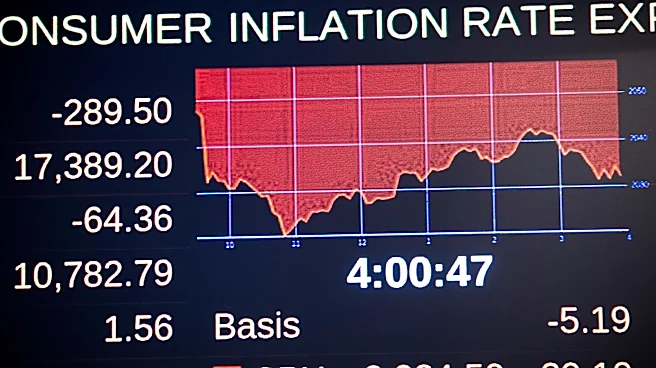
of inflationary pressures. Goolsbee emphasized that the Federal Reserve needs to confront the 'cost side and inflation side failure in the mandate.' Inflation has remained above the Fed's 2% target for over five years, with recent months showing a wider spread of price increases, partly due to elevated energy prices. Goolsbee specifically noted a rise in service prices, which are not directly linked to energy costs or tariffs, as a significant contributor to the overall increase in expenses. He likened the AI data center expansion to 'old-fashioned demand overheating,' suggesting that central banks typically need to respond aggressively to such conditions. Despite strong hiring across various sectors and stable labor market growth, Goolsbee identified high inflation as the primary economic challenge. Fed officials maintained interest rates last month after a September increase, with many signaling that further rate hikes might be necessary to curb inflation.
Why It's Important?
Goolsbee's remarks highlight a critical juncture for U.S. economic policy, as the Federal Reserve grapples with persistent inflation amidst new economic drivers. The rapid expansion of AI data centers, while indicative of technological advancement and investment, is now being flagged as a potential source of demand-side inflation. This suggests that the economic impact of the AI boom extends beyond technological innovation to fundamental macroeconomic stability. If the economy is indeed overheating due to this build-out, it could necessitate more aggressive monetary policy tightening, such as further interest rate hikes. Such measures could increase borrowing costs for businesses and consumers, potentially slowing economic growth in other sectors. The broadening of inflation beyond energy and tariffs into services indicates a more entrenched inflationary environment, making it harder for the Fed to achieve its 2% target without significant intervention. This situation could lead to a delicate balancing act for policymakers, aiming to cool inflation without triggering a sharp economic downturn, impacting investment decisions and consumer spending across the nation.
What's Next?
The Federal Reserve will likely continue to closely monitor economic indicators, particularly inflation data and the pace of investment in sectors like AI infrastructure. Goolsbee's comments suggest a potential shift towards a more hawkish stance if inflationary pressures persist or intensify. While he does not vote on monetary policy decisions this year, his views provide insight into the ongoing discussions within the Fed. Future actions could include additional interest rate increases, as indicated by median projections from policymakers in September. Businesses involved in the AI data center build-out may face increased scrutiny regarding their economic impact, and the broader technology sector could see adjustments in investment strategies if higher interest rates make capital more expensive. Consumers might experience continued pressure from rising prices, and the housing market, already sensitive to interest rate changes, could see further cooling. The Fed's response will be crucial in shaping the economic landscape for the coming months, with potential implications for employment, investment, and overall economic stability.
Beyond the Headlines
The discussion around AI data centers contributing to economic overheating points to a deeper, evolving challenge in modern economies: how to manage the macroeconomic effects of rapid technological transformation. The AI boom, while promising productivity gains, also demands significant resources, including energy and capital, which can create demand-side pressures. This situation raises questions about the sustainability of such rapid growth and whether current economic models adequately account for the inflationary potential of large-scale technological infrastructure development. Furthermore, the focus on service price inflation suggests structural shifts in the economy, where labor costs and demand for non-tangible goods play a more significant role in overall price levels. This could imply that traditional monetary policy tools, primarily designed to manage demand for goods, might need to be re-evaluated or supplemented to effectively address inflation driven by services and new technological sectors. The long-term implications could involve a re-assessment of how technological booms are integrated into economic forecasting and policy frameworks to prevent unintended inflationary consequences.