


What's Happening?
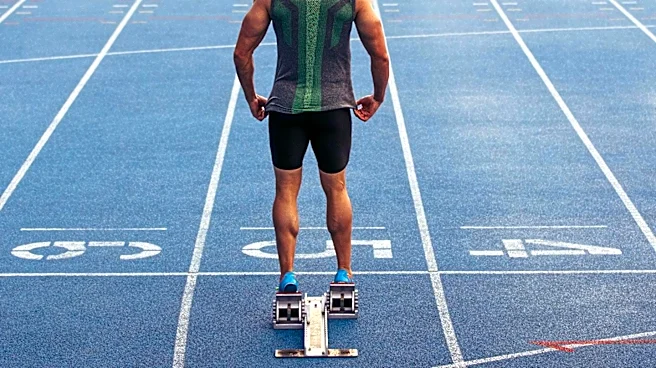
High-intensity interval training (HIIT) is gaining popularity among teenagers seeking to improve fitness, athletic performance, and overall energy levels. HIIT involves short, intense bursts of exercise alternated with brief periods of rest or low-intensity
activity. Unlike traditional cardio, which maintains a constant pace, HIIT focuses on elevating the heart rate significantly during work intervals, followed by partial recovery. This training method is particularly appealing to teenagers due to its time efficiency, variety, and dynamic nature. Physiologically, HIIT stimulates mitochondrial biogenesis, increasing the number and efficiency of cells' 'energy factories,' which enhances muscle aerobic capacity and delays fatigue. It also activates signaling pathways linked to improved fat oxidation and more efficient glucose utilization. Furthermore, intense interval training boosts anaerobic capacity and lactate tolerance, enabling athletes to sustain demanding efforts without early fatigue. For teenagers, these adaptations can be highly beneficial, provided the training load is carefully managed.
Why It's Important?
The growing adoption of HIIT among teenagers is significant because it offers a powerful tool for addressing various health concerns, including improving cardiovascular fitness, metabolic health, and body composition. In a society where sedentary lifestyles are increasingly common, HIIT provides an effective and time-efficient way for young people to engage in physical activity. The method's ability to improve insulin sensitivity, glycemic control, and blood pressure can be particularly relevant for adolescents at risk of metabolic syndrome or those with a tendency towards inactivity. By preserving muscle mass while reducing fat, HIIT promotes a healthier body composition, which is crucial for long-term health and athletic performance. The psychological benefits, such as reduced anxiety and depression symptoms, improved mood, and increased self-efficacy, also contribute to a holistic approach to adolescent well-being. However, proper planning and supervision are essential to ensure safety and prevent potential overloading of joints, the heart, or the nervous system during this sensitive developmental stage.
What's Next?
As HIIT continues to gain traction, the focus will likely shift towards developing more tailored and supervised programs for teenagers. This includes emphasizing the importance of medical check-ups before starting demanding protocols, especially for those with underlying health conditions. Future developments will also involve refining guidelines for warm-up routines, appropriate rest periods, and weekly frequency to minimize injury risk and ensure sustainable engagement. The integration of HIIT with strength training is expected to become a standard recommendation for comprehensive physical development, offering a 'hybrid' approach that builds a strong, resilient, and healthy physique. Educational initiatives will be crucial to inform teenagers and their guardians about the benefits and risks of HIIT, promoting a balanced approach that avoids extreme routines often seen on social media. The goal is to foster a positive relationship with physical activity, ensuring that HIIT is perceived as a challenging yet enjoyable component of an active lifestyle.
Beyond the Headlines
Beyond its immediate physical benefits, the rise of HIIT among teenagers highlights broader societal trends in fitness and health. It underscores a shift towards more efficient and results-driven exercise methodologies, reflecting the time constraints and preferences of modern youth. The emphasis on proper supervision and individualized intensity adjustment also brings to light the ethical considerations in youth fitness, particularly the need to protect developing bodies from overtraining and injury. This trend could influence public health policies, potentially leading to the integration of structured HIIT programs into school curricula or community sports initiatives, aligning with recommendations for daily moderate-to-vigorous activity. Furthermore, the psychological impact of HIIT, including its potential to reduce mental health symptoms and boost self-efficacy, points to a growing recognition of the interconnectedness of physical and mental well-being in adolescence. This could foster a generation that views exercise not just as a means to an end, but as an integral part of a balanced and healthy life.