






What's Happening?
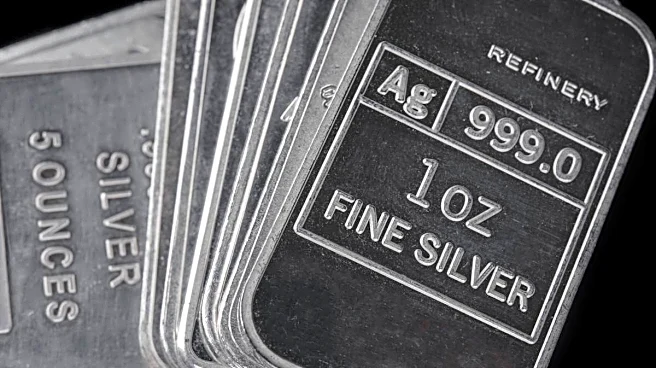
According to the StoneX Quarterly Commodities Outlook, gold is expected to finish 2026 near the $4,000 per ounce mark, while silver is projected to trade between $55 and $60 per ounce. The report highlights that gold's price trajectory is heavily influenced
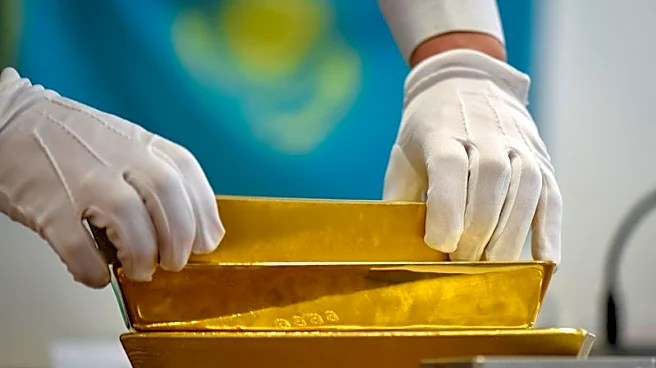
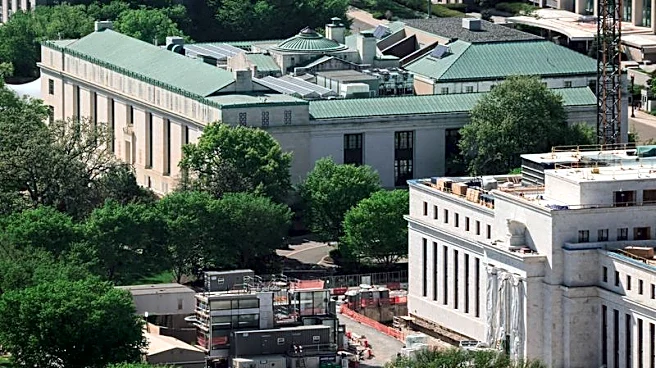
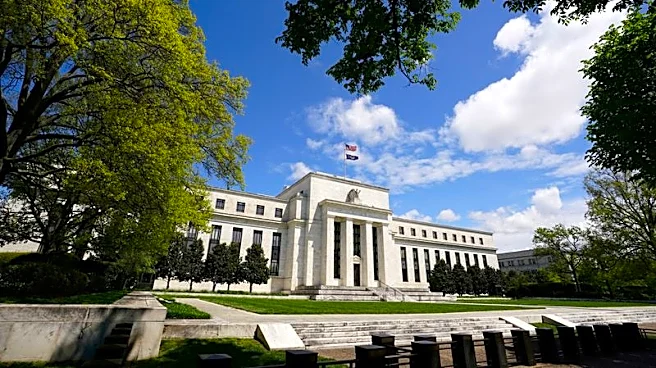
by geopolitical tensions, particularly the ongoing conflict involving Iran. Rhona O'Connell, Head of Market Analysis for EMEA & Asia at StoneX, notes that gold's recent price weakness is linked to uncertainty over the Iran conflict and declining equities. The report also discusses the impact of Kevin Warsh's recent appointment as the Federal Reserve Chair, suggesting that the Fed may maintain a steady approach to inflation, which could influence gold prices. Additionally, the report mentions that central banks are expected to increase their gold reserves, which could support gold prices in the long term.
Why It's Important?
The forecasted stability in gold prices is significant for investors and financial markets, as gold is often seen as a hedge against inflation and economic uncertainty. The geopolitical tensions, particularly in the Middle East, could lead to increased demand for gold as a safe-haven asset. The Federal Reserve's monetary policy under Kevin Warsh could also play a crucial role in shaping gold's price trajectory, as interest rate decisions impact investor behavior. Furthermore, the anticipated increase in central bank gold reserves suggests a continued reliance on gold as a strategic asset, which could influence global financial stability and currency valuations.
What's Next?
Looking ahead, the resolution of the Iran conflict and the Federal Reserve's policy decisions will be key factors influencing gold prices. If geopolitical tensions ease, it could lead to a decrease in gold prices as risk appetite returns to the market. Conversely, any escalation in tensions could drive prices higher. The Federal Reserve's approach to interest rates will also be closely watched, as any changes could impact gold's attractiveness as an investment. Additionally, the report suggests that silver's price will continue to be influenced by gold, with potential for increased industrial demand in the long term.
Beyond the Headlines
The report highlights the potential for increased industrial demand for silver, driven by advancements in technology and the electrification of vehicles. This could lead to a shift in how silver is valued, with industrial usage becoming a more significant factor than the traditional gold-silver price ratio. The report also notes that geopolitical and economic factors, such as tensions in the Middle East and central bank policies, will continue to play a critical role in shaping the precious metals market.