



What's Happening?
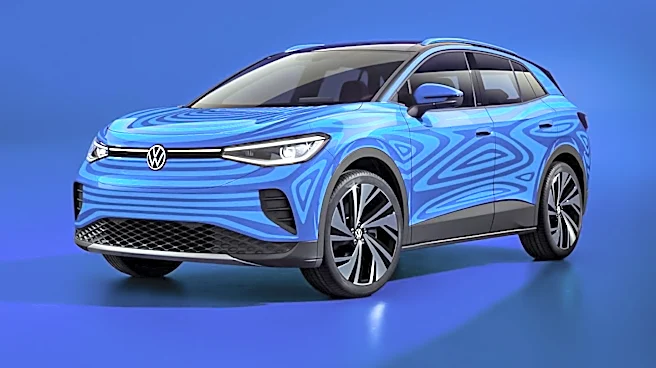
Scout Motors Inc., a new electric vehicle manufacturer, is preparing for full-scale production at its South Carolina plant and addressing concerns regarding its direct-to-consumer sales model. Scout CEO Scott Keogh has affirmed the company's commitment
to establishing a comprehensive service network, countering the perception that direct sales would lead to a lack of maintenance support. Keogh stated that Scout plans to build 100 dedicated stores across the country. These facilities will not only serve as locations for test drives and sales but will also house lifts and trained technicians to service vehicles. He emphasized that service infrastructure is a primary focus from day one, aiming to solve customer care and vehicle maintenance as the top priority, rather than focusing on high-end retail locations. This strategy aims to ensure that owners of Scout's electric trucks and rugged SUVs receive full support for maintenance and warranty work, directly from the manufacturer.
Why It's Important?
This commitment from Scout Motors is significant for the evolving automotive retail landscape in the U.S., particularly for electric vehicle startups. The direct-to-consumer model, while offering potential cost savings and a streamlined purchasing experience, often raises questions about post-purchase support, especially for complex electric powertrains. By promising a robust network of dedicated service centers, Scout Motors aims to build consumer confidence and differentiate itself from other direct-sales brands that have faced criticism for inadequate service infrastructure. This approach could set a new standard for how EV startups manage customer service and vehicle maintenance, potentially influencing future strategies across the industry. It also directly addresses concerns from traditional dealerships, some of whom have expressed interest in servicing Scout vehicles due to the brand's association with Volkswagen Group, but have been explicitly excluded from sales and service operations.
What's Next?
As Scout Motors moves closer to full production, the next steps will involve the physical establishment of these 100 promised service centers across the U.S. The company will need to recruit and train a substantial workforce of technicians capable of handling electric vehicle maintenance and repairs. Furthermore, Scout will likely continue to refine its integrated online and in-person retail strategy, ensuring a seamless customer experience from purchase to long-term ownership. The success of this service model will be crucial for Scout's market penetration and brand reputation, especially as it competes in the growing electric SUV and truck segments. The automotive industry will be watching closely to see if Scout's integrated sales and service approach can effectively challenge traditional dealership models and provide a sustainable, customer-centric alternative.
Beyond the Headlines
The strategy employed by Scout Motors reflects a broader shift in the automotive industry towards direct engagement with consumers, driven by the rise of electric vehicles and digital commerce. This move challenges the long-standing franchise dealership model, which has been a cornerstone of auto sales and service for decades. By creating its own service network, Scout is not only ensuring customer support but also gaining direct control over the customer relationship and valuable feedback loops between technicians and engineers. This direct feedback can lead to faster product improvements and a more responsive manufacturing process. Ethically, it places the full responsibility of vehicle performance and customer satisfaction squarely on the manufacturer, potentially fostering greater accountability. Legally, it navigates the complex state franchise laws that often protect existing dealerships, by establishing a new paradigm for sales and service that bypasses them entirely.