





What's Happening?
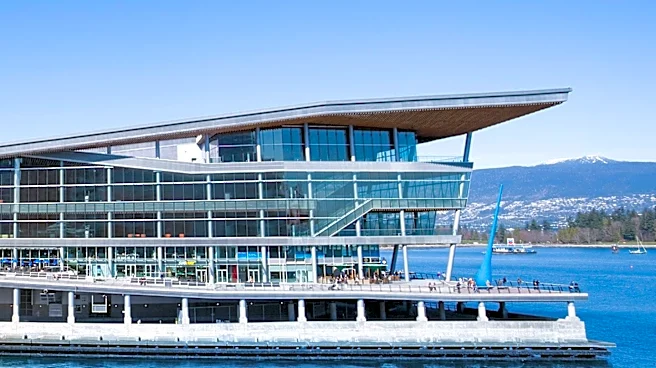
The Vancouver Convention Centre is playing a significant role in driving Canada's convention tourism growth by strategically integrating its operations with the broader destination strategy. The facility offers approximately 466,500 square feet of meeting,
exhibition, ballroom, and pre-function space, capable of accommodating over 16,000 delegates. Its waterfront location provides delegates with convenient access to hotels, restaurants, attractions, and the wider downtown visitor economy. Convention visitors contribute substantially to tourism spending through accommodation, food and beverage, local transportation, shopping, and leisure activities. Furthermore, Vancouver has prioritized sustainability, with the convention center recognized for its environmentally focused infrastructure, including a living roof, water management systems, and energy-efficiency measures. This commitment to sustainability is increasingly important for international meeting planners who incorporate environmental requirements into their venue selection processes.
Why It's Important?
The Vancouver Convention Centre's approach highlights a growing trend in the tourism industry where convention facilities are viewed as integral components of a broader destination strategy rather than isolated event spaces. By attracting large-scale international meetings, the center not only generates direct revenue from events but also creates a significant multiplier effect across various sectors of the local economy. Hotels, restaurants, transportation services, retail businesses, and local attractions all benefit from the influx of delegates. The emphasis on sustainability also positions Vancouver as an attractive destination for organizations with environmental commitments, potentially drawing more events and further enhancing the city's reputation. This integrated approach helps to diversify the visitor economy, providing a more stable and year-round tourism demand, which is less susceptible to seasonal fluctuations compared to traditional leisure tourism.
What's Next?
The continued development and strategic integration of convention centers like Vancouver's are expected to further solidify Canada's position in the global meetings industry. As international meetings become more competitive, destinations that offer a combination of venue capacity, accessibility, accommodation, sustainability, and a compelling delegate experience will likely attract more events. Vancouver's model of combining waterfront tourism with large-scale international meetings and a strong sustainability proposition is likely to be emulated by other cities. This integrated approach will continue to support various industries beyond the immediate tourism sector, including event production, catering, technology providers, and security firms, fostering a robust business events ecosystem. The ongoing focus on environmental credentials will also likely influence future infrastructure developments and marketing strategies for convention centers.
Beyond the Headlines
The success of Vancouver's convention strategy underscores a broader shift in how cities perceive and leverage their event infrastructure. Beyond the immediate economic benefits, large international meetings can significantly enhance a city's global reputation among professionals, companies, and associations. A well-executed event demonstrates a city's capacity for high-quality infrastructure, accommodation, transport, technology, and service standards, creating a positive feedback loop that attracts future gatherings. This can lead to increased foreign investment, talent attraction, and knowledge exchange, particularly when universities and research institutions are involved. The focus on sustainability also reflects an evolving ethical dimension in global business, where environmental responsibility is becoming a key differentiator for destinations and event organizers alike, influencing long-term urban development and policy decisions.