



What's Happening?
China is actively pursuing a comprehensive strategy to expand its physical gold reserves, as detailed by Charles Chang of S&P Global Ratings. This multi-faceted approach includes direct purchases by the People's Bank of China (PBOC), state-backed acquisitions
of mining operations, and a notable increase in retail demand for gold bullion. Furthermore, Hong Kong is expanding its gold vault capacity to accommodate this growing accumulation. Chang characterizes these efforts as a deliberate and long-term government strategy designed to mitigate risks associated with global uncertainties. The coordinated nature of these initiatives suggests a sustained commitment from the Chinese government to bolster its gold holdings across various sectors.
Why It's Important?
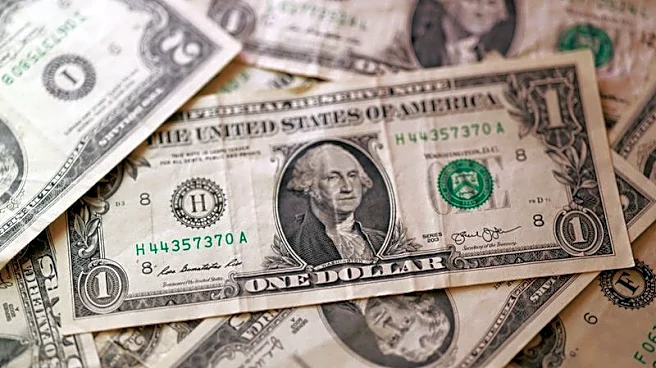
China's aggressive accumulation of physical gold has significant implications for global financial markets and the U.S. economy. A substantial increase in gold demand from a major economic power like China can influence global gold prices, potentially leading to higher costs for U.S. industries that utilize gold in manufacturing or investment. This strategy also reflects a broader geopolitical trend where nations are seeking to diversify their reserves away from traditional assets like the U.S. dollar, potentially impacting the dollar's status as the world's primary reserve currency over the long term. For U.S. investors, this could mean a shift in investment strategies, with increased interest in gold as a hedge against currency fluctuations and economic instability. The move also signals China's perception of ongoing global uncertainties, which could prompt other nations to re-evaluate their own reserve strategies, further influencing international financial dynamics.
What's Next?
The ongoing expansion of China's physical gold reserves is expected to continue, maintaining upward pressure on global gold prices. This sustained demand could lead to further investment in gold mining and refining operations worldwide. Other central banks and national entities may observe China's strategy and consider similar moves to diversify their own reserves, potentially accelerating a global trend towards increased gold holdings. For the U.S., this could necessitate a re-evaluation of its own economic and financial policies in response to shifting global reserve preferences. The increased retail demand for gold in China also suggests a growing public sentiment towards tangible assets, which could influence consumer behavior and investment patterns in other major economies.
Beyond the Headlines
China's intensified push for physical gold extends beyond mere economic diversification; it represents a strategic move to enhance its financial sovereignty and reduce reliance on the U.S. dollar in an increasingly multipolar world. This long-term strategy could be interpreted as a hedge against potential economic sanctions or geopolitical instability, providing China with greater financial resilience. The ethical implications involve the potential for increased environmental impact from expanded gold mining operations globally, as demand continues to rise. Culturally, the emphasis on gold as a stable asset could reinforce traditional perceptions of wealth and security, influencing public trust in fiat currencies. This shift could also subtly alter the balance of power in international finance, as nations with substantial gold reserves gain greater leverage in global economic discussions.