





What's Happening?
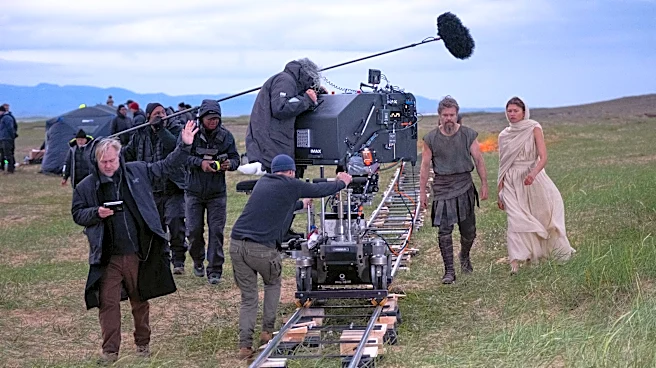
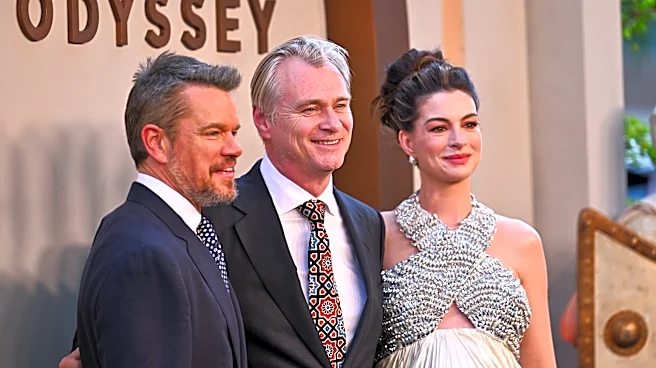
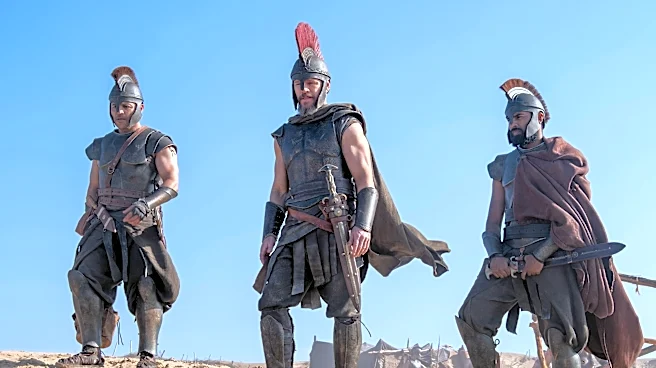
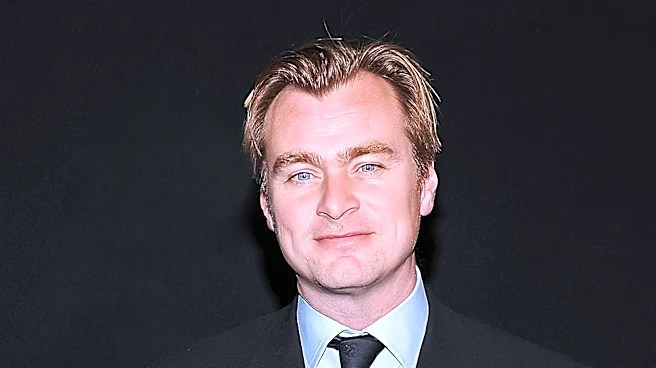
Christopher Nolan's film adaptation of 'The Odyssey' has sparked debate among scholars and critics. The film, starring Matt Damon, Anne Hathaway, and Tom Holland, has been praised for its cinematic scale and narrative drive. However, Greek translator
Emily Wilson and author Daniel Mendelsohn have expressed concerns over the film's interpretation of Homer's epic. Wilson, whose translation of 'The Odyssey' has gained popularity, appreciates the renewed interest in the poem but feels the film misses essential themes. Mendelsohn criticizes the portrayal of Odysseus, arguing that Nolan's version lacks the cleverness and charm of the original character, instead presenting a tormented protagonist similar to those in Nolan's previous works.
Why It's Important?
The film's release highlights the ongoing conversation about how classic literature is adapted for modern audiences. Nolan's interpretation, while visually impressive, raises questions about fidelity to source material and the balance between artistic vision and literary tradition. This debate is significant as it reflects broader cultural discussions about representation, identity, and the role of adaptation in preserving or transforming classic narratives. The film's choices, such as casting decisions and thematic focus, challenge traditional perceptions and invite audiences to reconsider established narratives, potentially influencing future adaptations of literary works.
What's Next?
As the film continues to be discussed, it may influence how future adaptations of classic literature are approached, particularly in balancing modern sensibilities with traditional narratives. Scholars and critics may continue to analyze the film's impact on public perception of 'The Odyssey' and similar works. The conversation may also extend to educational settings, where the film could be used as a tool to engage students with classical texts, prompting discussions about interpretation and adaptation. The film's reception could encourage filmmakers to explore other classic works, potentially leading to a new wave of adaptations that blend historical and contemporary elements.
Beyond the Headlines
The film's adaptation choices, such as the portrayal of Odysseus and the absence of certain mythological elements, may reflect broader cultural shifts in storytelling. These choices could influence how audiences perceive heroism, identity, and morality in classical narratives. The film's reception may also impact the publishing industry, as renewed interest in 'The Odyssey' could lead to increased sales of translations and related literature. Additionally, the film's approach to diversity and representation, as seen in its casting decisions, may set a precedent for future adaptations, encouraging more inclusive portrayals of historical and mythological figures.