


What's Happening?
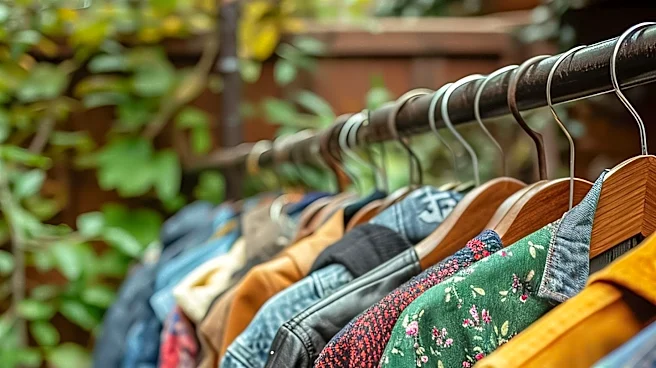
Fashion items from the 1990s are increasingly being treated as collectibles, with original pieces from the decade commanding high prices on resale platforms. Buyers are actively seeking specific designer collections, discontinued accessories, early streetwear,
and styles that have made a return to fashion. Examples of highly sought-after items include Vivienne Westwood corsets, which can sell for over $1,000, and Chanel vintage chain belts, with potential resale values ranging from $700 to $2,000. Other valuable items include Jean Paul Gaultier Cyberdot pieces, Prada nylon backpacks, Gianni Versace baroque shirts, Fendi Baguette bags, Issey Miyake Pleats Please items, Thierry Mugler structured jackets, Dior Saddle bags, Chrome Hearts leather jackets, Helmut Lang bondage pants, Maison Martin Margiela Tabi boots, Moschino Couture jackets, Versace Medusa sunglasses, Gucci Tom Ford-era loafers, Jean Paul Gaultier mesh tops, Alaïa body-con dresses, and early Supreme T-shirts. The value of these items is influenced by factors such as brand, year, condition, rarity, size, and color.
Why It's Important?
This trend signifies a significant shift in the U.S. fashion market, where vintage items are no longer just second-hand goods but have become valuable investments and collectibles. This creates a new economic segment within the fashion industry, benefiting resale platforms, vintage dealers, and individuals who own these items. The high demand and escalating prices for specific 1990s pieces reflect a broader cultural appreciation for historical fashion and designer craftsmanship. It also highlights the impact of nostalgia on consumer spending, as buyers are willing to pay premium prices for items that evoke a sense of the past. This phenomenon can influence current fashion trends, as designers may draw inspiration from these popular vintage styles, further blurring the lines between past and present fashion cycles. The collectibility also underscores the importance of brand heritage and the lasting appeal of iconic designs.
What's Next?
The market for collectible 1990s fashion is expected to continue growing, with prices potentially increasing for rare and well-preserved items. Resale platforms will likely expand their offerings and authentication services to cater to this demand, ensuring the legitimacy and value of vintage pieces. Fashion brands may also explore collaborations or re-releases of their iconic 1990s designs to capitalize on the nostalgia trend. Consumers with existing 1990s fashion items might see their wardrobes appreciate in value, encouraging a more conscious approach to fashion consumption and preservation. The trend could also lead to increased interest in fashion history and archival collections, as collectors and enthusiasts seek to understand the origins and significance of these valuable pieces. Furthermore, the success of 1990s collectibles might inspire similar trends for items from other decades, expanding the scope of the vintage market.
Beyond the Headlines
Beyond the economic implications, the rise of 1990s fashion as collectibles reflects a deeper cultural narrative about identity, memory, and the perceived authenticity of past eras. In an age of fast fashion and rapid trend cycles, these vintage items offer a sense of permanence and unique craftsmanship. The desire to own a piece of the 1990s can be linked to a longing for a simpler time or a connection to cultural touchstones of that decade. This trend also challenges traditional notions of luxury, where newness is often prioritized, by elevating pre-owned items to a status of high value and desirability. It encourages a more sustainable approach to fashion by promoting the reuse and appreciation of existing garments, potentially influencing consumer attitudes towards disposable fashion. The collectibility of these items also transforms them into cultural artifacts, preserving the design philosophies and aesthetic sensibilities of a significant period in fashion history.