






What's Happening?
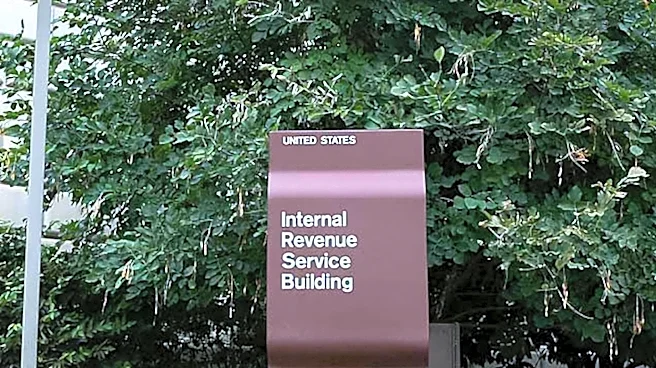
Investors who purchased 'White River tax credits,' often promoted as 'tribal tax credits' or 'Native American tax credits,' are facing significant financial problems, including the disallowance of these credits by the IRS and unexpected federal tax liabilities.
A federal criminal probe into White River Energy Corp has been confirmed by the Senate, indicating serious issues with the legitimacy of these offerings. The IRS has issued internal instructions stating that these identified tribal credits are not allowed, leading to letters informing investors of owed taxes, potential interest, penalties, and examinations of their returns. Investors were reportedly told that these sovereign tribal tax credits could reduce federal tax liabilities, with some promotions even suggesting approval from Treasury, the IRS, or tribal governments, and assurances of sovereign immunity protecting taxpayers from IRS challenges. The Senate Finance Committee's investigation further reported that the IRS confirmed these promoted credits do not exist.
Why It's Important?
This situation is critically important as it exposes investors to substantial financial losses, not only from their initial investment but also from back taxes, penalties, and interest imposed by the IRS. It highlights the risks associated with complex and potentially fraudulent tax schemes, particularly those involving novel or poorly understood financial instruments. The federal criminal probe and the IRS's clear stance underscore the importance of due diligence and independent verification of tax credit claims, especially when they promise unusually high returns or tax reductions. The involvement of 'tribal identities' and claims of 'sovereign immunity' in the promotion of these credits raises serious ethical and legal questions about the exploitation of Native American sovereignty for financial gain. This case serves as a stark warning about the dangers of relying solely on promoters' assurances without consulting independent tax and legal professionals, and it could lead to increased scrutiny of similar tax credit programs in the future.
What's Next?
Investors who have received IRS letters disallowing their White River tax credits should immediately consult an independent tax professional to understand their obligations regarding deadlines, taxes, penalties, and interest. It is crucial for these investors to preserve all relevant documents, including IRS letters, tax returns, purchase agreements, bank records, and any communications discussing the credits or assurances made by promoters. They should also review their financial advisor's registration history and consider potential recovery options, which may include FINRA arbitration against brokerage firms, court litigation against non-FINRA entities, or contractual/insurance-related claims. The ongoing federal criminal probe into White River Energy Corp may uncover further details that could aid investors in their recovery efforts. This situation is likely to lead to increased regulatory oversight and public awareness campaigns regarding fraudulent tax schemes.
Beyond the Headlines
The White River tax credit controversy delves into deeper issues concerning the intersection of financial innovation, regulatory oversight, and the unique legal status of Native American tribes. The alleged misuse of tribal identities and the claims of sovereign immunity highlight a complex legal landscape where tribal sovereignty can be misunderstood or exploited. This case underscores the need for clearer guidelines and stricter enforcement to prevent the misrepresentation of tribal economic development initiatives as tax shelters. Ethically, it raises questions about the responsibility of financial advisors and brokerage firms to conduct thorough due diligence on products they recommend, especially those with unusual or high-risk characteristics. The broader implication is a potential erosion of trust in certain tax credit programs and a call for greater transparency in financial markets, particularly those involving specialized or niche investment opportunities. This incident could also prompt a re-evaluation of how tribal economic ventures are structured and regulated to prevent future abuses.