

What's Happening?
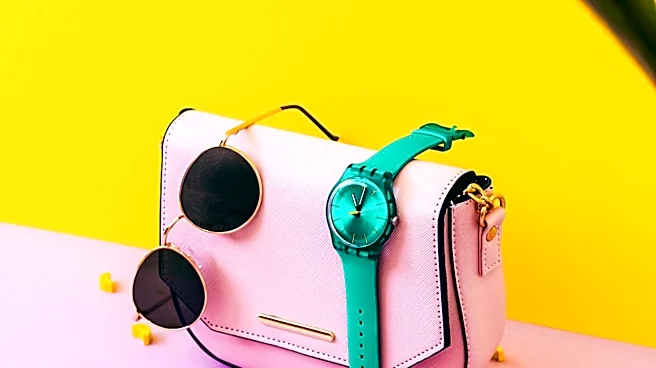
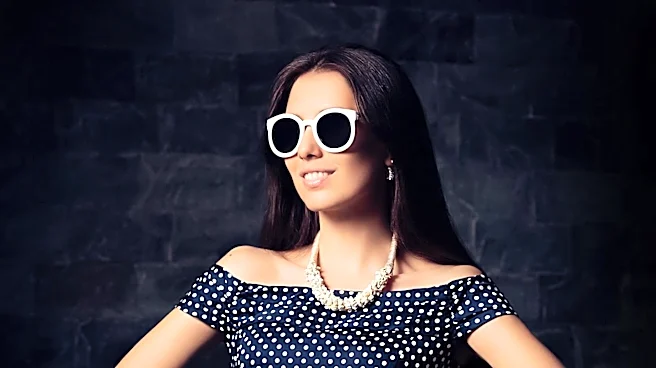
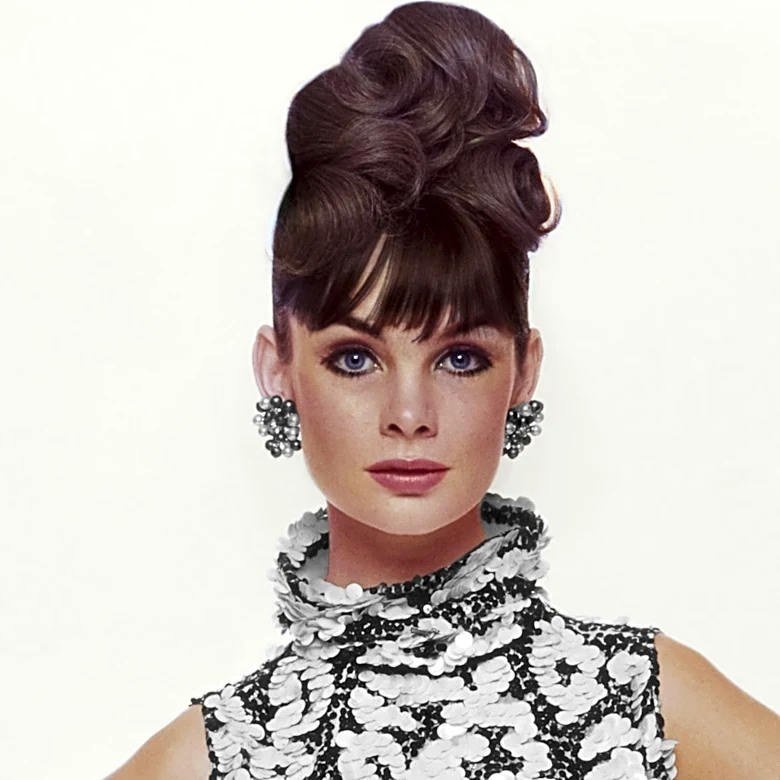
The 'mob wife aesthetic' is emerging as a notable fashion trend, characterized by a fusion of vintage and grandmother styles with contemporary elements. This aesthetic draws inspiration from the wardrobes of Italian grandmothers, emphasizing retro prints,
crochet cardigans, oversized sunglasses, and gold jewelry. It also incorporates a 'slow living' philosophy, moving away from the fast-paced, productivity-focused modern lifestyle. The trend is being observed in fashion articles and product descriptions, particularly in areas like plus-size winter clothing and cozy attire. This movement is seen as an ironic rejection of optimization culture, encouraging activities such as cooking proper meals, connecting with friends, tending to plants, reading, and engaging in analogue hobbies like knitting and baking. The aesthetic extends to travel, favoring village markets, family-run trattorias, and countryside stays.
Why It's Important?
This fashion and lifestyle trend reflects a broader societal shift towards nostalgia and a desire for a 'slower' way of life, potentially influencing consumer behavior and market demands in the U.S. fashion and lifestyle industries. The emphasis on vintage and handcrafted items could boost niche markets for artisanal goods, second-hand clothing, and sustainable fashion. For businesses, understanding this trend is crucial for product development, marketing strategies, and inventory management, especially in the apparel, accessories, and home goods sectors. The 'slow living' aspect could also impact industries related to food, travel, and hobbies, as consumers seek more authentic and less digitally-driven experiences. This trend highlights a cultural yearning for comfort, authenticity, and a connection to the past, which can shape future consumer preferences and market offerings.
What's Next?
The 'mob wife aesthetic' is likely to continue gaining traction, potentially evolving into various sub-trends as it integrates with other fashion movements. We can expect to see more designers and retailers incorporating elements of this style into their collections, from clothing and accessories to home decor. Social media platforms will continue to play a significant role in popularizing and disseminating this aesthetic, with influencers showcasing their interpretations of the trend. The focus on 'slow living' may also lead to an increased demand for experiences and products that promote mindfulness, craftsmanship, and community, such as cooking classes, craft workshops, and local travel destinations. Businesses that adapt to these evolving consumer values by offering products and services aligned with the 'mob wife aesthetic' and 'slow living' philosophy are likely to see increased engagement and sales.
Beyond the Headlines
Beyond its immediate fashion implications, the 'mob wife aesthetic' signifies a deeper cultural commentary on modern life. It represents a pushback against the relentless pursuit of productivity and digital immersion, suggesting a collective longing for simplicity, comfort, and human connection. This trend could foster a greater appreciation for traditional crafts, intergenerational wisdom, and the value of leisure. Ethically, it might encourage more sustainable consumption patterns by promoting the reuse of vintage items and supporting local artisans. Culturally, it highlights the enduring appeal of nostalgia and the cyclical nature of fashion, where past styles are reinterpreted for contemporary relevance. This movement could also spark discussions about the role of technology in daily life and the importance of balancing digital engagement with tangible, real-world experiences.