







What's Happening?
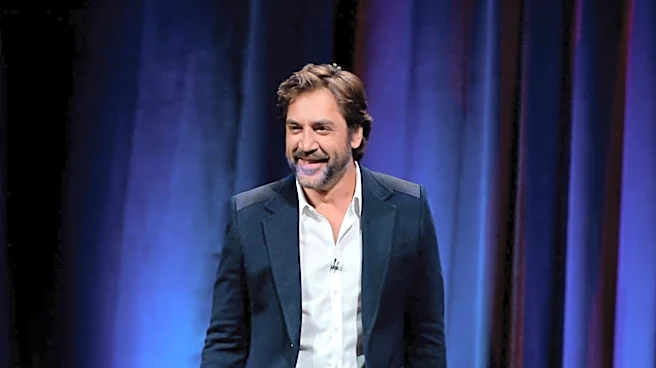
Javier Bardem is slated to star in and executive produce a new HBO Max series titled 'The Spread.' The show will feature Bardem as a visionary multimillionaire whose ambition is to relocate the financial hub of the United States from Wall Street in New
York to Miami. According to Deadline, the series sparked a significant bidding war among major streaming platforms, including Netflix, Prime Video, Paramount+, and Apple TV, before HBO Max secured the rights. Many platforms reportedly offered full season orders, an unusual move for a project without completed scripts. The production is anticipated to commence in 2027, with a likely premiere in 2028. The series is being created by Bill Dubuque and Sean Sansiveri. 'The Spread' will explore a Miami transformed into an economic powerhouse, characterized by immense wealth, investment funds, and industrial giants, alongside a vibrant nightlife fueled by excess. Bardem's character will gather brilliant, ambitious, and potentially dangerous minds to navigate the U.S. economy, with the ultimate goal of making Miami the nation's new economic center of gravity.
Why It's Important?
This series highlights the growing narrative and real-world discussions surrounding Miami's emergence as a significant financial and economic player in the United States. The show's premise, focusing on a deliberate effort to shift the financial epicenter from New York's Wall Street, reflects a broader trend of capital and talent migration to cities like Miami, driven by factors such as favorable tax policies, a burgeoning tech scene, and a desirable lifestyle. For the U.S. financial industry, the series could amplify conversations about decentralization and the potential for new financial hubs to challenge established ones. It also underscores the increasing influence of streaming platforms in shaping cultural perceptions of economic trends and urban development. The involvement of a high-profile actor like Javier Bardem and the intense bidding war among streaming giants indicate a strong belief in the story's relevance and appeal, suggesting that the themes explored in 'The Spread' resonate with current economic and social dynamics in the U.S. The series could influence public perception of Miami's economic future and its role in the national financial landscape.
What's Next?
With production slated for 2027 and a probable premiere in 2028, the development of 'The Spread' will likely involve further casting announcements and details regarding the creative team. As the series progresses, it could generate increased interest in Miami's financial sector and potentially attract more investment and businesses to the region, mirroring the show's fictional premise. The narrative of shifting financial power could also spark discussions among policymakers and urban planners about the factors contributing to the growth of new economic centers and the implications for traditional financial hubs. The success of 'The Spread' on HBO Max could also influence other streaming platforms to explore similar themes of economic transformation and urban development in their future productions. Additionally, the series may contribute to a broader cultural conversation about wealth, ambition, and the evolving landscape of American finance.
Beyond the Headlines
The premise of 'The Spread' delves into deeper implications beyond a simple geographical shift of financial power. It touches upon the ethical and cultural dimensions of wealth accumulation, ambition, and the pursuit of economic dominance. The series' portrayal of Miami as a new financial epicenter, fueled by 'money, power, sex, and business,' could spark critical examination of the societal costs and benefits of such rapid economic transformation. It may also explore the impact on local communities, infrastructure, and the environment as a city rapidly redefines its economic identity. The show could serve as a cultural commentary on the allure and potential pitfalls of unchecked capitalism and the concentration of wealth. Furthermore, it might highlight the evolving role of cities in the 21st century, where factors beyond historical precedent, such as lifestyle and regulatory environments, increasingly dictate economic gravity. The series has the potential to provoke discussions about the future of work, the nature of financial innovation, and the societal values that underpin economic success in the U.S.