









What's Happening?
The U.S. industrial market is experiencing a resurgence in 2026, driven by increased leasing activity and a new wave of manufacturing investments. According to a report from Savills, national asking rents have risen by 1.8% year-over-year, reaching $9.74
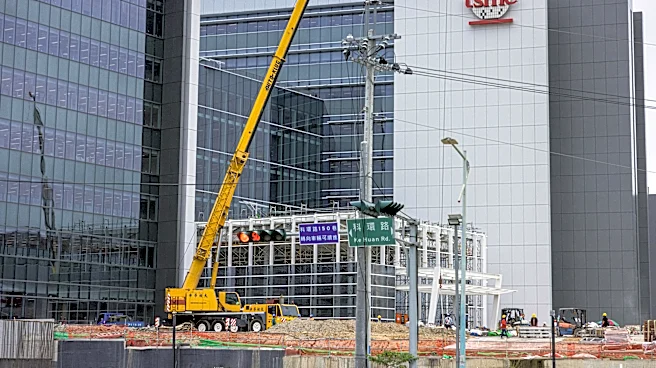
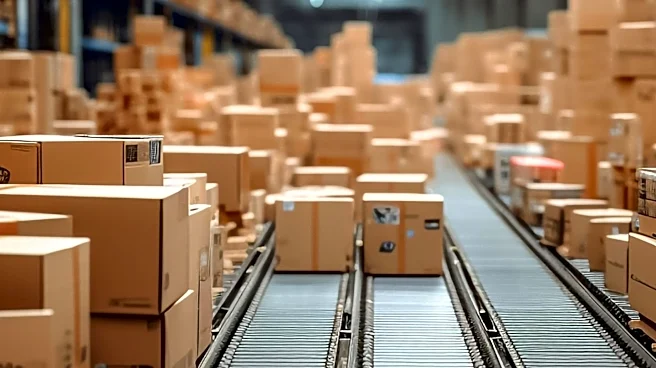
per square foot annually on a triple-net basis. Despite elevated vacancy rates and rising sublease availability, the national vacancy rate remained stable at 8.2% by the end of the second quarter. Industrial leasing activity reached 491 million square feet in the first half of the year, marking a 27% increase compared to the same period in 2025. This growth is attributed to larger space deals, particularly leases exceeding 750,000 square feet, as distributors and logistics users regain confidence. The Washington, D.C.-Maryland-Virginia market is notably tied to national security and defense manufacturing, with significant investments like Micron's semiconductor facility in Manassas, Virginia.
Why It's Important?
The resurgence in the U.S. industrial market is significant for several reasons. It indicates a recovery from the pandemic-era highs and a stabilization of the market. The increase in manufacturing investments, particularly in sectors like aerospace, defense, and pharmaceuticals, suggests a diversification of industrial demand. This shift could lead to job creation and economic growth, especially in regions like the Sun Belt and Southeast, which are seeing a surge in manufacturing jobs. The focus on defense manufacturing and AI infrastructure highlights the strategic importance of these sectors in the current economic landscape. Additionally, the stability in vacancy rates and the rise in leasing activity reflect a renewed confidence among businesses, which could have positive implications for the broader U.S. economy.
What's Next?
Looking ahead, the U.S. industrial market is likely to continue its growth trajectory, driven by ongoing investments in manufacturing and logistics. The diversification of industrial demand into sectors like AI and energy infrastructure could lead to further job creation and economic development. Regions like Southern California and the Washington, D.C.-Maryland-Virginia area are expected to remain key players in this growth, given their strategic importance in national security and advanced manufacturing. As the market stabilizes, stakeholders will likely focus on optimizing supply chain efficiencies and addressing any remaining uncertainties related to tariffs and global trade dynamics.