







What's Happening?
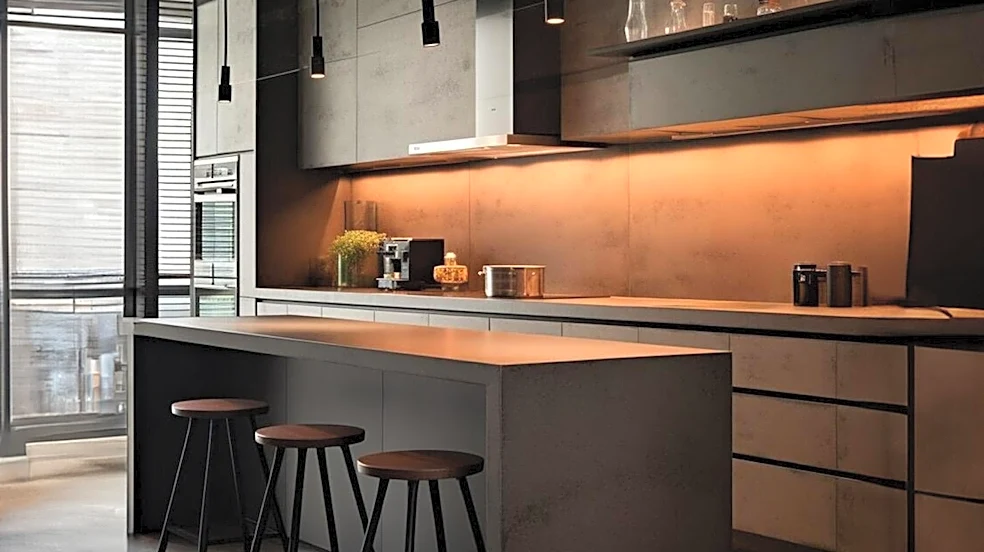
The 'three-layer lighting rule' is being highlighted as a crucial principle for designing effective and inviting kitchen lighting schemes. This rule advocates for combining ambient, task, and accent lighting to achieve a balanced, practical, and welcoming
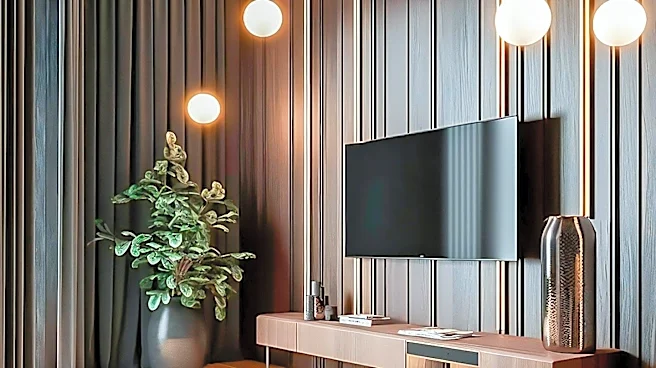
atmosphere. Ambient lighting provides overall illumination for the space, serving as the foundational light source. Task lighting offers focused illumination for specific work areas, such as countertops, islands, and food preparation zones. Accent lighting is used to highlight architectural features or decorative elements, adding depth and warmth. Experts like Massimo Buster Minale, founder and creative director at Buster + Punch, and Tom Raffield, founder of Tom Raffield, emphasize that kitchens do not need to be flooded with light but rather require carefully layered and warm lighting to feel inviting. The color of the bulb and the use of dimmer switches are also critical considerations, allowing for seamless transitions between functional cooking and relaxed dining environments.
Why It's Important?
This approach to kitchen lighting is important because it moves beyond basic illumination to create a multi-functional and aesthetically pleasing space. For homeowners, it means a kitchen that is not only practical for cooking but also comfortable and inviting for social gatherings and everyday living. For the interior design and home improvement industries, it underscores the value of thoughtful lighting design as a key component of overall home value and livability. The emphasis on layering and adjustable lighting solutions, such as dimmer switches, promotes energy efficiency by allowing users to control light intensity based on need, potentially reducing electricity consumption. This rule also highlights the psychological impact of lighting, demonstrating how different light settings can influence mood and activity within a space, making the kitchen a more versatile and enjoyable area of the home.
What's Next?
The trend towards layered and intelligent kitchen lighting is expected to continue, with further integration of smart home technology. This could include automated lighting systems that adjust based on time of day, natural light levels, or user activity, enhancing both convenience and energy efficiency. Manufacturers will likely develop more aesthetically integrated lighting fixtures that blend seamlessly with kitchen designs, offering both functionality and style. There may also be an increased focus on specialized lighting for specific kitchen tasks, such as color-rendering lights for food preparation or mood-enhancing lights for dining. The market will likely see more customizable and modular lighting solutions, allowing homeowners and designers greater flexibility in creating personalized kitchen environments that adapt to evolving needs and preferences.
Beyond the Headlines
Beyond its practical applications, the three-layer lighting rule reflects a broader cultural shift towards valuing experiential design in domestic spaces. It acknowledges that the kitchen is no longer solely a utilitarian area but a central hub for family life, entertainment, and personal expression. This approach to lighting can subtly influence social dynamics within the home, encouraging longer stays and more comfortable interactions in the kitchen. Ethically, good lighting design can contribute to well-being by reducing eye strain and creating a more pleasant environment, which is particularly important in spaces where people spend significant time. The long-term implication is a move towards more human-centric design in residential architecture, where lighting is considered a fundamental element of health, comfort, and lifestyle, rather than just an afterthought.