






What's Happening?
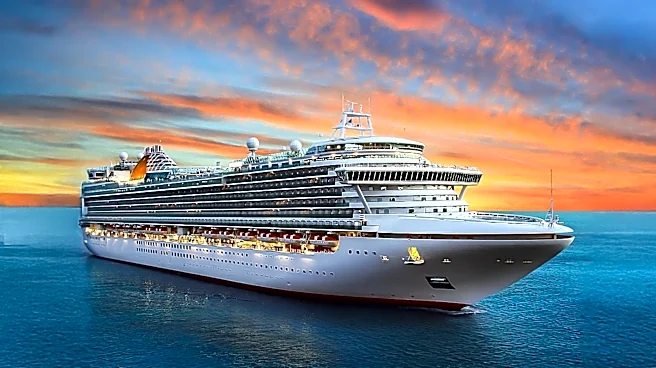
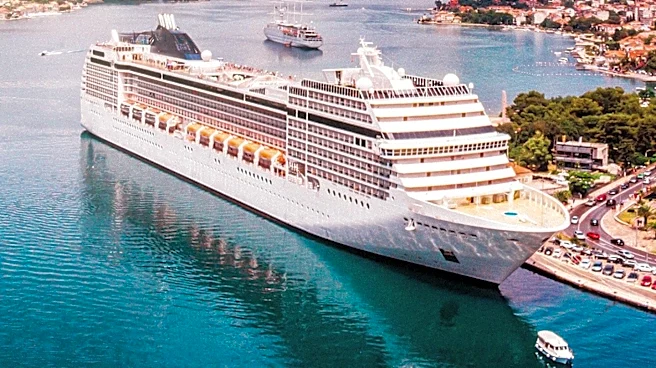
Cruise ships frequently dock at ports that are geographically distant from the major tourist attractions and cities listed on their itineraries. This is primarily due to the substantial infrastructure requirements of modern cruise vessels, which are often
described as 'floating cities.' These large ships necessitate deep water channels, extensive berths, and robust security measures, which are typically found in industrial port areas rather than in the heart of historic or popular urban centers. For instance, a cruise advertising a visit to Rome might dock in Civitavecchia, approximately 40 minutes by train or an hour by car from the city. Similarly, a trip to London could involve docking in Southampton, over an hour away by train. This logistical reality means that while cruise lines market itineraries to well-known destinations, the actual disembarkation point can be a considerable distance from the desired landmark, requiring passengers to arrange further transportation.
Why It's Important?
This discrepancy between advertised destinations and actual docking locations has significant implications for cruise passengers' travel experiences and the cruise industry's operational transparency. Travelers, especially first-time cruisers, may be unaware of the additional time, cost, and planning required to reach their intended sights. This can lead to frustration, reduced time at attractions, and unexpected expenses for transportation, whether through cruise line excursions, rental cars, or public transit. For the cruise lines, it highlights a balance between marketing attractive destinations and managing the practicalities of large ship logistics. The industry often uses major city names as a 'shorthand for a region,' which, while technically not inaccurate, can create a misleading expectation for passengers. This situation also underscores the value of smaller cruise ships and river cruises, which can often access city centers directly due to their size, offering a different travel experience.
What's Next?
Travelers booking cruises should anticipate and plan for potential distances between their port of call and desired destinations. This involves researching the specific port locations for each itinerary and understanding the available transportation options, including cruise line-offered excursions, independent travel arrangements, or third-party tour groups. Cruise lines may continue to refine their communication regarding port locations to manage passenger expectations more effectively. The trend towards smaller ships and river cruises, which offer closer access to city centers, might see increased popularity among travelers prioritizing convenience and direct access to attractions. Additionally, tour operators like Shore Excursions Group will likely continue to emphasize their 'return-to-ship guarantee' and curated experiences to alleviate passenger concerns about missing their vessel due to extended travel times from distant ports.
Beyond the Headlines
The practice of docking large cruise ships far from major tourist centers reflects a broader tension between the scale of modern tourism infrastructure and the preservation of historic and natural environments. As cruise ships grow in size, their environmental footprint and logistical demands increase, pushing them further from sensitive urban areas. This creates a secondary industry of transportation and tour services to bridge the gap, impacting local economies and traffic patterns around these distant ports. Ethically, it raises questions about the transparency of travel marketing and the responsibility of tour operators to fully inform consumers about the realities of their travel experience. Culturally, it shapes how tourists interact with destinations, often leading to more structured, time-constrained visits rather than spontaneous exploration, potentially altering the authenticity of the travel experience.