




What's Happening?
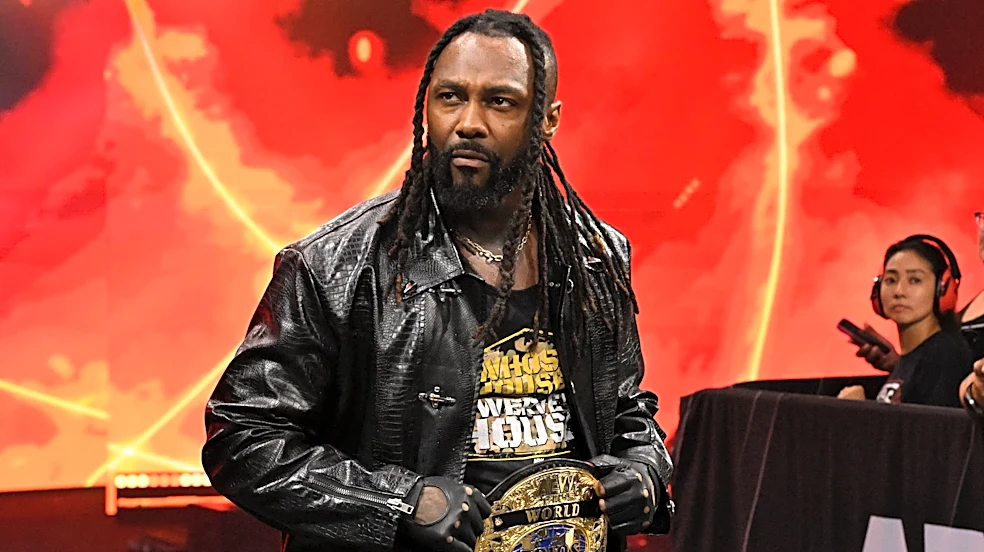
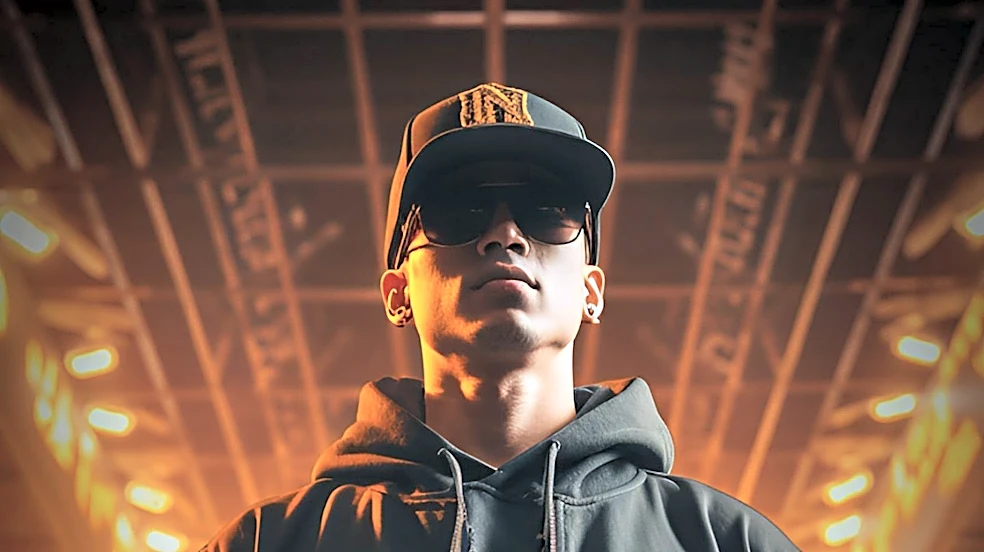
AEW (All Elite Wrestling) star Swerve Strickland is actively pursuing a career in the rap music industry, aiming to establish himself as a credible MC. Despite his significant achievements in professional wrestling, including being the first Black AEW World
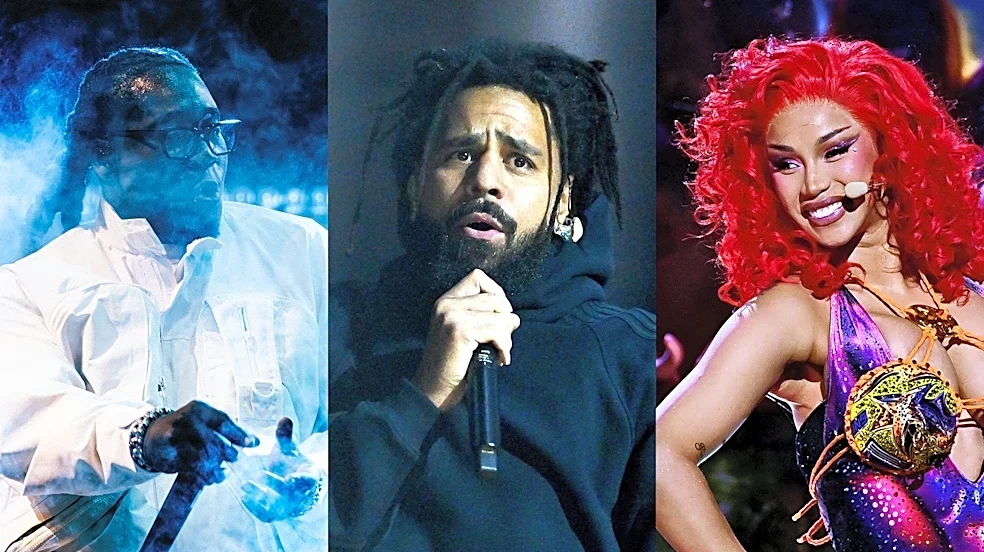
Champion, Strickland is committed to building his music career from the ground up, without solely relying on his wrestling fame. He has released several records that intentionally avoid wrestling themes, focusing instead on authentic lyrical content. Strickland has garnered co-signs from notable hip-hop artists like Raekwon and Bun B, indicating a growing recognition within the music community. He views the recording studio as a different creative outlet compared to the wrestling ring, emphasizing vocal confidence and storytelling through words, which he believes has been enhanced by his wrestling background.
Why It's Important?
Swerve Strickland's venture into the rap industry highlights a growing trend of crossover artists from professional wrestling seeking to establish themselves in other entertainment fields. This move is significant as it challenges the perception that wrestlers transitioning to music are merely leveraging their existing fame. Strickland's deliberate effort to create music independent of his wrestling persona aims to earn genuine respect and credibility within the hip-hop community. His success could pave the way for other athletes to pursue artistic endeavors, demonstrating that a strong work ethic and commitment to craft can lead to success across different domains. Furthermore, his journey underscores the increasing intersection of various cultural spheres, such as hip-hop and professional wrestling, influencing fan bases and potentially creating new avenues for artistic expression and collaboration.
What's Next?
Swerve Strickland plans to continue releasing music and collaborating with established artists, aiming for 'five-mic albums' that stand the test of time. He is focused on earning his stripes in the rap game through his lyrical ability and authentic storytelling, rather than relying on his wrestling accolades. His ongoing efforts will likely involve more studio work, potential music video releases, and live performances to further solidify his presence in the hip-hop scene. The reception of his future musical projects by critics and fans will be crucial in determining the trajectory of his rap career. His journey could also inspire discussions within both the wrestling and music industries about the potential for cross-promotional opportunities and the evolving nature of celebrity in the entertainment landscape.
Beyond the Headlines
Strickland's dual career path raises interesting questions about artistic authenticity and the challenges of breaking into new creative fields. His decision to intentionally separate his wrestling persona from his musical identity speaks to a desire for genuine artistic validation, rather than simply capitalizing on existing fame. This approach could influence how other public figures navigate similar transitions, emphasizing the importance of craft and independent merit. Moreover, his experience sheds light on the evolving relationship between different forms of entertainment, where boundaries are becoming increasingly fluid. The integration of hip-hop culture into wrestling, and vice versa, as noted by Strickland, suggests a broader cultural shift where diverse fan bases are embracing a wider range of interests, potentially leading to more interdisciplinary artistic expressions and collaborations in the future.