






What's Happening?
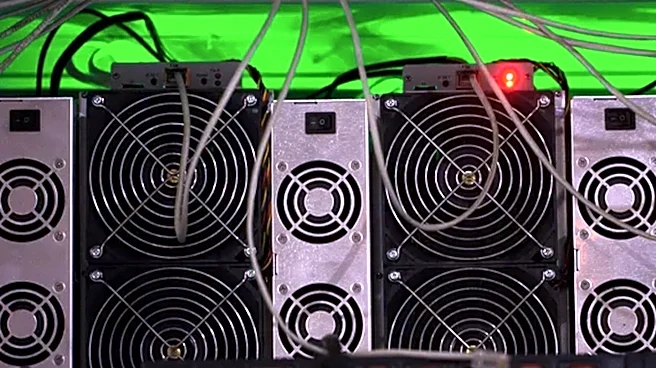
Bitmain has significantly strengthened its position in the Bitcoin mining equipment market, now holding an 82% share as of June 2024, according to a report cited by Bitcoin.com on November 21. This dominance comes as rival manufacturers are either scaling
back external sales or shifting their business focus due to worsening profitability in Bitcoin mining. Hashprice, a key measure of expected mining revenue, reached a record low in June. CoinShares reported that the average cost for listed miners to produce one Bitcoin in the second quarter was $75,500, substantially exceeding Bitcoin's average market price of $58,400 during the same period. Consequently, companies like Bitdeer have ceased large-scale external sales to focus on their own mining operations, while Bellagora AI (formerly Auradine) has pivoted to AI chip development. Canaan's third-quarter revenue from mining machine sales also saw a drastic 96% year-over-year plunge, and Proto, owned by Jack Dorsey's Block, experienced order cancellations, including a $42 million withdrawal from its largest customer, Core Scientific.
Why It's Important?
The increasing market dominance of Bitmain and the retreat of its competitors signal a significant shift in the Bitcoin mining industry's landscape. This consolidation could lead to reduced competition, potentially affecting pricing and innovation in mining hardware. For miners, fewer choices in equipment suppliers might result in higher costs or limited access to advanced technology, further impacting their profitability. The underlying cause—worsening profitability due to low hashprice and high production costs—poses a systemic challenge to the mining sector. This financial strain could lead to further industry consolidation, with smaller or less efficient miners being forced out of business. The pivot of some companies, like Bellagora AI, towards artificial intelligence chip development also highlights a broader trend of technological diversification in response to market pressures, potentially diverting resources and talent away from the core crypto mining sector. This situation underscores the volatile nature of the cryptocurrency market and its direct impact on the hardware and infrastructure supporting it.
What's Next?
The future of the Bitcoin mining equipment market will largely depend on the recovery of Bitcoin's price and the subsequent improvement in mining profitability. If market conditions do not improve, more manufacturers may follow Bitdeer and Bellagora AI in reducing external sales or shifting their business models. This could further entrench Bitmain's dominance, potentially leading to a less competitive and more centralized mining hardware ecosystem. The decision of companies like Bitdeer to resume external sales will hinge on market conditions, production capacity, and business priorities, as stated by Leo Li, Bitdeer's head of U.S. sales. The ongoing challenges could also spur innovation in mining technology, as companies strive for greater efficiency to remain profitable in a difficult market. The long-term implications for the decentralization and resilience of the Bitcoin network will be a key area of observation, as a highly concentrated hardware market could introduce new vulnerabilities.
Beyond the Headlines
The current state of the Bitcoin mining equipment market reflects deeper economic and technological trends within the cryptocurrency space. The struggle of manufacturers to sell equipment and the pivot towards AI chip development by some highlight the intense competition for resources and talent in the broader tech industry. This situation also brings to light the significant capital expenditure required for mining operations and the sensitivity of these investments to market fluctuations. The environmental impact of Bitcoin mining, particularly its energy consumption, could also become a more pressing issue as profitability declines, pushing miners to seek out cheaper, potentially renewable, energy sources to maintain viability. Furthermore, the increasing centralization of hardware supply could raise concerns among proponents of decentralized cryptocurrencies, prompting discussions about alternative mining mechanisms or hardware designs to mitigate risks associated with single points of failure or control.