







What's Happening?
The U.S. plant-based meat market is experiencing significant growth, projected to reach $27.45 billion by 2035, driven by rapid technological innovations. These advancements are reshaping the development, production, and consumption of plant-based proteins,
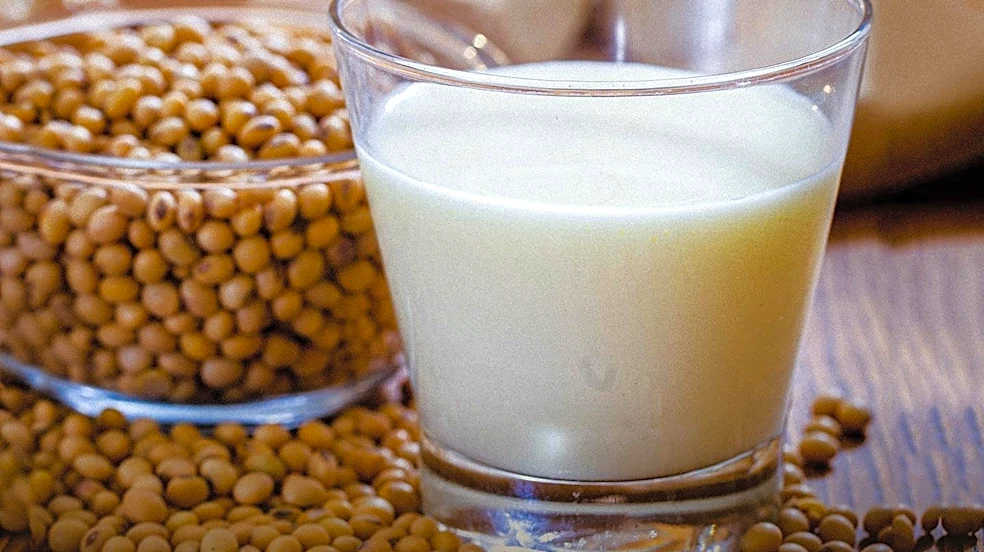
leading to increased consumer acceptance. Key drivers include improved protein extraction methods, such as aqueous extraction, enzyme-assisted extraction, and fermentation, which enhance the efficiency and quality of plant-based ingredients from sources like peas, soy, chickpeas, and lentils. These processes improve the texture and flavor profiles of plant meat products. Additionally, advancements in extrusion technology are creating meat-like textures that mimic animal meat's fibrous structure, further boosting consumer appeal. The market's expansion is also influenced by the integration of cellular agriculture and cultivated technologies, which, while primarily associated with lab-grown meat, are inspiring innovations in plant-based products to develop more sophisticated textures and flavors. Companies are exploring hybrid products combining plant proteins with cultivated ingredients to offer a more authentic meat experience, expanding product portfolios and meeting the demand for sustainable and ethical protein sources.
Why It's Important?
The growth in the U.S. plant-based meat market signifies a major shift in consumer preferences and food production. This trend is important for several reasons: it addresses increasing consumer demand for sustainable, healthy, and ethical food options, potentially reducing the environmental impact associated with traditional meat production. The technological advancements in flavor chemistry and texture engineering are crucial for overcoming previous barriers to widespread adoption, making plant-based products more appealing to a broader audience, including mainstream meat-eaters. This expansion creates new opportunities for businesses in the food industry, fostering innovation and competition. Furthermore, the focus on nutrition optimization through biotechnology, including fortification with essential nutrients like vitamin B12, iron, and omega-3 fatty acids, aligns with public health goals by offering nutrient-rich alternatives. The integration of cellular agriculture technologies, even in a hybrid capacity, could accelerate the development of more advanced and authentic plant-based products, potentially disrupting traditional meat markets and influencing agricultural practices across the U.S.
What's Next?
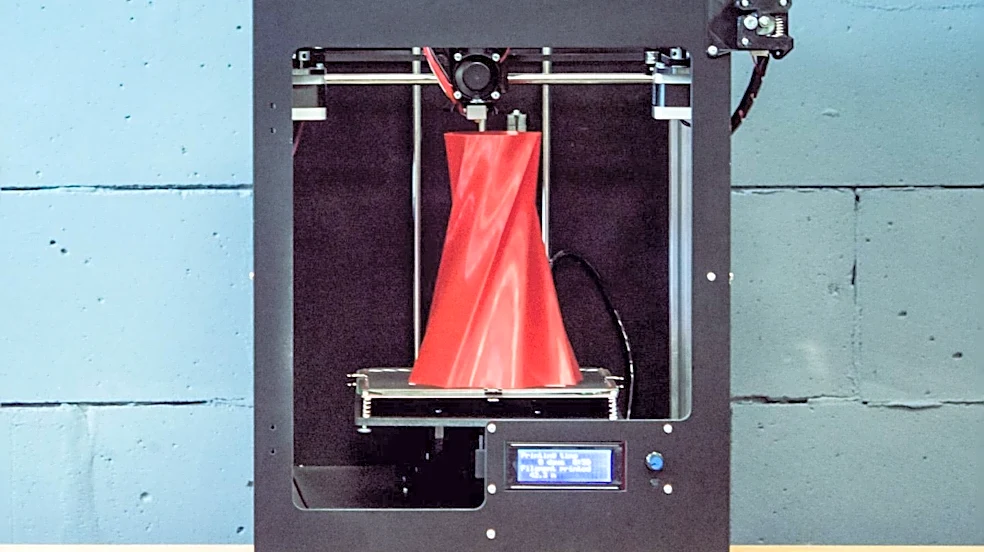
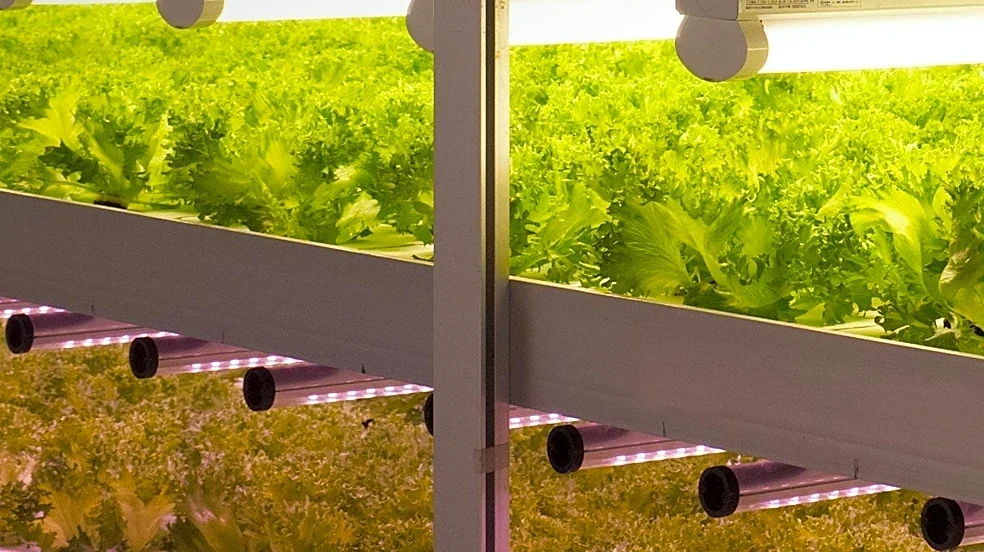
Looking ahead, the U.S. plant-based meat market is expected to see continued advancements in precision fermentation, AI-driven formulation, and hybrid product development, which will further accelerate industry growth. Companies are likely to increase investments in research and development to improve cost-efficiency, ensure regulatory compliance, and educate consumers about the benefits of plant-based proteins. Automation and digitalization in production, including smart sensors, AI-driven quality control, and robotics, will continue to streamline manufacturing processes, reduce costs, and increase scalability. Innovations in supply chain logistics, such as blockchain for traceability and IoT sensors for inventory management, will enhance transparency and reduce waste, aligning with consumer expectations for environmentally responsible products. The market will also likely see more regionally tailored products as manufacturers adapt to cultural preferences. Despite challenges like high production costs and regulatory hurdles, the ongoing technological integration will be essential for companies to capture market share and meet evolving consumer demands in this rapidly changing industry.
Beyond the Headlines
The rapid evolution of the U.S. plant-based meat market has deeper implications beyond immediate consumer trends and business growth. Ethically, the shift towards plant-based and hybrid products reflects a growing societal concern for animal welfare and the environmental footprint of food production. This movement could lead to a re-evaluation of dietary norms and cultural perceptions of meat, potentially fostering a more sustainable and compassionate food system. Legally, the increasing complexity of hybrid products, combining plant proteins with cultivated ingredients, may necessitate new regulatory frameworks to ensure product safety, labeling accuracy, and consumer trust. Culturally, the widespread adoption of plant-based alternatives could influence culinary traditions and dining experiences, leading to innovative food creations and a broader acceptance of diverse protein sources. This transformation also highlights the power of technological innovation to address global challenges like food security and climate change, positioning the U.S. at the forefront of a global food revolution.