




What's Happening?
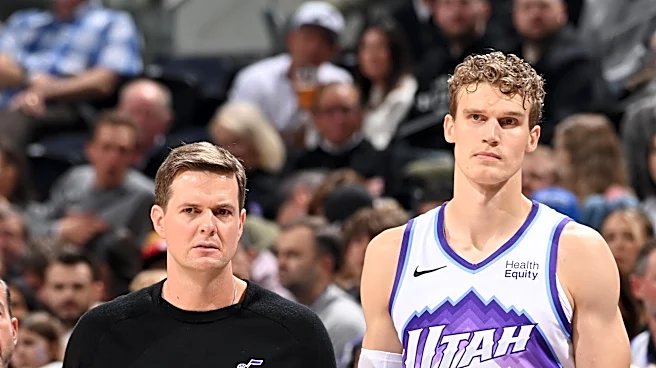
Smith Entertainment Group (SEG), the parent company of the Utah Jazz and Mammoth, has submitted new design documents to Salt Lake City for its proposed 'sports, entertainment, culture and convention district.' The plan aims to transform several downtown
blocks between the Delta Center and a redeveloped Salt Palace Convention Center. Project officials state that the vision for the new district draws inspiration from existing Salt Lake City neighborhoods, such as Main Street, Regent Street, the 2nd & 2nd District downtown, and the 9th & 9th District in East Central. The design guidelines emphasize creating an 'authentic urban character' that integrates architecture with pedestrian-oriented design to foster a vibrant and connected neighborhood experience. The goal is to incorporate the charm and sense of place found in these popular local areas, rather than replicating them, to create something entirely new and 'uniquely Salt Lake.' The company also conducted a survey to gather public input on desired local restaurants and shops for the district, receiving thousands of suggestions.
Why It's Important?
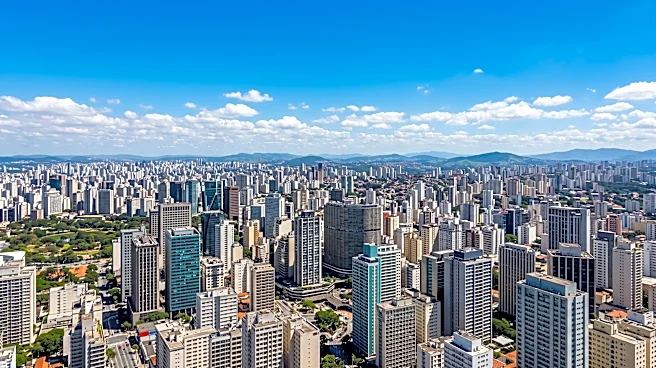
This development is significant for Salt Lake City's urban landscape and economic future. The proposed district aims to enhance downtown connectivity and vibrancy by breaking up the Salt Palace Convention Center and raising 200 West, which currently tunnels underneath it. City leaders believe these changes will remove a 'wall' that impedes downtown walkability, potentially revitalizing areas that currently lack activity. The project's focus on pedestrian-oriented design and local inspiration could create a unique destination that attracts both residents and tourists, boosting local businesses and cultural engagement. The integration of housing and businesses within the district could also contribute to a more dynamic and livable downtown core. The emphasis on local character, rather than generic urban development, suggests a commitment to preserving and enhancing Salt Lake City's distinct identity, which could foster stronger community buy-in and long-term success for the project.
What's Next?
Smith Entertainment Group is tentatively scheduled to present its plan and proposed zoning amendments to the Salt Lake City Planning Commission on December 9. Following this, the Salt Lake City Council will take up the discussion. City leaders anticipate voting on whether to accept the development agreement by the end of this year or early 2027. Public hearings will be held to gather additional feedback before any approvals are made. Discussions are ongoing regarding specific details, including building heights and ways to mitigate potential impacts on Japantown Street, where a proposed 6,000-seat music venue is planned. The company is expected to finalize its acquisition of the western end of the convention center soon, with partial demolition of the building slated to begin in February or March. The full project, including overhauls to county properties, is projected to take five to six years to complete.
Beyond the Headlines
The project's emphasis on drawing inspiration from existing local neighborhoods highlights a growing trend in urban development towards creating authentic, place-based experiences rather than generic commercial zones. This approach could set a precedent for future large-scale developments in other U.S. cities, encouraging developers to integrate local character and community feedback more deeply into their designs. The focus on walkability and pedestrian-oriented design also reflects a broader societal shift towards more sustainable and human-centric urban environments, potentially reducing reliance on vehicular traffic within the downtown area. Furthermore, the extensive public engagement through surveys indicates a recognition of the importance of community involvement in shaping major urban projects, which can lead to more successful and beloved public spaces. The long-term success of this district could serve as a model for how sports and entertainment complexes can be integrated into broader urban revitalization efforts, fostering a sense of belonging and local pride.