



What's Happening?
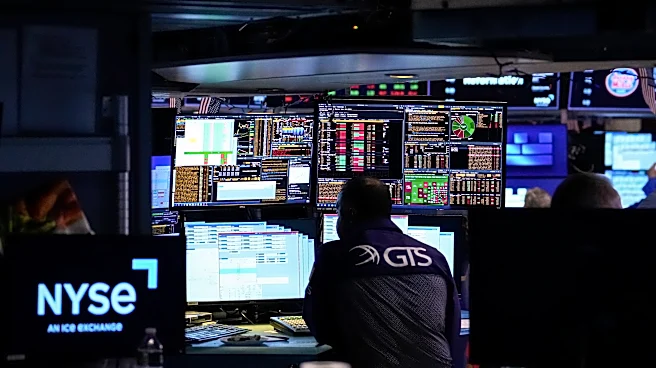
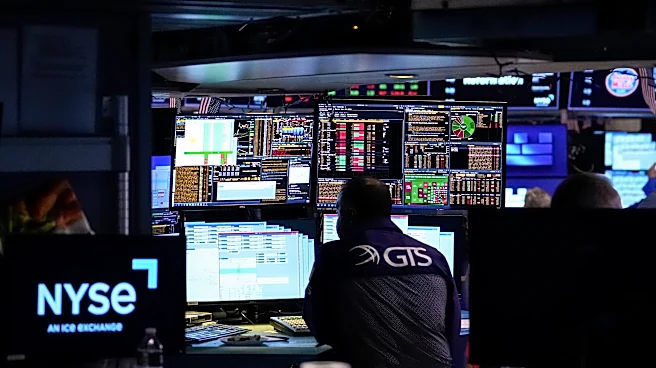
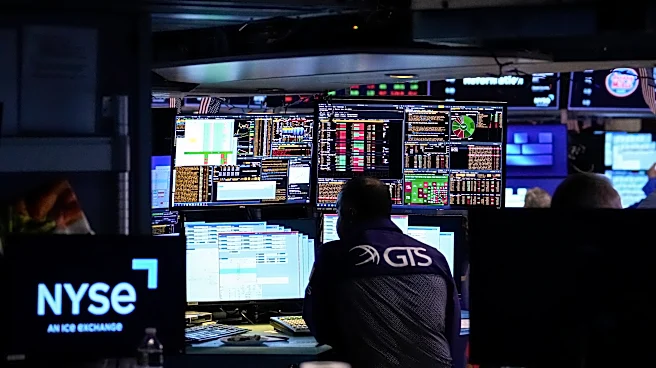
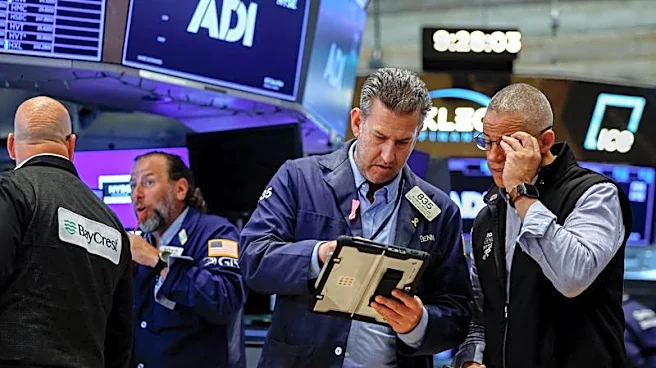
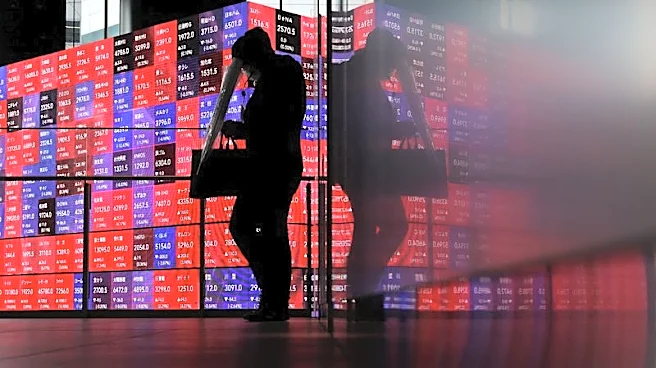
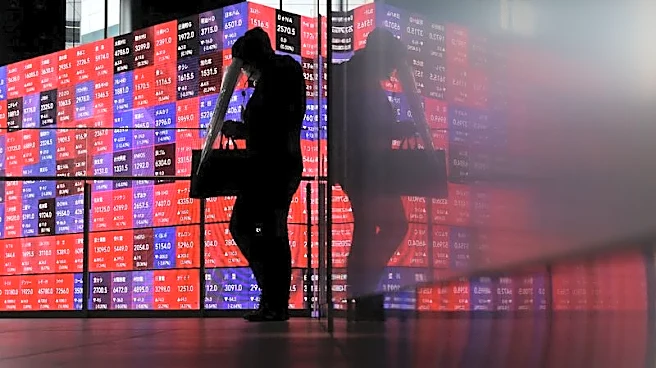
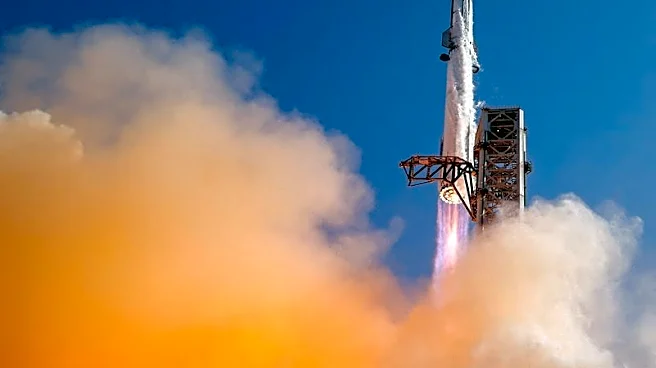
On Wednesday, major stock indexes experienced mixed results, with the Nasdaq declining due to drops in SpaceX and Advanced Micro Devices (AMD) shares. The decline in these tech stocks contributed to the Nasdaq's first drop in five sessions. Meanwhile,
U.S. oil prices eased as progress was reported in peace talks between Iran and Oman, which could potentially end the five-month conflict between Iran and the United States. The proposed deal would grant Iran control over ships entering the Gulf through the Strait of Hormuz. Despite the Nasdaq's decline, the Dow Jones Industrial Average reached a record closing high, while the S&P 500 also saw a slight decrease. The mixed performance in the stock market was influenced by recent sharp gains in tech stocks, which some analysts believe have become overbought.
Why It's Important?
The mixed performance in the stock market highlights the volatility and sensitivity of tech stocks to investor expectations and geopolitical developments. The potential peace deal between Iran and Oman could have significant implications for global oil markets, as the Strait of Hormuz is a critical chokepoint for oil transportation. A resolution to the conflict could stabilize oil prices, impacting energy costs and economic conditions globally. Additionally, the decline in tech stocks like SpaceX and AMD underscores the challenges companies face in meeting investor expectations, particularly in sectors with rapid technological advancements and high capital expenditures.
What's Next?
Investors will likely continue to monitor the progress of the Iran peace talks and their impact on oil prices. The Federal Reserve's upcoming decisions on interest rates, influenced by economic data and inflation trends, will also be closely watched. Companies in the tech sector may need to adjust their strategies to address investor concerns about sustainability and profitability, particularly in areas with high investment costs like AI and satellite technology. The broader market will be influenced by these developments, as well as ongoing geopolitical tensions and economic indicators.