




What's Happening?
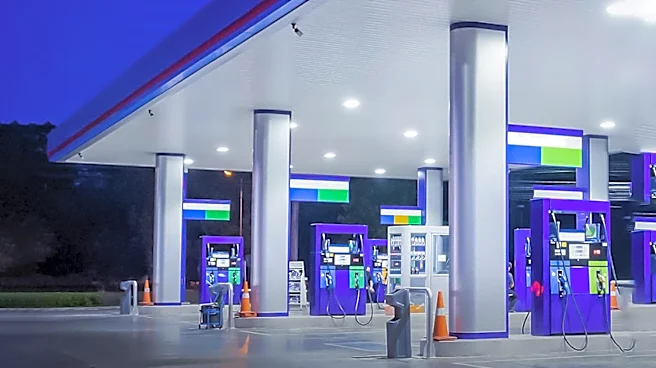
Gas stations, also known as filling or service stations, have transformed from simple fuel stops into complex industrial sites that combine retail storefronts with vehicle services. Originating in the 1930s, these establishments now require intricate
coordination between their retail and fuel infrastructure components to meet various inspections and operational standards. Construction of new gas stations, as well as major renovations and rebuilds, involves specialized processes. This includes the installation of canopies, underground fuel storage systems, and piping, alongside general site work like grading, paving, and drainage. The retail convenience store section also undergoes a full interior build-out, similar to any other commercial space, ensuring it is ready for operation concurrently with the fuel services. Companies like JAA Contractors specialize in managing these multifaceted projects, integrating all aspects from ground-up construction to environmental compliance.
Why It's Important?
The evolution of gas stations into integrated retail and service hubs reflects broader trends in consumer demand for convenience and efficiency. This shift impacts local economies by creating more comprehensive service points that attract diverse customer traffic, benefiting both fuel sales and retail operations. The complex construction requirements, particularly concerning fuel systems and environmental regulations, highlight the specialized expertise needed in this sector. This creates a niche market for contractors proficient in managing stringent code compliance and inspection sequencing, which can significantly influence project timelines and costs. For consumers, the availability of modern gas stations offering a wider range of products and services enhances daily convenience, while for businesses, it represents an opportunity to maximize revenue streams beyond just fuel sales.
What's Next?
The future of gas stations will likely involve continued integration of technology and diversified service offerings. As vehicle technology evolves, including the rise of electric vehicles, gas stations may adapt by incorporating charging stations alongside traditional fuel pumps. This will introduce new infrastructure challenges and regulatory considerations. Furthermore, the retail component is expected to become even more sophisticated, potentially including expanded food service options, package delivery points, and other amenities to cater to changing consumer lifestyles. Construction practices will need to evolve to accommodate these new technologies and services, requiring ongoing innovation in design, engineering, and environmental management to ensure compliance and operational efficiency.
Beyond the Headlines
The transformation of gas stations extends beyond mere commercial upgrades; it reflects a deeper societal shift towards integrated service models where multiple needs can be met at a single location. This trend has implications for urban planning and infrastructure development, as these sites become more critical nodes in community life. Environmentally, the stringent regulations surrounding underground fuel storage and spill containment underscore the ongoing challenges of managing hazardous materials and the importance of sustainable construction practices. Culturally, gas stations have long been iconic symbols of American road trips and mobility, and their evolution signifies a modern adaptation of this classic archetype, blending nostalgia with contemporary demands for convenience and efficiency. The miniature recreations of vintage gas stations in model train communities further illustrate their enduring cultural significance.