
What's Happening?
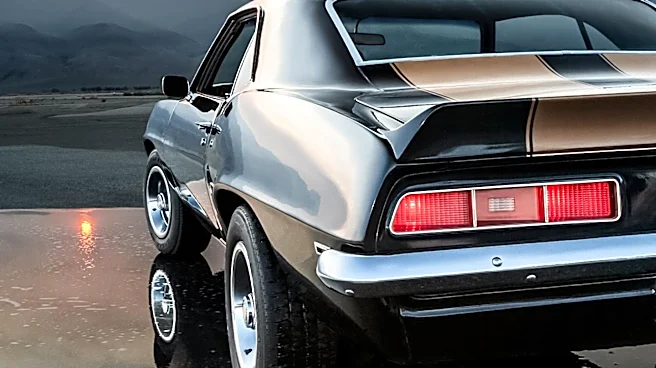
Cadense Sears of Tullahoma, Tennessee, has customized her 1979 Pontiac Firebird by installing a 355-cubic-inch small-block Chevrolet engine, departing from the traditional Pontiac V8. This engine choice
is popular among hot rodders and drag racers, typically created by boring a 350-cubic-inch Chevy V8 0.030-inch oversize. The vehicle also features a GM Turbo Hydra-Matic 400 automatic transmission (TH400), known for its strength and durability in high-performance applications. Additionally, Sears has incorporated a 1977 Trans Am front clip, a handmade cowl/Formula-style hood, modern LED lighting, Wilwood disc brakes, and Hoosier Quick Time tires, giving the car a unique blend of vintage aesthetics and contemporary performance. The interior includes aftermarket gauges, bucket seats with four-point harnesses, and a B&M Z-Gate shifter.
Why It's Important?
This customization highlights a significant trend within the American automotive hobby: the blending of different manufacturers' components to achieve personalized performance and style. While some purists may prefer factory-correct restorations, Sears' approach demonstrates the enduring appeal of hot-rodding traditions, where individual taste dictates vehicle modifications. The use of a Chevrolet engine in a Pontiac Firebird reflects the interchangeability of parts within the General Motors family and the aftermarket industry's robust support for performance enthusiasts. This practice allows owners to optimize their vehicles for specific performance goals, such as drag racing, while maintaining the classic appeal of iconic American muscle cars. The integration of modern braking and lighting technology also underscores the continuous evolution of classic car customization, enhancing both safety and performance.
What's Next?
The ongoing trend of customizing classic American muscle cars with modern components is expected to continue, driven by the availability of aftermarket parts and the desire for unique, high-performance vehicles. As technology advances, more sophisticated modifications, such as advanced engine management systems and suspension upgrades, may become common. This approach ensures the longevity and relevance of classic cars in the automotive landscape, appealing to a new generation of enthusiasts who value both heritage and cutting-edge performance. The community of hot rodders and custom car builders will likely continue to innovate, pushing the boundaries of what is possible with vintage platforms.
Beyond the Headlines
The customization of vehicles like Cadense Sears' Firebird represents more than just a hobby; it embodies a cultural phenomenon deeply rooted in American automotive history. It reflects a spirit of individuality, ingenuity, and a hands-on approach to engineering. This practice also fosters a vibrant aftermarket industry, supporting numerous businesses that design, manufacture, and distribute performance parts. Furthermore, it challenges traditional notions of brand loyalty, emphasizing performance and personal expression over strict adherence to original specifications. The blend of classic design with modern power and technology creates a unique aesthetic and driving experience, preserving automotive heritage while embracing innovation.