




What's Happening?
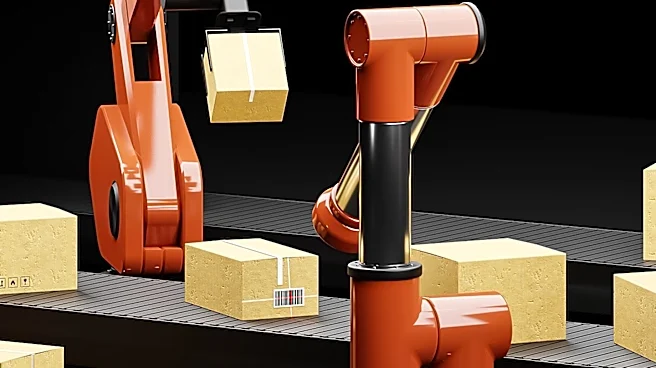
Penguin Random House Grupo Editorial (PRHGE) has significantly boosted productivity at its logistics center in Barcelona, achieving a 102% increase in order preparation. This improvement is attributed to the integration of autonomous mobile robots from
Locus Robotics. The facility's capacity has more than doubled, rising from 253 units per hour under the previous manual system to over 510 units per hour. The project commenced in June 2022 with 14 Locus Origin robots, coordinated by the LocusONE platform, initially serving 100 reference locations. The robotic fleet has since expanded to 40 units, now managing over 1.5 million units monthly across nearly 1,000 locations. This robotic solution addresses the specific demands of editorial distribution, which include a wide variety of titles, orders combining small quantities of different references, and fluctuating demand tied to new releases, promotions, and seasonal campaigns. The system combines mobile robots with other automated storage solutions to optimize operations.
Why It's Important?
This significant increase in productivity at Penguin Random House's logistics center demonstrates the transformative potential of automation and robotics within the publishing industry. For U.S. operations, this success story could serve as a blueprint for enhancing efficiency, reducing operational costs, and improving delivery times. The ability to process over 1.5 million units monthly with a 102% productivity gain means that books can reach consumers and retailers faster, potentially increasing sales and customer satisfaction. This technological adoption helps address the complex challenges of managing a vast and diverse inventory, especially with fluctuating demand. Companies that embrace similar automation can gain a competitive edge, ensuring quicker market response and more resilient supply chains, which is crucial in the fast-paced U.S. retail environment.
What's Next?
The successful implementation of mobile robots by Penguin Random House in Barcelona suggests a potential trend for broader adoption of similar automation technologies across the U.S. publishing and logistics sectors. Other major publishers and distribution centers may look to replicate these efficiency gains, leading to increased investment in robotics and AI-driven logistics solutions. This could result in a more streamlined and cost-effective supply chain for books and other media products in the U.S. Furthermore, the continuous improvement and expansion of such systems could lead to further innovations in inventory management and order fulfillment. The experience of PRHGE in seamlessly transferring its robotic fleet during a facility relocation also highlights the adaptability and scalability of these modern logistics solutions, paving the way for more flexible and robust distribution networks.
Beyond the Headlines
The integration of autonomous mobile robots in the publishing industry, as demonstrated by Penguin Random House, signifies a broader shift towards advanced automation in traditionally labor-intensive sectors. This development raises important questions about the future of work, particularly concerning the roles of human labor in logistics and warehousing. While automation boosts efficiency, it also necessitates a re-evaluation of workforce skills and potential job displacement. On the other hand, it can create new opportunities in robot maintenance, programming, and system management. Ethically, the deployment of such technology prompts discussions about equitable transitions for workers and the societal responsibility of companies to invest in retraining and upskilling programs. This technological evolution also underscores the increasing reliance on data and AI for optimizing complex operational processes, pushing industries towards a more technologically integrated future.