



What's Happening?
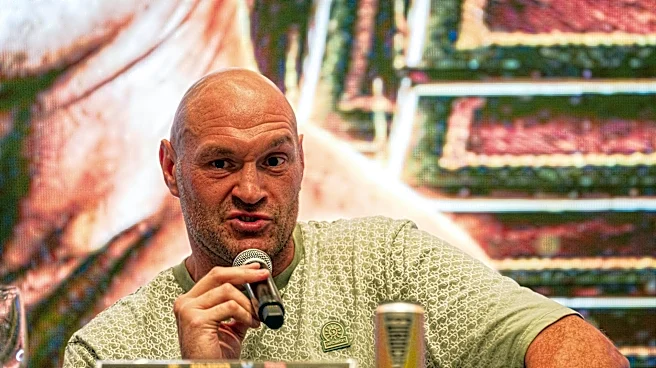
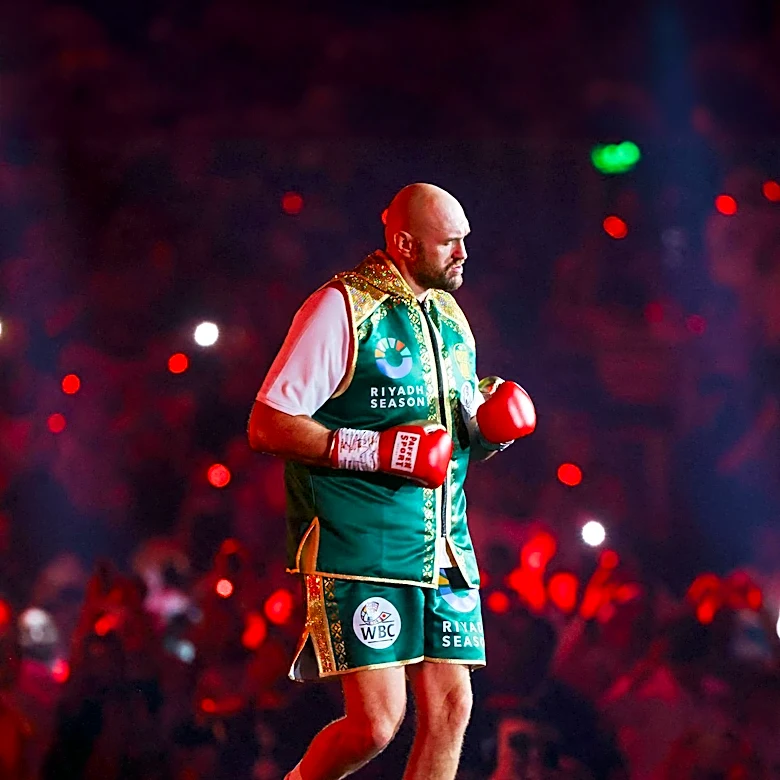
Promoter Eddie Hearn has asserted that the highly anticipated boxing match between Tyson Fury and Anthony Joshua will take place, despite recent claims from Fury that the fight was unlikely. Hearn, who represents Anthony Joshua, stated that a contract
has been signed and that neither party can withdraw from the agreement without breaching it. According to Hearn, "The fight's signed. No-one can pull out of the fight. You can't just pull out of a contract." He further emphasized to DAZN that there is "nothing to shout and scream about, the fight's done." The bout is expected to be one of the most significant events in British boxing history, with initial plans for it to occur in November. While Joshua and Hearn have signed a contract for the fight to be staged in the United Kingdom, Saudi organizers Sela are reportedly pushing for a move to the United States, with New York's Madison Square Garden being their preferred venue to cater to American audiences, as the fight will be broadcast on Netflix. Hearn indicated that while many involved want the fight in America, his team prefers the UK, but they are open to discussing terms for a U.S. venue.
Why It's Important?
This development is crucial for the boxing world, particularly for fans and stakeholders in the United States and the United Kingdom. The confirmation from Eddie Hearn, a prominent figure in boxing promotion, provides a degree of certainty for a fight that has been subject to considerable speculation and doubt. A potential breach of contract by either fighter would have significant financial and reputational repercussions, impacting their careers and the sport's integrity. The location dispute between the UK and the U.S. highlights the global commercial interests involved in major boxing events, with organizers like Sela aiming to maximize viewership and revenue, especially through platforms like Netflix. The decision on the venue will influence ticket sales, broadcast rights, and the overall atmosphere of the event, directly affecting the economic impact on the chosen host city and country. For American audiences, securing the fight in the U.S. would mean easier access and a more favorable viewing schedule, potentially boosting its popularity and financial success in the region.
What's Next?
The immediate next step involves finalizing the date and venue for the Tyson Fury vs. Anthony Joshua fight. While Hearn has confirmed the contract is signed, the disagreement over the location remains a key point of negotiation. Joshua and Fury have separate contracts with Saudi organizers Sela, who favor Madison Square Garden in New York for its American audience appeal, especially given the Netflix broadcast. Hearn has publicly stated his preference for the UK but acknowledged that his team is open to discussing terms for a U.S. location if necessary. Stakeholders, including promoters, broadcasters, and the fighters' teams, will need to reach a consensus on these logistical details. Any further public statements from Tyson Fury or official announcements from Sela regarding the venue or date will be closely watched. The resolution of the venue dispute will dictate the final preparations for what is anticipated to be a monumental boxing event.
Beyond the Headlines
The ongoing negotiations and public statements surrounding the Fury-Joshua fight underscore the complex interplay of athletic ambition, commercial interests, and global media strategies in modern professional boxing. The involvement of Saudi organizers like Sela and streaming giants like Netflix signifies a broader trend of international investment and diversified distribution channels in sports. This shift moves beyond traditional pay-per-view models, aiming to capture wider global audiences and new revenue streams. The tension between staging the fight in the UK, a traditional boxing stronghold, versus the U.S., a massive market with significant financial pull, reflects the evolving landscape of sports event hosting. This scenario also highlights the power dynamics between fighters, their promoters, and external financial backers, where contractual obligations and strategic market positioning often dictate the ultimate outcome. The resolution of this dispute could set precedents for how future high-profile boxing matches are negotiated, financed, and broadcast on a global scale.