
What's Happening?
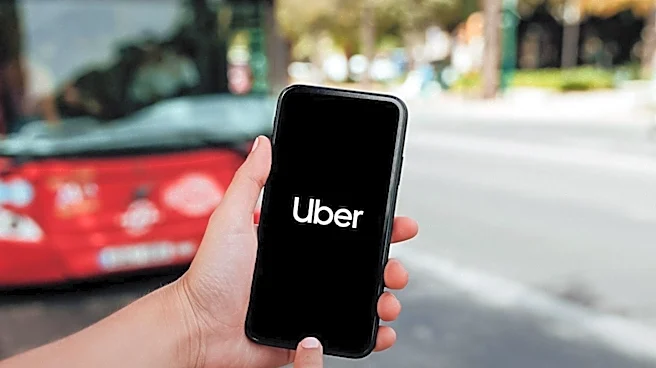
Uber is currently piloting a new service called 'Uber Kids' that allows parents and guardians to book rides for children aged 10 to 12. This service is being tested in Austin, Texas, Nashville, Tennessee,
and Madison, Wisconsin. Parents can book rides for their children through the Uber app by adding them to a 'Family hub' and selecting the child as the rider. The service operates daily from 5 a.m. to 9 p.m., provided a driver is available. Children do not need their own Uber account or app but can receive trip updates via text. Key safety features include a PIN required at pickup to start the ride, live tracking of the vehicle by the guardian, and the option for guardians to watch live video from the driver's phone. Additionally, the app records audio and video of the trip, which is encrypted and only accessed by Uber if a safety incident is reported, otherwise, it is deleted after 14 days. Drivers for Uber Kids are experienced, highly-rated, have passed background checks, and complete a specific training module for these trips.
Why It's Important?
This pilot program represents a significant expansion of Uber's services into a younger demographic, aiming to address the logistical challenges many families face in transporting children to various activities. If successful, it could create a new revenue stream for Uber and offer a convenient solution for parents, potentially shifting how families manage after-school commutes and appointments. However, the initiative also raises important safety and liability concerns, especially given Uber's history of facing lawsuits related to passenger safety. The success of Uber Kids will heavily depend on parental trust in the implemented safety measures, such as PIN verification, live tracking, and in-car recording. The service also enters a market with existing competitors like HopSkipDrive, which caters to children as young as six, indicating a growing demand for specialized child transportation services. The pilot will test whether Uber's specific safety features are sufficient to make parents comfortable with the concept.
What's Next?
The Uber Kids pilot will continue to gather data and feedback from participating families in Austin, Nashville, and Madison. The company will likely evaluate the effectiveness of its safety protocols, driver training, and overall user experience. Depending on the pilot's success and public reception, Uber may decide to expand the service to more cities or make adjustments to its features. The company will also need to navigate potential regulatory scrutiny and address ongoing concerns about child safety in ride-sharing services. As children in the pilot turn 13, they will have the option to transition to a teen account, which Uber has offered since 2023, allowing them to request their own rides linked to a parent's account. The long-term viability of Uber Kids will hinge on its ability to build and maintain trust with parents while demonstrating a robust commitment to safety.
Beyond the Headlines
The introduction of Uber Kids highlights a broader societal trend where technology-driven solutions are increasingly integrated into family logistics, transforming traditional caregiving roles. This service could further normalize the use of ride-sharing for minors, potentially altering family dynamics and children's independence. Ethically, the service raises questions about the balance between convenience and parental responsibility, as well as the extent to which technology can ensure the safety of vulnerable populations. Legally, Uber may face increased scrutiny regarding its liability in potential incidents involving minors, which could lead to new legal precedents or regulatory frameworks for child transportation services. Culturally, it reflects a growing reliance on external services for tasks traditionally handled within the family or community, signaling a shift in how modern families manage their daily lives and children's schedules.