
What's Happening?
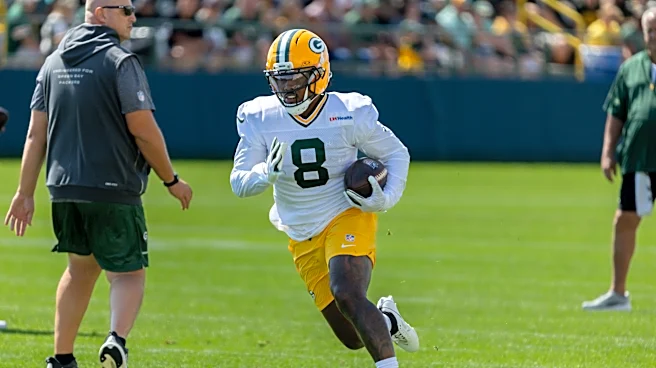
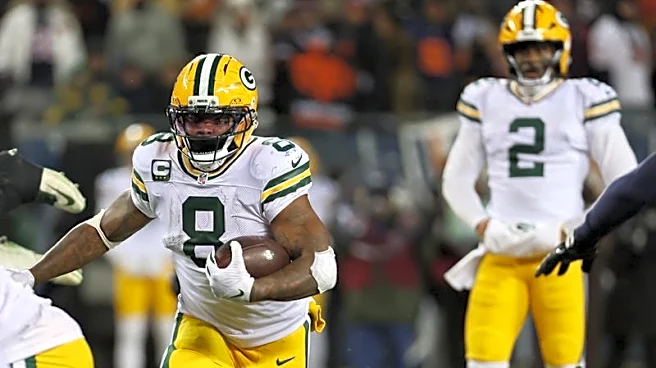
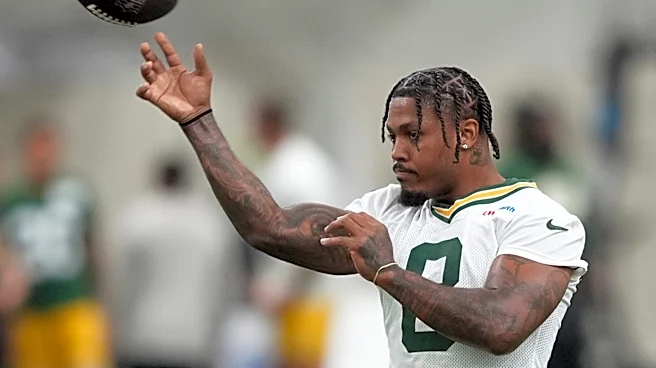
Green Bay Packers General Manager Brian Gutekunst stated on Tuesday that the organization has not yet seen the surveillance video related to running back Josh Jacobs's case. Jacobs was placed on the commissioner
exempt list on Sunday, more than three months after his arrest. He faces charges of misdemeanor battery and misdemeanor criminal damage to property. The alleged incident occurred on May 23 at his home, where a criminal complaint indicates a woman was attempting to leave Jacobs's garage when he allegedly grabbed her, threw her to the ground, causing her to strike her head and suffer an injury. The Brown County district attorney in Wisconsin reportedly confirmed that surveillance video from Jacobs's garage corroborates the alleged victim's claims. Gutekunst expressed hope that Jacobs would play this season but emphasized that the Packers are prepared for either outcome and will allow the process to unfold before making any decisions regarding his future with the team. An NFL spokesperson, Brian McCarthy, stated that the matter remains under review according to the personal conduct policy and declined to discuss details of the ongoing investigation.
Why It's Important?
This situation holds significant importance for the Green Bay Packers, as Josh Jacobs is a three-time Pro Bowl running back who signed a four-year, $48 million deal in March 2024. His absence, whether temporary or prolonged, directly impacts the team's offensive strategy and depth. While on the commissioner exempt list, Jacobs cannot practice or play, although he is permitted to participate in other team activities. The team's reliance will shift to other running backs such as MarShawn Lloyd, Chris Brooks, and Kaleb Johnson, potentially altering their performance expectations for the upcoming season. For the NFL, the case highlights the ongoing application of its personal conduct policy and the scrutiny placed on player behavior off the field. The outcome of the investigation and the availability of the surveillance video could set precedents for how similar cases are handled, influencing player contracts, team decisions, and the league's public image regarding domestic violence allegations.
What's Next?
The immediate next step involves the ongoing review of Josh Jacobs's case by the NFL under its personal conduct policy. The Green Bay Packers will continue to await the availability of the surveillance video, which General Manager Brian Gutekunst indicated would be addressed "when that time comes." The legal process regarding the misdemeanor charges will also proceed in Brown County, Wisconsin. The NFL has not yet suspended Jacobs, and any decision on his playing status or potential disciplinary action will likely follow the conclusion of the league's review and potentially the legal proceedings. The Packers have stated they will let the process play out before making any decisions, including a potential release. In the interim, the team will continue to prepare with their other running backs. The resolution of this case will determine Jacobs's future with the team and his availability for the current NFL season, impacting both his career and the Packers' competitive outlook.
Beyond the Headlines
The Josh Jacobs case extends beyond immediate team logistics, touching upon broader societal issues concerning domestic violence and accountability for public figures. The emphasis on surveillance video as corroborating evidence underscores the increasing role of technology in legal proceedings and public perception. The NFL's personal conduct policy, often a subject of debate, is once again under the spotlight, highlighting the complexities of balancing player rights, team interests, and public expectations for ethical behavior. The situation also brings to light the psychological impact on athletes facing legal challenges and the pressure on sports organizations to respond appropriately. The 'IKEA effect' mentioned in a separate context, where ownership and value are built through struggle, could be metaphorically applied to the team's potential struggle without a key player, forcing other athletes to step up and potentially develop their own sense of ownership and capability. This incident serves as a reminder of the continuous challenges faced by professional sports leagues in managing player conduct and upholding public trust.