



What's Happening?
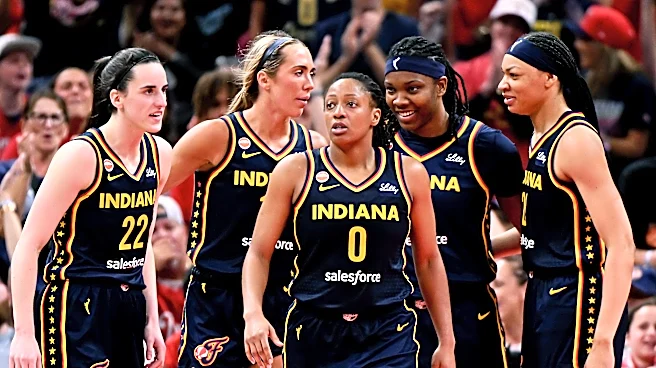
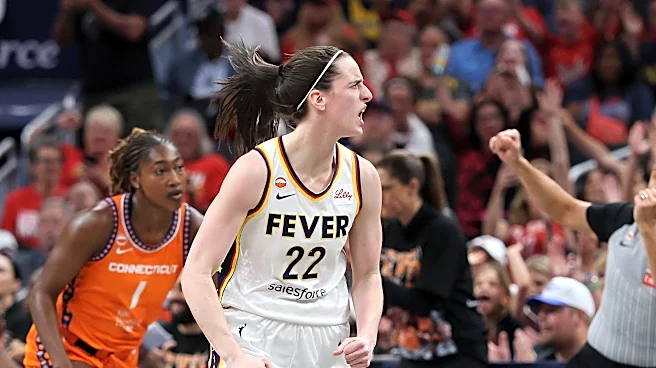
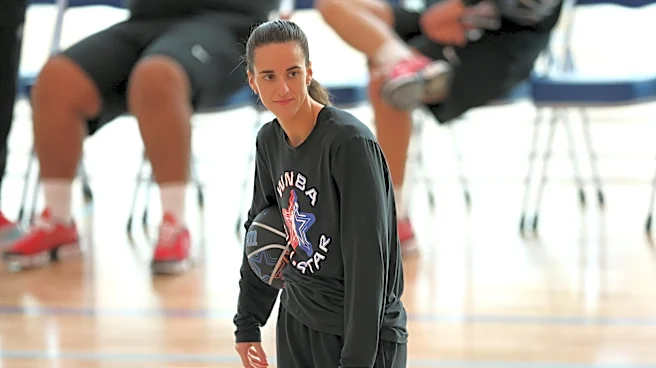
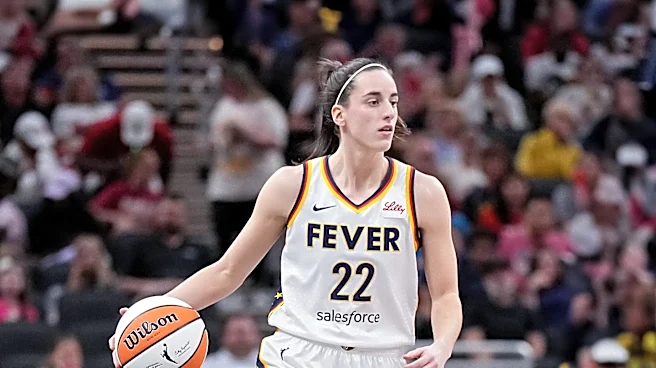
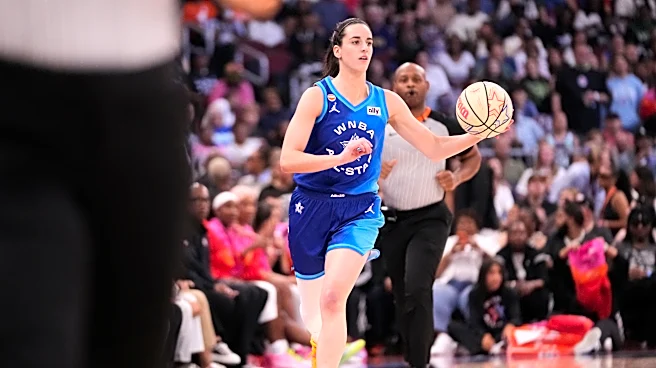
ESPN analyst Monica McNutt has publicly criticized Caitlin Clark, a prominent player for the Indiana Fever, following Clark's comments in a recent interview with ESPN's Malika Andrews. Clark expressed frustration over media narratives and the emotional
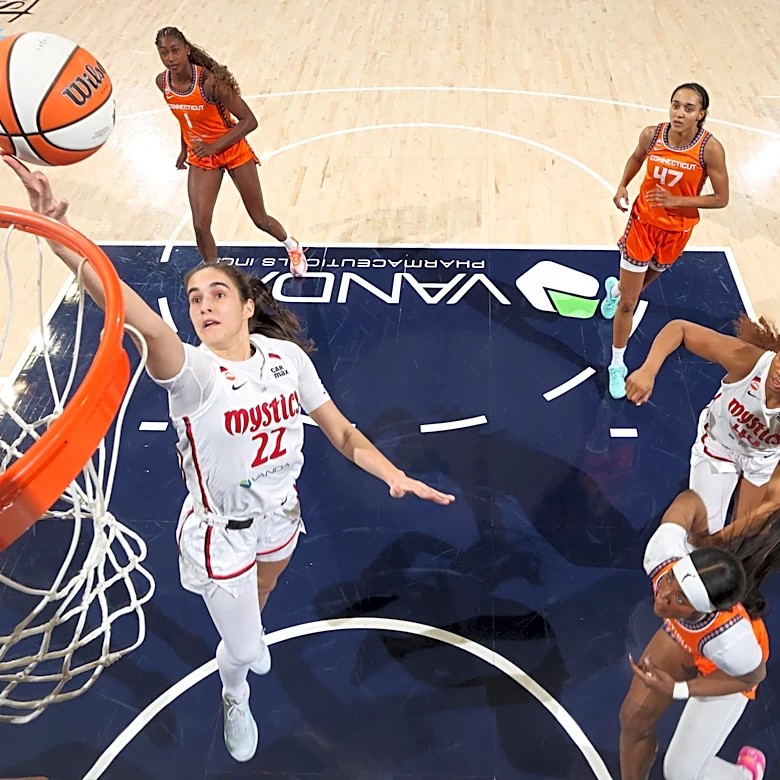
toll of being a focal point in discussions about physical play in the WNBA. She referenced an incident where Alyssa Thomas hit her in the throat during a game, which has been part of ongoing conversations about her treatment in the league. McNutt took issue with Clark's use of the word 'fearful' to describe her feelings about media coverage, suggesting that Clark needs to develop more accountability and self-awareness as she progresses in her career. This critique has sparked backlash from Clark's fans, some of whom have compared McNutt to the controversial former ESPN broadcaster Ryan Clark.
Why It's Important?
The criticism of Caitlin Clark by Monica McNutt highlights ongoing tensions within the WNBA regarding media narratives and player treatment. Clark, a rising star in the league, has become a central figure in discussions about the physicality of the game and the media's role in shaping public perception. The involvement of Congress, with 11 Republican House lawmakers writing to the WNBA commissioner about Clark's treatment, underscores the broader societal and political interest in how female athletes are portrayed and treated. This situation reflects larger issues of gender dynamics in sports, media accountability, and the pressures faced by high-profile athletes.
What's Next?
As the debate continues, it is likely that the WNBA and its stakeholders will face increased scrutiny over how they handle media narratives and player treatment. The league may need to address these concerns more directly, possibly leading to policy changes or initiatives aimed at supporting players like Clark. Additionally, the public and media response to McNutt's comments could influence how analysts and commentators approach discussions about athletes in the future. The ongoing dialogue may also prompt further involvement from lawmakers or advocacy groups seeking to ensure fair treatment and representation of female athletes.