





What's Happening?
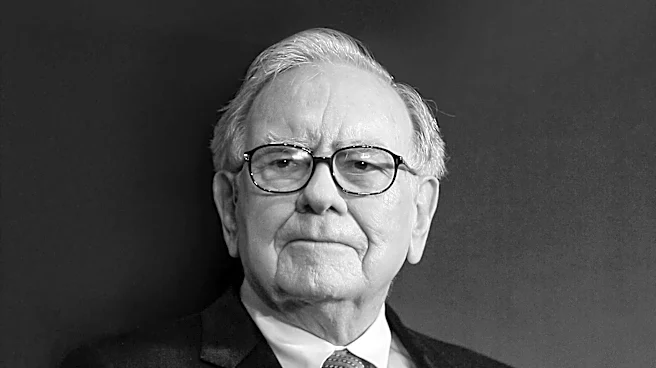
Warren Buffett, the former CEO of Berkshire Hathaway, is renowned for his stock-picking expertise, earning him the moniker 'The Oracle of Omaha.' His investment approach can be distilled into three key steps: identifying well-managed businesses, purchasing
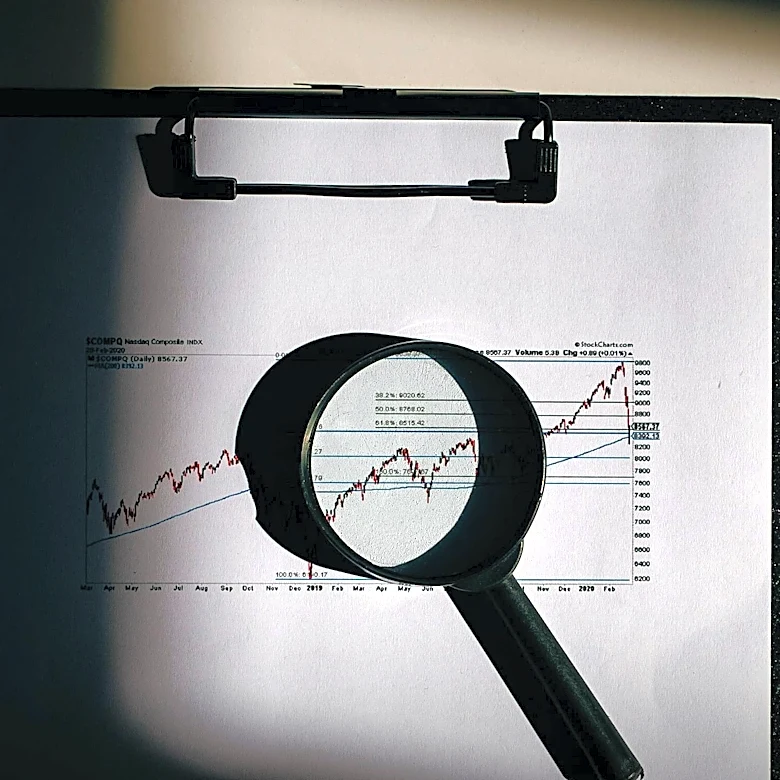
them at reasonable prices, and holding them for the long term to benefit from their growth. This advice is particularly relevant as the market currently displays valuation warning signs, with the Shiller CAPE Ratio reaching levels last observed before significant market downturns. Despite these warnings, Buffett's strategy advocates against selling out of fear during bear markets, suggesting instead that such periods can be opportunities to acquire new stocks, according to The Motley Fool.
Why It's Important?
Buffett's enduring advice to focus on long-term holding and value investing is critically important for U.S. investors, especially when market valuations are high, as indicated by the Shiller CAPE Ratio. This ratio, currently at levels seen before the Great Depression and the dot-com bust, suggests potential for a market correction. For individual investors and institutional funds in the U.S., adhering to Buffett's principles can provide a framework for navigating volatile markets, potentially mitigating losses during downturns, and capitalizing on long-term growth. His emphasis on buying well-run businesses at reasonable prices and holding them for decades encourages a disciplined approach that can lead to significant wealth accumulation, contrasting with speculative short-term trading. This philosophy can help protect retirement savings and foster financial stability for millions of Americans, influencing investment strategies across various demographics.
What's Next?
In the current market environment, characterized by elevated valuations, investors are advised to revisit Buffett's long-term holding strategy. While the Shiller CAPE Ratio signals potential risks, it does not predict the exact timing of a market downturn. Therefore, the immediate next step for investors, according to Buffett's philosophy, is to maintain a focus on the underlying quality and value of their investments rather than reacting to short-term market fluctuations. If a bear market were to materialize, Buffett's approach suggests it could be an opportune time to add to positions in well-run companies, rather than selling. This requires investors to steel their resolve and prepare to buy when others are selling, emphasizing emotional discipline over reactive decisions. The ongoing market performance will serve as a test of this long-term investment discipline.
Beyond the Headlines
Beyond the immediate financial implications, Buffett's investment philosophy delves into the psychological aspects of market participation. His 'snowball' analogy, emphasizing the power of compound interest over time, highlights the importance of patience and consistency, often overlooked in a culture that values instant gratification. The current market's high valuations, coupled with the historical context of past bubbles, underscore a recurring human tendency towards speculative behavior. Buffett's advice serves as a timeless reminder that true wealth creation is less about timing the market and more about time in the market, coupled with a deep understanding of business fundamentals. This perspective challenges the prevailing narratives of quick riches and encourages a more thoughtful, resilient approach to financial planning, which has broader societal benefits in terms of economic stability and individual financial security.