



What's Happening?
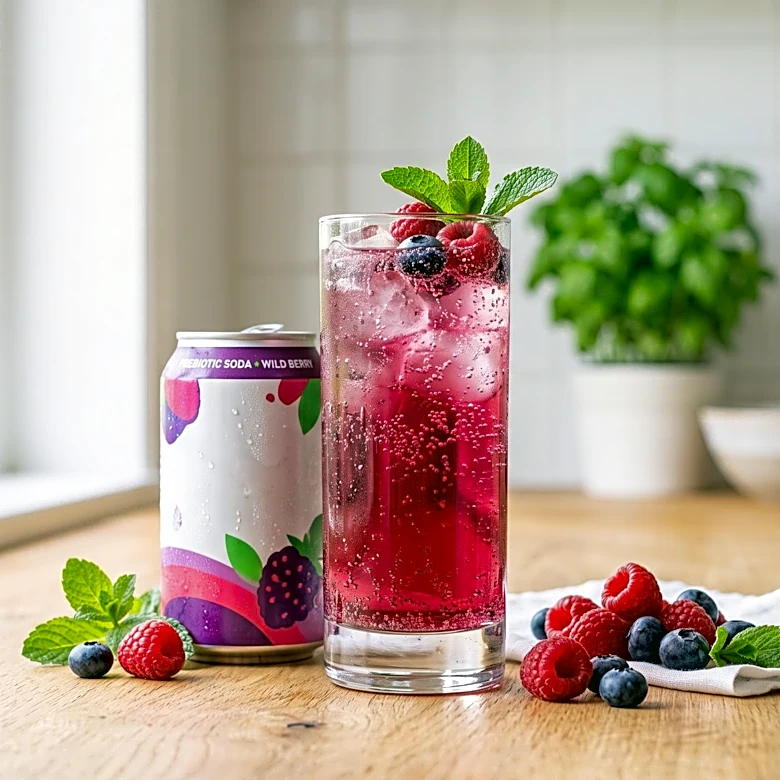
The U.S. beverage industry is experiencing a significant trend towards functional sodas, incorporating botanicals, adaptogens, and prebiotics to meet growing consumer demand for health and wellness benefits. Companies like Cove Soda and Poppi are launching
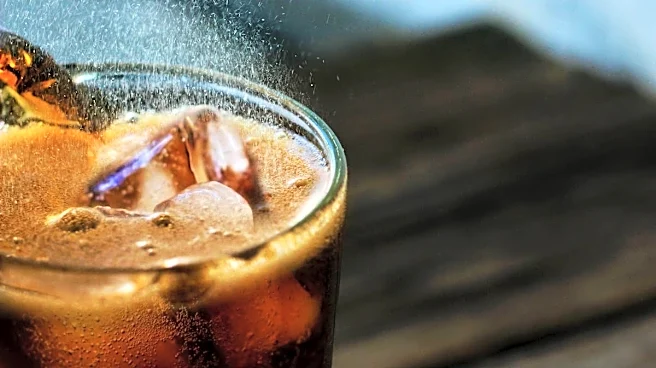
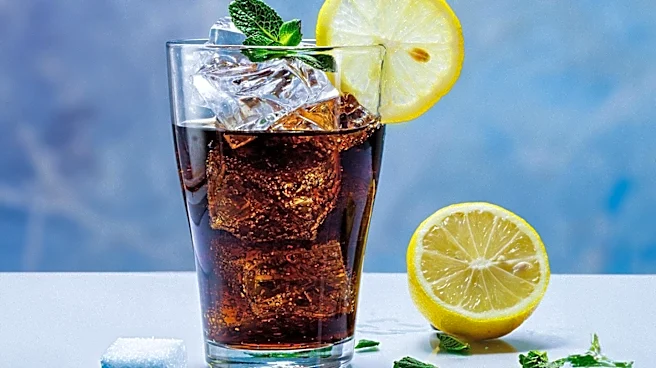
new products that offer zero-sugar options and added functional ingredients. Cove Soda, in partnership with Good Humor, has introduced a limited-edition Strawberry Shortcake Prebiotic Soda, which contains four grams of prebiotic fiber, 10 calories, and vitamin C, and is available at Target and select Hy-Vee stores. Poppi's Prebiotic Cherry Cola Soda, sold at 7-Eleven, features apple cider vinegar, prebiotics from agave inulin and cassava root fiber, and contains 5g of sugar and 35 calories or less per can. This shift reflects a broader industry movement where consumers are seeking beverages that provide more than just refreshment, focusing on benefits like gut health, mood support, and enhanced cognitive abilities. Experts from BioVivo, Nexira, and Kerry note that these ingredients are moving beyond traditional supplements into convenient, everyday formats.
Why It's Important?
This trend is important for the U.S. beverage industry as it signifies a fundamental shift in consumer preferences and product development strategies. The emphasis on health-benefit-first positioning, rather than just convenience, is driving innovation and creating new market segments. The integration of botanicals, adaptogens, and prebiotics in mainstream beverages like sodas indicates a wider acceptance and demand for functional ingredients. This impacts manufacturers, ingredient suppliers, and retailers, who must adapt to these evolving consumer expectations. Companies that successfully integrate these functional components while maintaining appealing flavors are likely to gain a competitive edge. Furthermore, the focus on ingredients like ashwagandha for stress reduction, curcumin for immunity, and various botanicals for energy and relaxation, highlights a proactive approach to wellness among consumers, particularly Gen Z and younger millennials. This also presents challenges related to formulation, taste masking, solubility, and regulatory compliance, as ingredients must be safe, effective, and palatable.
What's Next?
The beverage industry is expected to continue its trajectory towards more sophisticated and targeted formulations. Future innovations will likely focus on combining herbal extracts with nutraceuticals such as theanine, NMN, and prebiotic fibers to address specific health needs like healthy aging, enhanced cognitive abilities, and increased energy. Experts anticipate a shift from niche functionality to mainstream, everyday wellness, with formulations built around clear need states such as focus, sustained energy, relaxation, sleep, or immunity. There will be a growing interest in non-sedating mood support, cognitive performance, mental clarity, and stress resilience. Personalized nutrition is also emerging as a significant area for innovation. Manufacturers will need to overcome challenges related to taste, solubility, stability, and regulatory status of these functional ingredients to ensure product efficacy and consumer acceptance. The continued expansion of these functional beverages into various categories, including functional waters, protein drinks, and non-alcoholic mocktails, is also anticipated.
Beyond the Headlines
The rise of functional sodas and beverages with botanicals and adaptogens reflects a deeper cultural shift towards holistic wellness and preventative health in the U.S. This trend moves beyond simply avoiding unhealthy ingredients to actively seeking out products that contribute to overall well-being. It highlights a growing consumer skepticism towards traditional processed foods and drinks, favoring natural ingredients with perceived health benefits. This also raises ethical considerations regarding the scientific substantiation of health claims and the potential for 'healthwashing' if ingredients are not clinically efficacious or present in sufficient doses. The demand for transparency and credible, clinically supported benefits will likely increase, pushing manufacturers to invest more in research and development. Moreover, the integration of these ingredients into everyday items like soda could normalize their consumption, potentially leading to broader dietary changes and a redefinition of what constitutes a 'healthy' beverage. The focus on mental health and stress reduction through beverages also points to societal pressures and the search for accessible, non-pharmaceutical solutions.