





What's Happening?
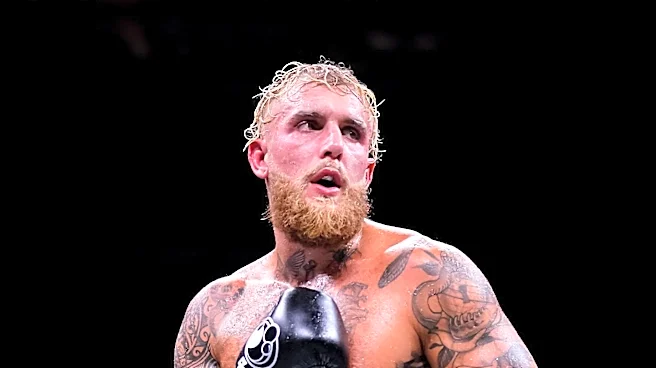
WBO featherweight champion Heather Hardy has initiated a $10 million lawsuit against Jake Paul, Most Valuable Promotions (MVP), COO Bryce Holden, and Holden Boxing. The complaint, filed on September 23 in the U.S. District Court for the Northern District of
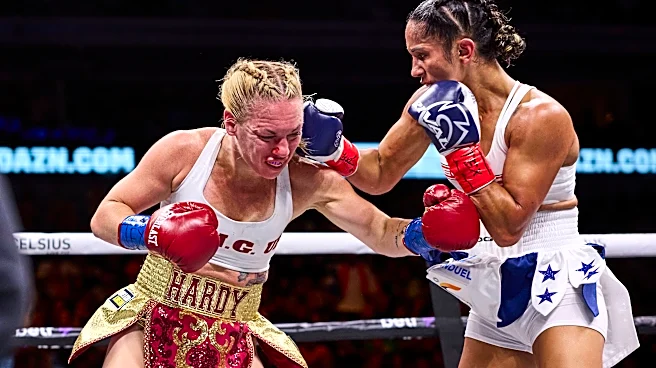
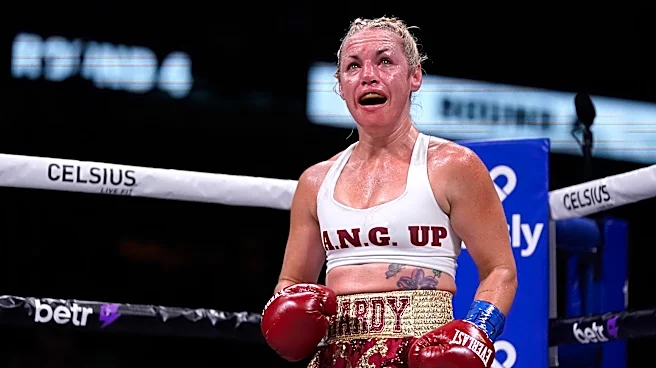
Texas, alleges negligence and violations of the Muhammad Ali Boxing Reform Act. Hardy claims that her 2023 rematch with Amanda Serrano, promoted by MVP, resulted in severe and permanent neurological injuries, including traumatic brain injury, chronic traumatic encephalopathy (CTE), post-concussion syndrome, severe recurrent major depressive disorder, psychophysiological insomnia, post-traumatic stress disorder (PTSD), and alcohol use disorder. She states that these injuries have ended her boxing career and significantly impacted her ability to concentrate, work, and coach. MVP has responded to the lawsuit, expressing sympathy for Hardy but asserting that the fight was arranged through her promoter, Lou DiBella, and that Hardy was medically cleared by the athletic commission overseeing the event. MVP maintains that the bout proceeded under the commission's authority and supervision, adhering to standard medical and safety requirements.
Why It's Important?
This lawsuit carries significant implications for the boxing industry, particularly concerning fighter safety and the responsibilities of promoters. The allegations of negligence and violations of the Muhammad Ali Boxing Reform Act highlight potential gaps or failures in protecting athletes from long-term health consequences. If Hardy's claims are substantiated, it could lead to increased scrutiny of medical clearance procedures, fight promotion practices, and the overall duty of care owed to boxers. The case could set a precedent for how neurological injuries are addressed in combat sports, potentially influencing future regulations and compensation for athletes. For Jake Paul and Most Valuable Promotions, a negative outcome could damage their reputation and financial standing, while a successful defense might reinforce existing industry practices. The lawsuit also brings to the forefront the ongoing debate about the long-term health risks associated with boxing and the need for robust safeguards for athletes.
What's Next?
The lawsuit will proceed through the U.S. District Court for the Northern District of Texas. Both parties will likely engage in discovery, exchanging evidence and witness testimonies to support their claims. Hardy will need to present medical evidence to substantiate her neurological injuries and demonstrate a direct link to the 2023 fight. MVP will likely continue to argue that all applicable protocols were followed, and Hardy was medically cleared, placing responsibility on the athletic commission and Hardy's own promoter. The court will assess whether negligence occurred and if the Muhammad Ali Boxing Reform Act was violated. The outcome could lead to a settlement, a court judgment, or potentially an appeal. Regardless of the immediate legal resolution, this case is expected to spark further discussions within the boxing community regarding fighter welfare, medical oversight, and the ethical responsibilities of promoters.
Beyond the Headlines
Beyond the immediate legal battle, this lawsuit underscores the broader ethical and societal challenges inherent in combat sports. The allegations of CTE and other severe neurological conditions raise critical questions about the long-term health and financial security of athletes in high-impact sports. It highlights the tension between the entertainment value of boxing and the potential for life-altering injuries. The case could prompt a re-evaluation of how boxing commissions and promotional companies balance commercial interests with fighter safety. Furthermore, it may contribute to a growing public awareness of the cumulative effects of head trauma in sports, potentially influencing policy changes, research funding for neurological conditions, and support systems for retired athletes. The lawsuit also touches upon the power dynamics within the sport, where fighters, especially those facing financial difficulties, might feel pressured to accept fights despite potential risks, raising questions about informed consent and athlete agency.