


What's Happening?
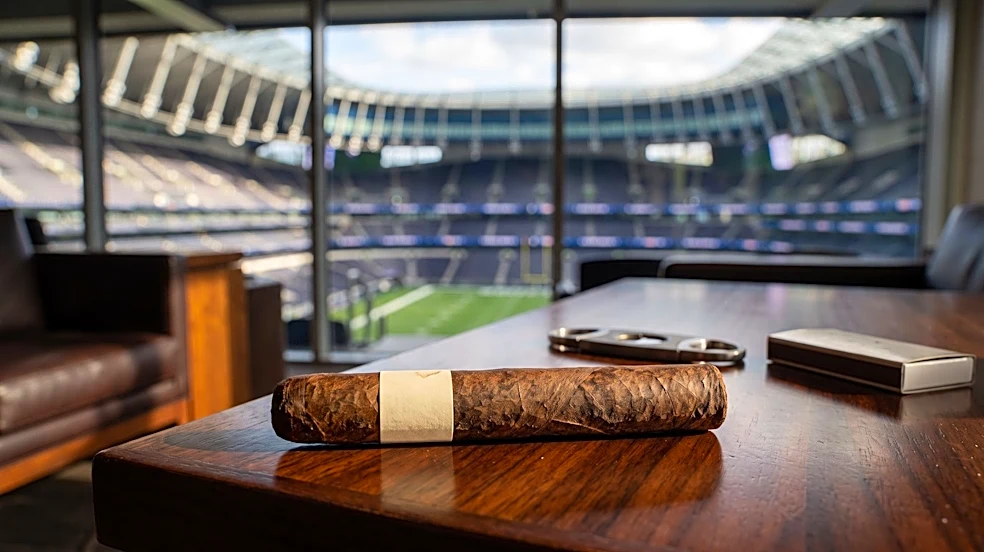
The long-standing tradition of victory cigars in the Tennessee-Alabama college football rivalry has a significant connection to Clarksville native Jim Goostree. While Alabama coach Paul "Bear" Bryant is credited with initiating the tradition, Goostree,
a University of Tennessee graduate who later joined Alabama's athletic department, played a crucial role in making it legendary. Goostree served on the football training staff and became a recognizable behind-the-scenes figure for the Crimson Tide. A popular story recounts Goostree promising to dance naked with a cigar if Alabama defeated Tennessee after a series of losses, a promise he reportedly fulfilled. After Bryant's assistant Carney Laslie, who initially handled the cigars, passed away in 1970, Goostree took over the responsibility, continuing the tradition for decades and helping it become a rivalry-wide symbol embraced by both fan bases.
Why It's Important?
This story highlights how individuals behind the scenes can profoundly influence and shape cultural traditions within sports. Jim Goostree's dedication and colorful personality helped transform a simple post-game ritual into an iconic symbol of one of college football's most intense rivalries. His role underscores the human element in sports traditions, demonstrating how personal commitments and memorable anecdotes contribute to the lore and enduring appeal of athletic contests. For fans, understanding the origins and key figures behind such traditions deepens their connection to the sport and its history. It also showcases the unique ways rivalries evolve, with practices initially associated with one team eventually being adopted and celebrated by both sides, fostering a shared cultural heritage within the competition.
What's Next?
The tradition of the victory cigar in the Tennessee-Alabama rivalry continues to thrive, with fans and players on the winning side lighting up after each game. This enduring practice, cemented in part by figures like Jim Goostree, is expected to remain a staple of the rivalry for future generations. As new players and coaches enter the programs, they inherit and perpetuate these customs, ensuring their longevity. The story of Goostree serves as a historical footnote that will likely be recounted during discussions of the rivalry's rich history, particularly in Clarksville, his hometown. The tradition's continued observance reinforces its status as a beloved and integral part of college football culture, transcending individual games to become a symbol of the rivalry itself.
Beyond the Headlines
The story of Jim Goostree and the victory cigar tradition delves into the deeper cultural fabric of college football, illustrating how rituals contribute to the identity and narrative of sports. These traditions often serve as more than just celebratory acts; they become markers of history, symbols of triumph, and elements that bind communities of fans together across generations. Goostree's story, with its blend of personal commitment and legendary antics, exemplifies how individual personalities can imbue traditions with unique character and meaning. It also reflects the informal, often unwritten, rules and customs that govern the spirit of competition, adding layers of depth and emotional resonance beyond the scoreboard. Such narratives are crucial in maintaining the rich tapestry of college sports, connecting past glories with present-day excitement.