



What's Happening?
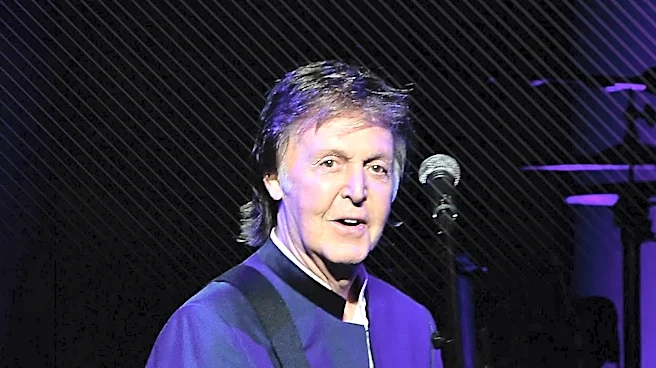
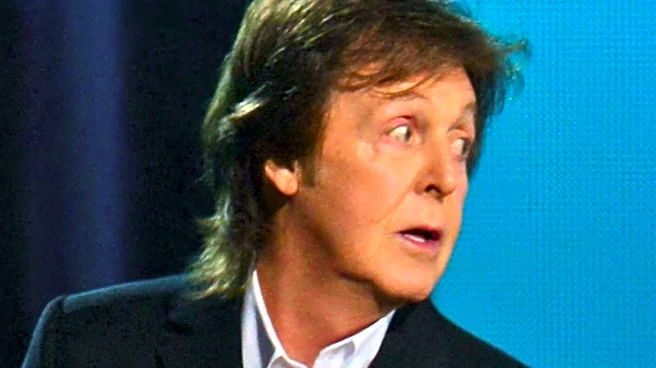
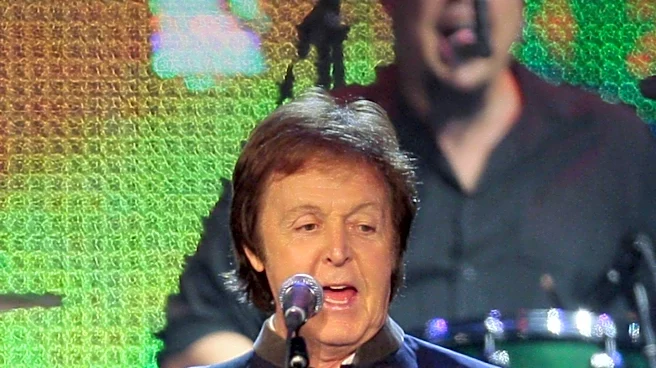
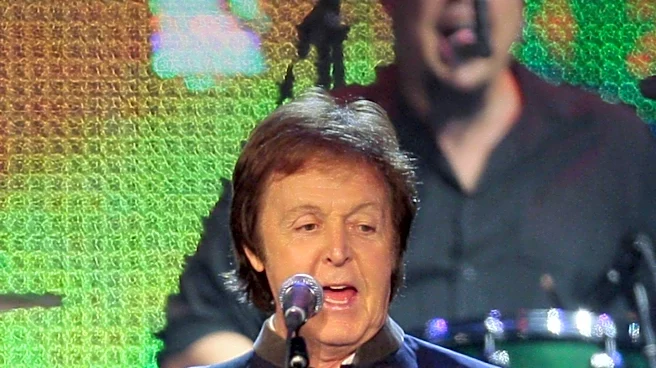
Paul McCartney, the 84-year-old former Beatle, has officially become a billionaire, with Forbes estimating his net worth at $1.4 billion. This places him as the world's third-richest musician, following Jay-Z ($2.8 billion) and Taylor Swift ($2 billion).
McCartney's wealth is primarily attributed to his extensive music catalog and publishing rights managed by MPL Communications, a company he founded in 1969. MPL Communications holds copyrights for his own songs, as well as those of other artists, including the catalog of Buddy Holly, Broadway musical scores, and popular Christmas tunes. Forbes estimates MPL Communications alone to be worth at least $250 million. Additionally, McCartney receives 25% of the earnings from Apple Corps, The Beatles' holding company, which generates over $50 million annually from streaming, vinyl sales, and merchandise. His share of The Beatles' songwriting copyrights contributes at least $10 million per year, valued at approximately $200 million. His 'Got Back Tour,' which ran from 2022 to 2025, also significantly contributed to his earnings, alongside investments in real estate in the United Kingdom and the Hamptons, and an art collection featuring works by Pablo Picasso and René Magritte.
Why It's Important?
Paul McCartney's achievement of billionaire status highlights the enduring financial power of intellectual property in the music industry, particularly for artists with extensive and historically significant catalogs. His proactive decision to establish MPL Communications in 1969 to manage his own work and acquire rights to other songs demonstrates a shrewd business acumen that has paid dividends over decades. This model of artists controlling their intellectual property has become increasingly relevant in the modern music landscape, where streaming and digital distribution have reshaped revenue streams. McCartney's continued success, even at 84, underscores the long-term value of classic music and the potential for artists to generate substantial wealth through strategic management of their creative assets. His financial standing also reflects the global appeal and lasting cultural impact of The Beatles, as earnings from Apple Corps continue to be a significant income source. This financial milestone could inspire other artists to prioritize ownership and management of their creative works to secure long-term financial stability and legacy.
What's Next?
While Paul McCartney declined to comment on Forbes' estimates, his continued financial success is likely to reinforce the importance of intellectual property rights and strategic business management within the entertainment industry. The ongoing revenue generation from MPL Communications and Apple Corps suggests a sustained income stream for McCartney, even as his touring schedule may eventually decrease. The value of his music catalog and publishing rights is expected to remain robust, given the timeless appeal of his work and the continued growth of music consumption platforms. Future developments could include further acquisitions by MPL Communications to expand its portfolio of copyrights, or potential estate planning considerations given his age. The financial success of artists like McCartney, Jay-Z, and Taylor Swift may also influence younger musicians to adopt similar strategies for wealth creation and legacy building, focusing on ownership and control over their creative output.
Beyond the Headlines
Paul McCartney's journey from a working-class background in Liverpool to billionaire status offers a compelling narrative about the intersection of artistic talent, business savvy, and the evolving economics of the music industry. His early experience with The Beatles' first record deal, which paid less than a penny per album, likely fueled his determination to gain control over his intellectual property. The establishment of MPL Communications was a pioneering move, allowing him to secure a larger share of royalties and acquire rights to thousands of songs, effectively transforming him into a music mogul. This strategic foresight not only ensured his financial independence but also preserved the legacy of numerous musical works. The story also subtly touches upon the broader economic shifts in the music industry, from physical album sales to streaming, and how artists who adapt and control their assets can thrive across different eras. His wealth is not just a personal achievement but a testament to the enduring cultural and economic power of music.