




What's Happening?
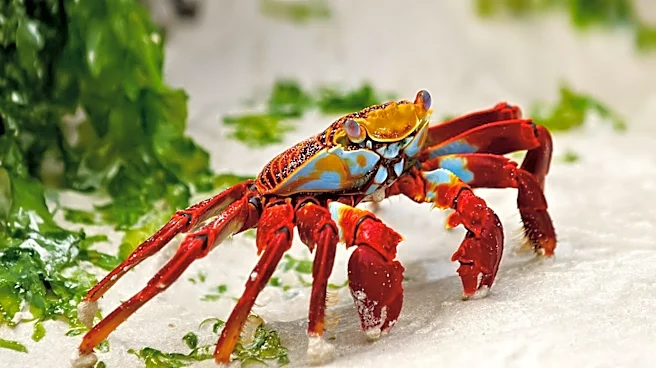
A study has evaluated the sensory properties of cooked leg meat from red king crabs (RKC) after a 3-month live holding period with feeding. The research compared freshly caught wild RKCs with those held in industrial conditions, finding only minor differences
in sensory attributes. The study suggests that live holding does not significantly alter the organoleptic quality of the crab meat, with differences likely detectable only by trained sensory assessors. The findings support live holding as a viable strategy for maintaining product quality while enabling flexible supply management.
Why It's Important?
The study's findings are significant for the seafood industry, particularly in managing supply chains and maintaining product quality. Live holding allows for better supply flexibility without compromising the sensory quality of the product, which is crucial for meeting market demands. This research could influence consumer perceptions and industry practices, as live holding becomes more common in seafood production. Understanding the sensory impact of post-capture handling can help align product quality with consumer expectations.
What's Next?
Further research is needed to confirm these findings with larger sample sizes and to explore the molecular basis of sensory variation. Future studies may also assess consumer perceptions of live holding practices and their impact on purchasing decisions. The industry could benefit from targeted biochemical analyses to better understand the factors influencing sensory quality in seafood.