







What's Happening?
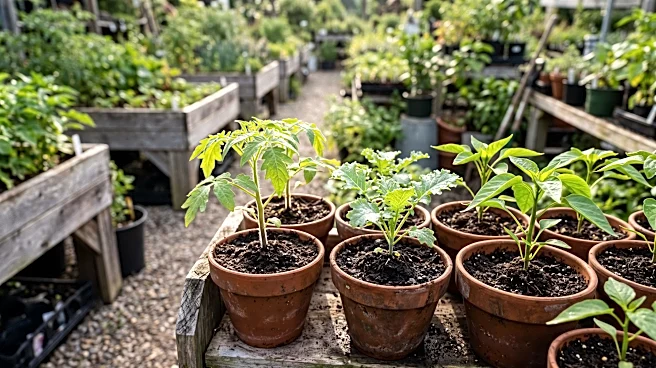
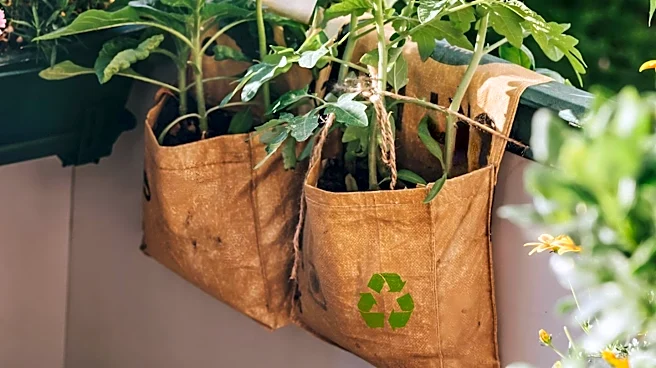
An urban garden is defined as any space within a city or town where individuals cultivate vegetables, herbs, fruit, or flowers. This can range from a pot on a balcony or a raised bed in a backyard to a rooftop garden, a sunny windowsill, or a plot within a shared
community garden. Urban gardening is the practice of growing food and plants in these urban settings. While most urban gardens primarily require sun, water, and clean soil, city regulations regarding soil quality, zoning, water usage, and selling produce can become relevant as a garden expands beyond a few containers. The U.S. Department of Agriculture’s National Agricultural Library describes urban agriculture broadly as growing, processing, and distributing agricultural products in urban and suburban areas, noting that there is no single federal definition, leaving specific regulations to individual cities.
Why It's Important?
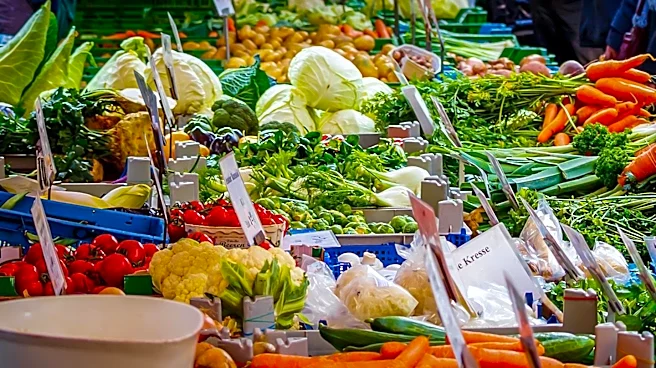
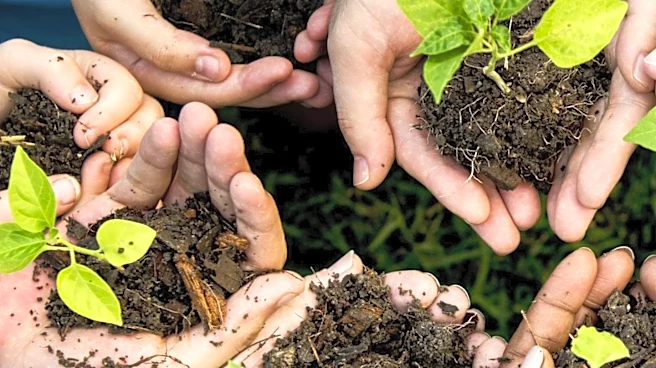
Urban gardens play a significant role in enhancing food security and promoting community well-being in U.S. cities. They provide fresh produce close to home, which is particularly beneficial in areas with limited access to grocery stores, often referred to as food deserts. This can lead to lower food costs for expensive items like herbs and salad greens. Beyond food production, urban gardens contribute to environmental health by attracting pollinators and creating green spaces, which can improve urban microclimates. Socially, community gardens foster interaction and collaboration among neighbors, serving as educational platforms for growing and nutrition. The growth of urban gardening also offers a pathway for some individuals to transition into urban farming, potentially creating small businesses and contributing to local economies.
What's Next?
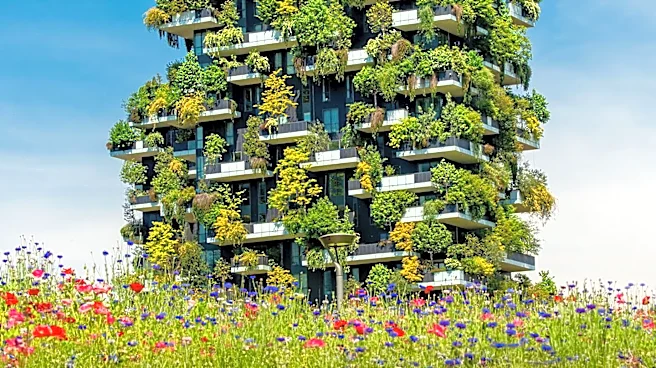
As urban populations continue to grow, the importance of urban gardens is likely to increase, leading to potential policy changes and increased support for these initiatives. Cities may develop more standardized regulations regarding soil testing, zoning for garden spaces, and guidelines for selling produce from urban plots. There could be a rise in community programs and educational resources aimed at helping residents establish and maintain urban gardens, particularly in underserved communities. Furthermore, the integration of urban gardens into broader urban planning strategies, such as green infrastructure projects, may become more common. This could involve incentives for rooftop gardens, vertical gardens, and the conversion of vacant lots into productive green spaces, further enhancing urban sustainability and resilience.
Beyond the Headlines
The concept of urban gardening extends beyond mere food production; it touches upon deeper issues of urban resilience, environmental justice, and community empowerment. Ethically, providing access to fresh, healthy food through urban gardens addresses disparities in food access and promotes healthier lifestyles, especially for low-income populations. Legally, the varying city regulations highlight the need for clearer, more consistent policies that support urban agriculture without creating undue burdens for gardeners. Culturally, urban gardens can revitalize neighborhoods, fostering a sense of place and collective responsibility. They also serve as living classrooms, reconnecting urban dwellers with nature and the origins of their food. This movement represents a shift towards more localized, sustainable food systems and a re-imagining of urban spaces as productive and communal assets.